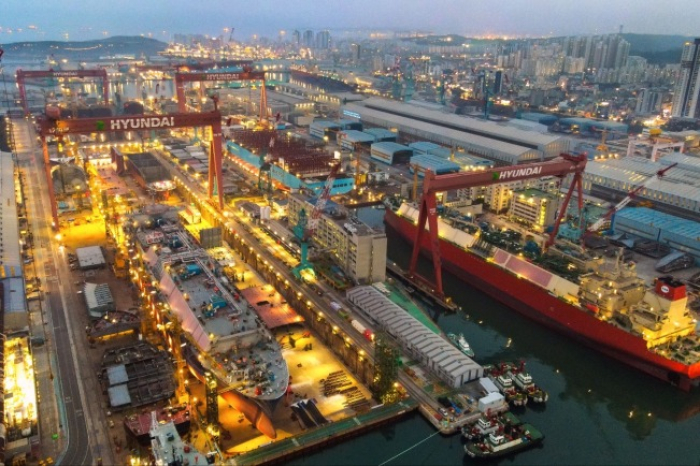
HD KSOE operating profit reached KRW1.45 trillion for July–September 2026, an annual increase of 37.3%, supported by more favourable vessel contract prices and improved productivity. Nine-month operating earnings consequently reached KRW4.45 trillion, surpassing the KRW3.9 trillion record established across 2025.
The results, announced on 28 October, also showed a quarterly slowdown. Operating earnings were 12% below April–June, while sales of KRW8.29 trillion represented an annual increase of 9.3% but a quarterly decrease of 7.2%.
HD Korea Shipbuilding & Offshore Engineering recorded a 17.5% operating margin. This was 3.6 percentage points higher than a year earlier and 0.9 points below the second-quarter level.
Management attributed the quarterly weakness to reduced working time, a stronger won and non-recurring charges associated with the wage agreement at HD Hyundai Heavy Industries. The subsidiary concluded negotiations with its union on 27 October. About 75% of the extra labour expense was booked in July–September; the balance will enter the fourth-quarter accounts.
Shipbuilding remained the largest contributor, producing KRW1.15 trillion in operating earnings from KRW6.84 trillion in sales. Its operating result improved 32.3% against the corresponding 2025 period.
Among the shipbuilders, HD Hyundai Heavy Industries earned KRW899.2 billion in operating profit, up 61.3% annually. HD Hyundai Samho delivered KRW479 billion, an increase of 56.3%, helped by LNG carriers accounting for more of its sales.
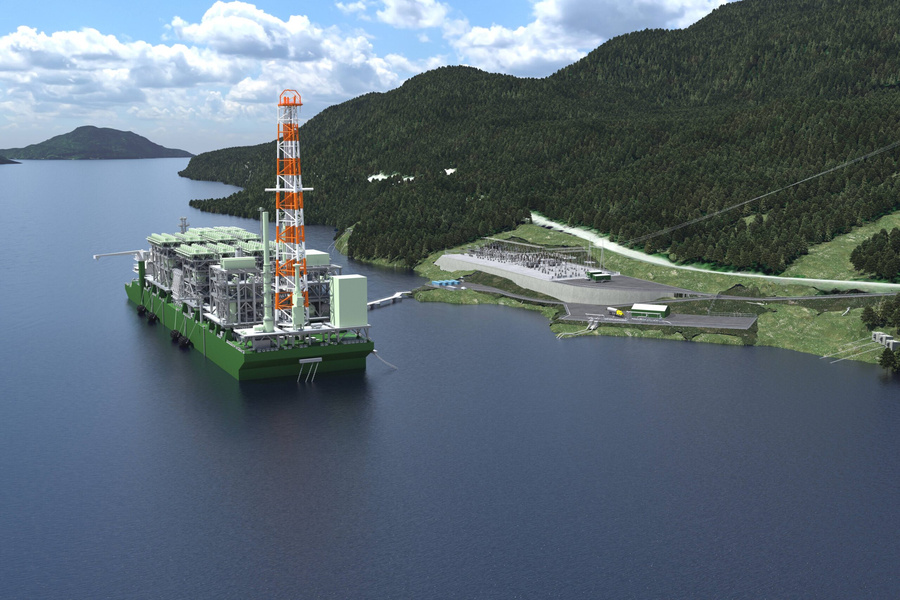
Offshore plant operations moved back into profit with an operating result of KRW126.4 billion. Work progressing on Ruya and additional contract-change revenue of KRW18 billion supported the turnaround. Management expects offshore sales to ease in the final quarter as work on Trion nears its end.
In engines and machinery, sales totalled KRW1.2 trillion and operating earnings reached KRW290.1 billion, giving the division a 24.2% margin.
HD Hyundai Marine Engine achieved its highest operating margin at 28.5%. Revenue reached KRW211.4 billion, 65% above April–June. Operating earnings were approximately KRW60 billion, almost three times the corresponding 2025 figure. Increased delivery volumes, stronger selling prices and a sales mix containing more dual-fuel engines supported the improvement.
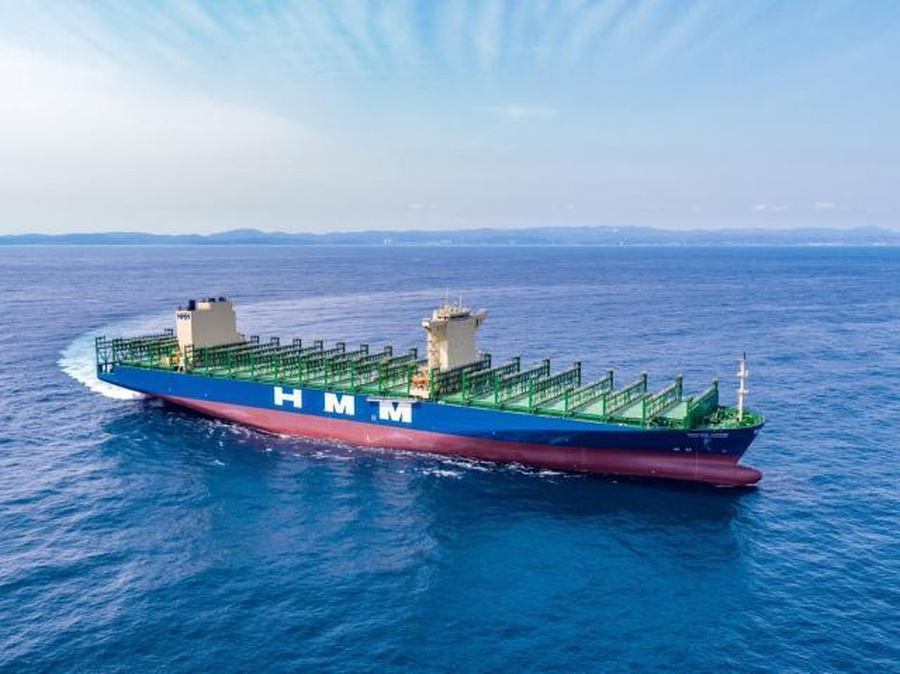
Orders accumulated through September covered 176 vessels valued at $19.1 billion, putting the group ahead of its annual contracting target.
Management expects vessel replacement programmes focused on environmental performance and increased cargo movements by sea to support fourth-quarter orders. Political uncertainty, global economic changes and the expansion of shipbuilding capacity remain variables in its outlook.
Further engine margin gains are expected despite adverse currency movements. In land-based power generation, the company said orders had filled almost all the engine capacity envisaged for 2028 and 2029. The respective production plans are 1.5 GW and 3 GW.
Net earnings moved in the opposite direction to operating profit, declining 11.4% annually to KRW777 billion. Foreign-exchange losses totalled KRW610.2 billion. Net cash at September’s close was KRW11.17 trillion.