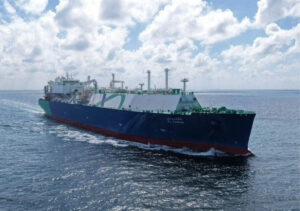
MOL names AL FANAR LNG carrier for QatarEnergy
AL FANAR is the sixth vessel in MOL’s seven-ship order from 2022. Six further carriers under long-term QatarEnergy charters will bring MOL’s participation in the fleet expansion programme to 13 vessels.

AL FANAR is the sixth vessel in MOL’s seven-ship order from 2022. Six further carriers under long-term QatarEnergy charters will bring MOL’s participation in the fleet expansion programme to 13 vessels.
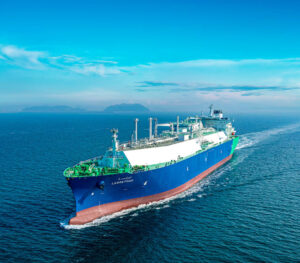
Hanwha Ocean’s $499.6 million LNG carrier contract covers two ships for delivery by November 2029. Shipping reports name Zodiac Maritime as the buyer and describe options for another pair.
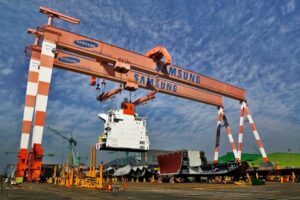
South Korea’s three major shipbuilders recorded about $130 billion in combined order backlog, while HD Hyundai Heavy Industries and Samsung Heavy Industries exceeded merchant vessel targets.
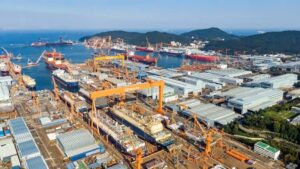
Korea and Japan are seeking to resume director-level shipbuilding talks this year as China expands its global industry presence and the two countries see a growing need for cooperation.
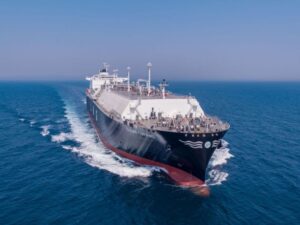
South Korea’s three largest shipbuilders are forecast to post 9.04 trillion won in annual operating profit, with LNG carriers and higher shipyard productivity supporting further gains.
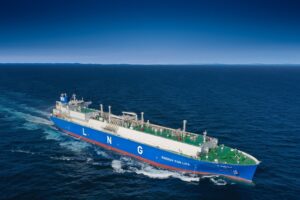
ADNOC Logistics & Services has ordered four 175,000 m³ LNG carriers from Jiangnan Shipyard for $900 million, with all four vessels scheduled for delivery in 2029.
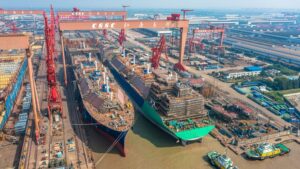
Chinese shipyards doubled new order volume in the first half of 2026, securing 1,131 vessels and about 72% of global market share, according to Clarksons.
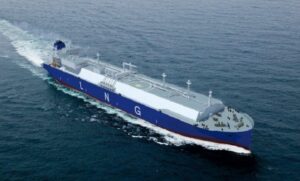
COSCO Shipping Energy Transportation, Shell and Jiangnan Shipyard have signed a construction agreement for four 175,000 cu metres LNG carriers to serve Shell under long-term charter agreements.
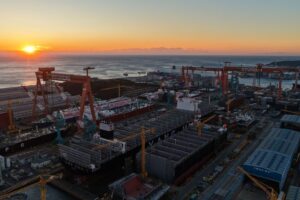
Korea’s Big Three shipbuilders are forecast to post a combined 14.5% operating margin in Q2 as LNG carriers, FLNG projects and higher-value orders lift profitability.