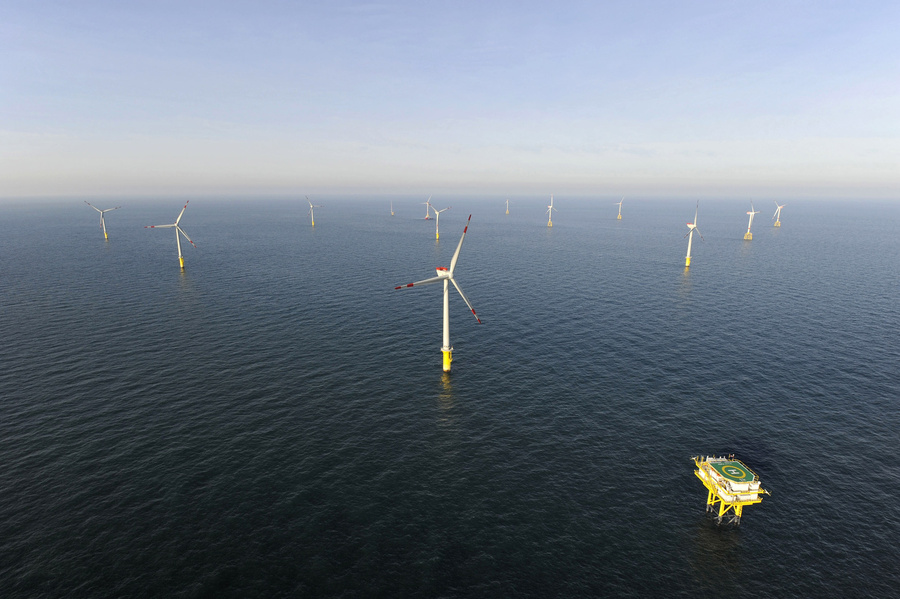

The TenneT–NKT cable study found that offshore cables can technically be decommissioned and that doing so could advance circularity and help cut CO2 emissions. Economic viability needs to be considered separately for each project.
Cable composition, the value recovered from recycling, processing expenses and conditions in local markets all influence the economics, according to Gwenn van der Schee, Sustainability Manager at TenneT Netherlands. She said these variables need to inform the approach chosen for each project.
The research covered offshore cable systems in Germany and the Netherlands. It examined working methods, logistics and regulatory obligations, together with recycling. Environmental topics within its scope included carbon assessments and biodiversity.
Van der Schee said developers should consider eventual decommissioning when they first plan infrastructure. Addressing those requirements early could help improve the sustainability of subsequent offshore developments.
Hedvig Pollak, Senior Sustainability Specialist at NKT, said the collaboration sought to expand circularity within the energy industry and develop expertise in managing offshore cables after their service life.
A trainee team from TenneT undertook the work with specialist input provided by the two partners. NKT described the research and its conclusions in an official study update.