RWE has started offshore survey work for the Awel y Môr offshore wind project in Wales after the scheme secured a Contract for Difference (CfD) in the UK government’s seventh allocation round.
The campaign is the first contract package placed since the CfD award. Geo and TGS are carrying out geotechnical and geophysical work across the project’s 78 sq km array area and export cable route.
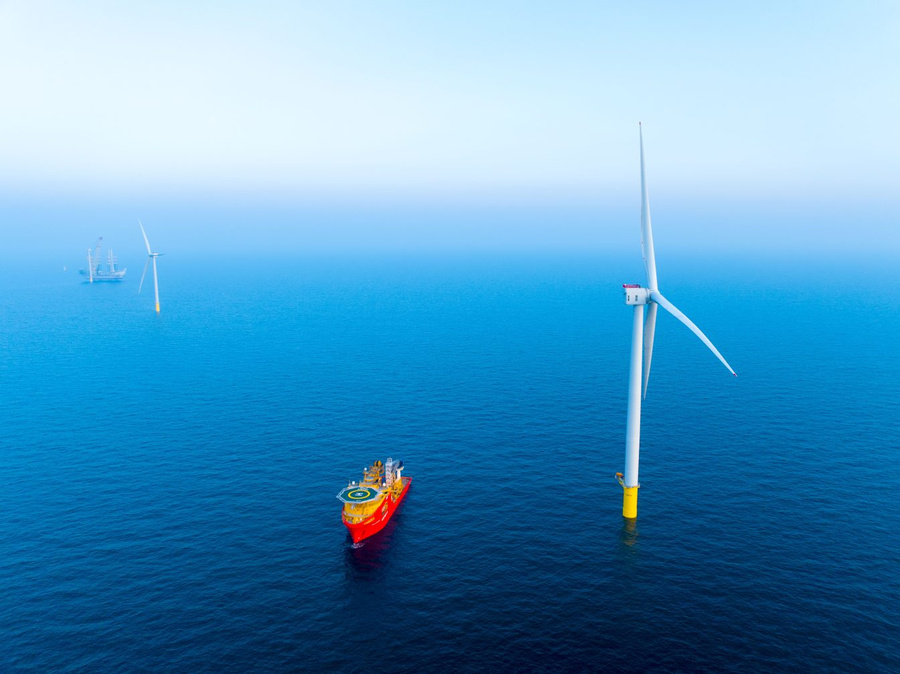
TGS is mapping seabed geology and checking for boulders and other seabed features that could affect offshore construction. Geo is carrying out cone penetration testing and vibrocore sampling to assess ground conditions, using two vessels and the newly built heavy-duty CPT rig GeoScope II in the array area.
The data will be used to refine the wind farm design and the export cable route to the landfall site between Rhyl and Prestatyn. RWE said the information will help fine-tune offshore construction methods, with offshore work currently planned to begin in 2029.
The next major step for the project is a final investment decision. Onshore construction is scheduled to start in 2027 with the onshore substation, followed by cable route construction in 2028.
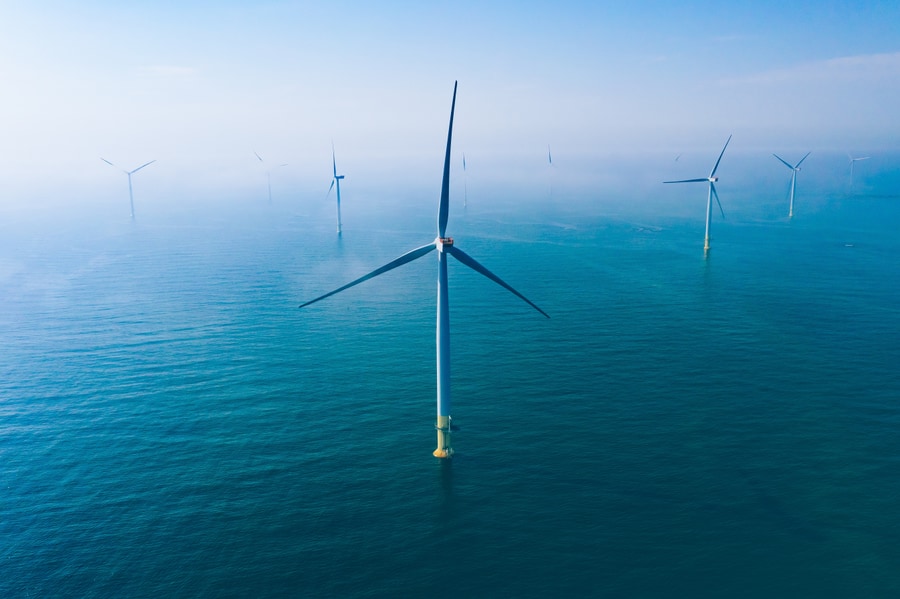
Awel y Môr is planned off the coast of North Wales, next to the existing Gwynt y Môr offshore wind farm. The project is expected to have an installed capacity of 775 MW and up to 50 turbines.
The project was among seven extension schemes awarded seabed lease agreements by The Crown Estate in 2020. The UK Secretary of State for Energy Security and Net Zero granted development consent in 2023.
In January this year, RWE secured CfDs for 6.9 GW of UK offshore wind projects in AR7, including Awel y Môr.
RWE is developing the project with Stadtwerke München, which holds 30%, and Siemens Financial Services, which holds 10%.