AAL Shipping improved its fleet-wide energy efficiency by 19% between 2023 and 2025, despite fleet growth and higher cargo volumes, according to its latest sustainability reporting.
The multipurpose and project heavy lift carrier recorded a fleet-wide Energy Efficiency Operational Indicator (EEOI) of 14.40 in 2025, compared with 17.80 in 2023. EEOI measures carbon dioxide emissions against cargo carried and distance travelled, with a lower figure indicating less CO₂ emitted per tonne of cargo transported per nautical mile.
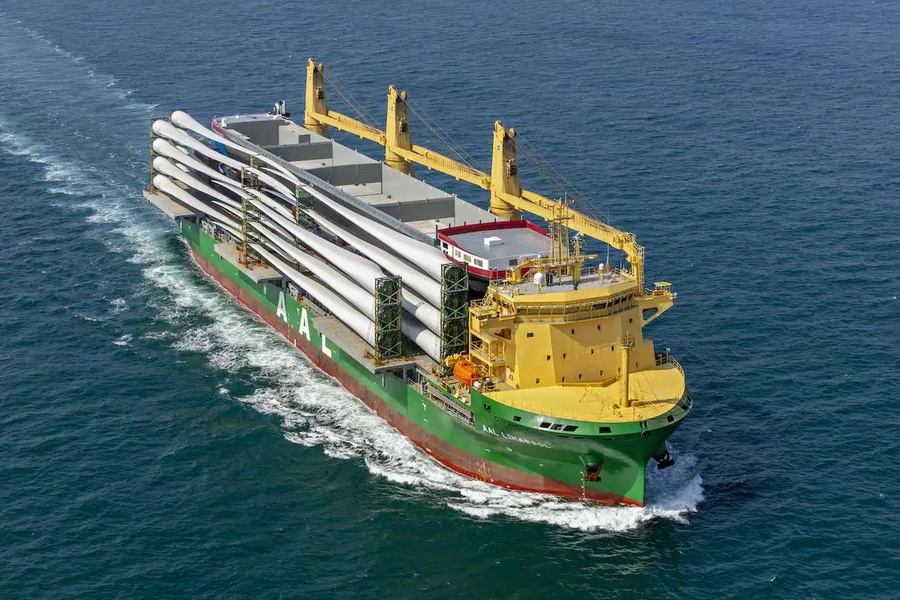
Fleet modernisation was among the factors behind the improvement. AAL Shipping has added its third-generation Super B-Class vessels to the fleet since 2024. The 32,000 dwt ships offer cargo intake of more than 90,000 FRT and a maximum lifting capacity of 800 tonnes.
The Super B-Class vessels recorded the lowest EEOI levels in the AAL Shipping fleet. Their average EEOI was 4.27 in 2024 and 4.99 in 2025.
The company has also used voyage optimisation, vessel monitoring and digital technologies as part of its efforts to improve fuel efficiency and operational decision-making.
The improvement in fleet-wide EEOI was achieved while AAL Shipping expanded its fleet and transported higher cargo volumes. The efficiency measure reflects emissions relative to transport work rather than the fleet’s total CO₂ emissions.
AAL Shipping also reported no environmental incidents between 2023 and 2025.