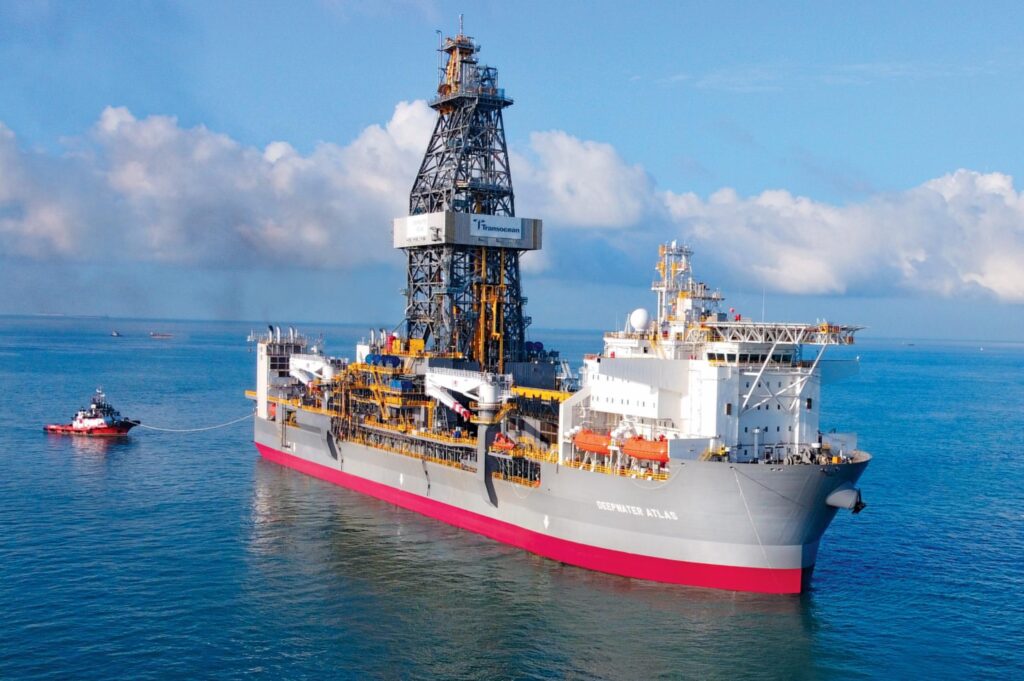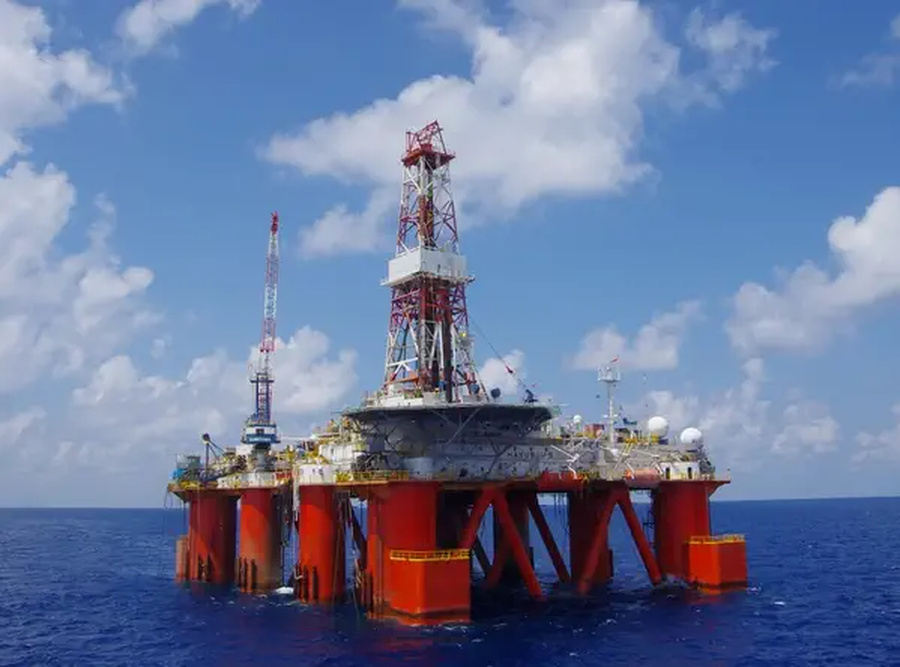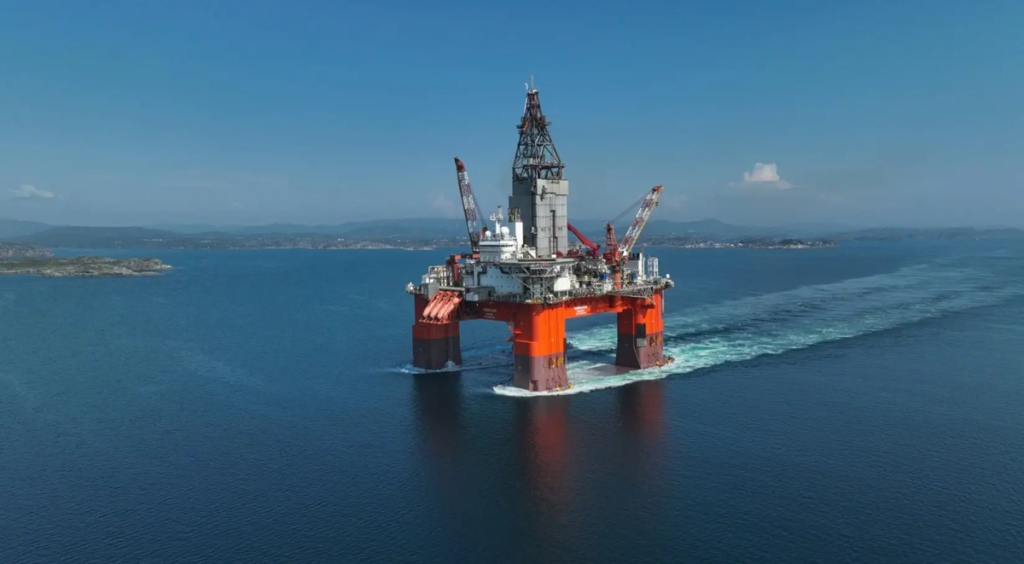
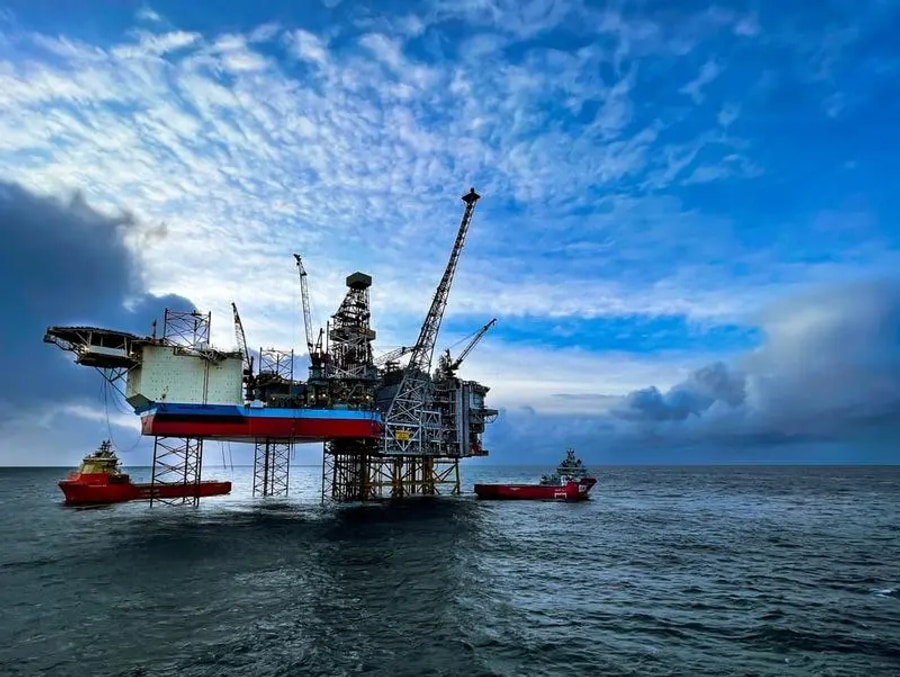
Five mobile drilling rigs, five fixed installations and one well intervention vessel have suspended drilling and well operations during the SAFE strike on the Norwegian Continental Shelf, according to Offshore Norway.
Four IMR vessels have also been affected. The industry organization said the disruption has caused delays, lower activity and planned shutdowns at several locations.
Offshore Norway estimated that the strike is costing the industry more than NOK 500m ($51.2m) per week.
The impact on operators is also increasing. Production losses are expected to reach about 120,000 barrels of oil equivalent per day by the end of week 30, the organization said.
Combined past and expected production losses for operators are estimated at 2.4m barrels of oil equivalent this year. Offshore Norway placed the value of those losses at approximately NOK 1.6bn ($164m).
The organization said SAFE is attempting to raise local issues during the central collective bargaining process. Offshore Norway maintains that central negotiations should be completed before such matters are handled at company level.
More than 400 employees who are not participating in the strike have been furloughed, according to Offshore Norway.
Elisabeth Brattebø Fenne, chief negotiator and director of labor relations at Offshore Norway, said it remains uncertain whether all of the affected employees will qualify for unemployment benefits as a result of the SAFE strike.
She said the furloughed workers have an average annual salary of nearly NOK 1m ($102,500).
Fenne also said SAFE was effectively seeking to introduce a local right to strike. She argued that this could affect the balance of the collective bargaining system beyond the current dispute.