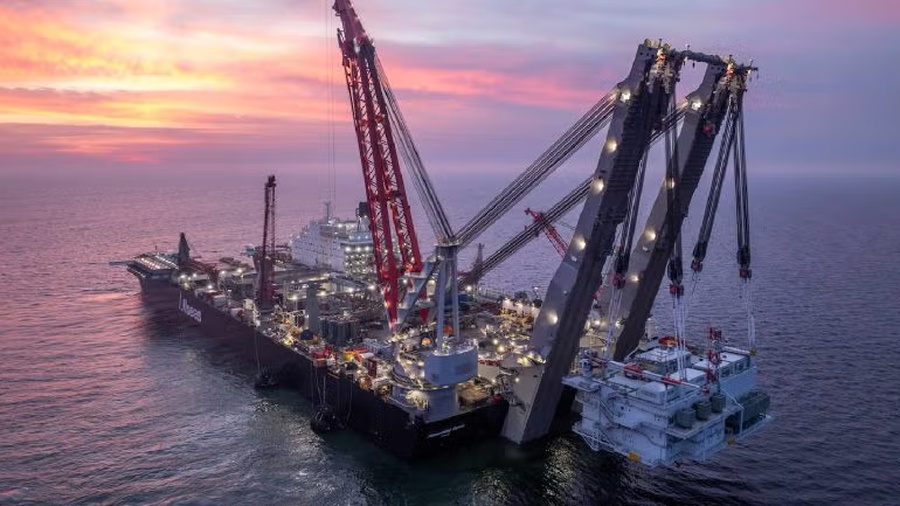
The Royal Belgian Shipowners’ Association (KBRV) has warned that the planned inclusion of offshore vessels in the EU Emissions Trading System (EU ETS) from 2027 may not match the way these vessels operate.
EU ETS coverage was introduced for maritime transport in 2024, covering emissions from commercial shipping. The next phase is due to bring offshore vessels above 5,000 tonnes into scope from 1 January 2027.
Ahead of a meeting of the European Commission’s European Sustainable Shipping Forum, KBRV said the current rules were developed around standard port-to-port shipping. It argues that offshore work follows different operating patterns and should not be assessed under the same structure without changes.
The group’s main concern is the Monitoring, Reporting and Verification (MRV) framework. Celine Audenaerdt, Head of Environmental and Technical Affairs at KBRV, said the system was designed for commercial shipping, not offshore activity.
A key issue is the use of the “port of call” concept. Offshore vessels may spend long periods working at offshore sites, rather than moving between ports in a conventional trading pattern. KBRV said this could lead to uneven treatment of similar operations.
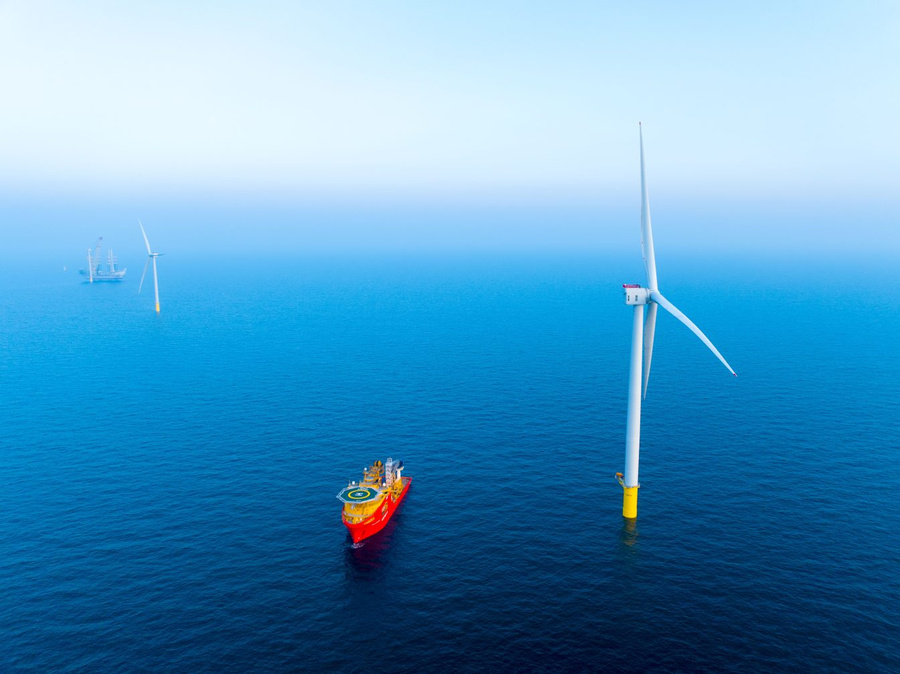
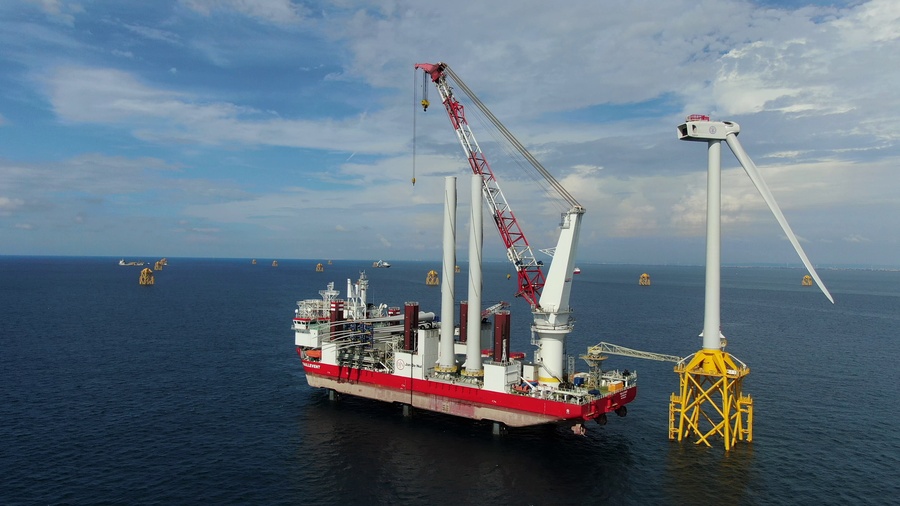
One example cited by the association involves offshore wind work in the North Sea. A European offshore company sailing from an EU port to install turbines would fall under EU ETS. A non-EU operator carrying out the same job in the same area from a non-EU port, such as the UK, would not face the same obligations.
KBRV is asking policymakers to adjust the framework by using activity-based definitions and a “virtual port of call” approach to better reflect offshore operations.
Offshore vessels between 400 tonnes and 5,000 tonnes will be reviewed by December for possible inclusion at a later stage.