More than three months of vessel delays in the Persian Gulf have created a sharp increase in demand for diving teams that clean ship hulls, as operators prepare for a possible restart of traffic through the Strait of Hormuz after an interim peace agreement between the United States and Iran.
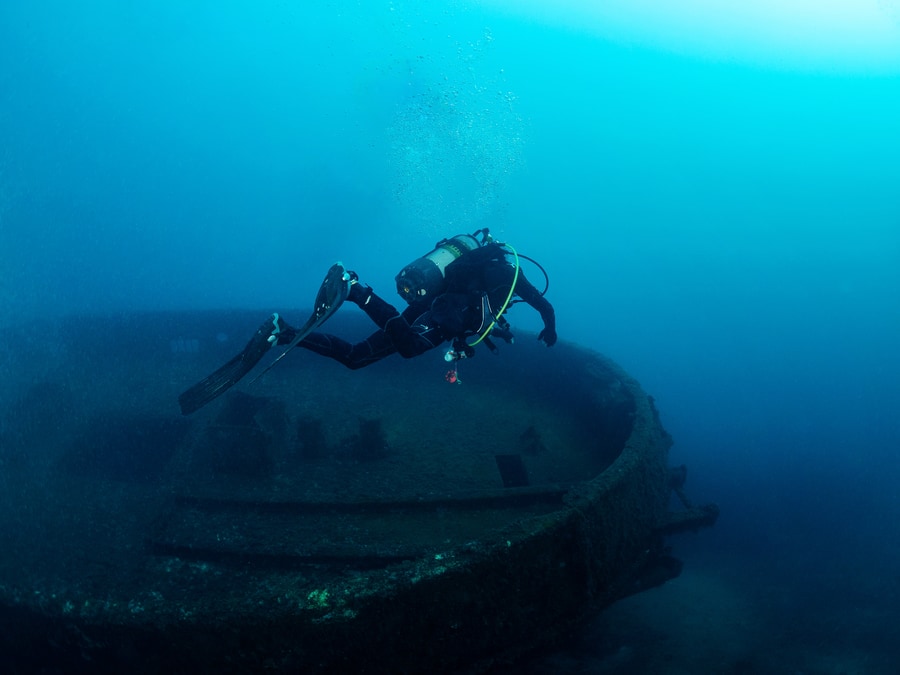
Captain Manandeep Singh Kukreja, chief surveyor at Prominence Shipping Services LLC, said orders for underwater hull-cleaning work have risen more than 30 times since the agreement was announced. The work is needed as vessels affected by long idle periods prepare to move again.
Cleaning costs are also rising. Kukreja said the fee for underwater scraping on one vessel could climb as much as 60% to about $8,000. Before the announcement, the same type of work was priced at around $5,000 per ship.
The increase reflects the pressure on shipowners to return vessels to service after months of disruption. Hull cleaning is only one of several steps required before ships can leave the area. Operators also need to address insurance, safe-passage arrangements and other transit-related risks.
About 600 vessels remain in the Persian Gulf as the disruption to global energy shipping moves toward its 16th week.
Marine growth has become a key concern for vessels that have been stationary in the Gulf’s warm, shallow waters since the conflict began in late February. Algae, slime and barnacles can build up on hulls during long idle periods.
Barnacles attach firmly to ship surfaces and can carry invasive marine species. Many ports restrict entry for vessels with heavy hull fouling because of the environmental risk linked to attached organisms.
The level of cleaning required will differ by vessel. Raghu Sharma, a navigation officer and master mariner with tanker experience in the Persian Gulf, said some ships may only need slime removal, while others may require more extensive cleaning because of heavier marine growth.