Lloyd’s Register (LR) and Latsco have completed a proof-of-concept project that uses operational vessel data as the basis for class surveys, in a move aimed at advancing the digitalisation of ship classification and compliance.
The trial was designed to show how verified data from a ship in service can be used to satisfy class survey requirements without reducing safety, integrity or technical robustness.
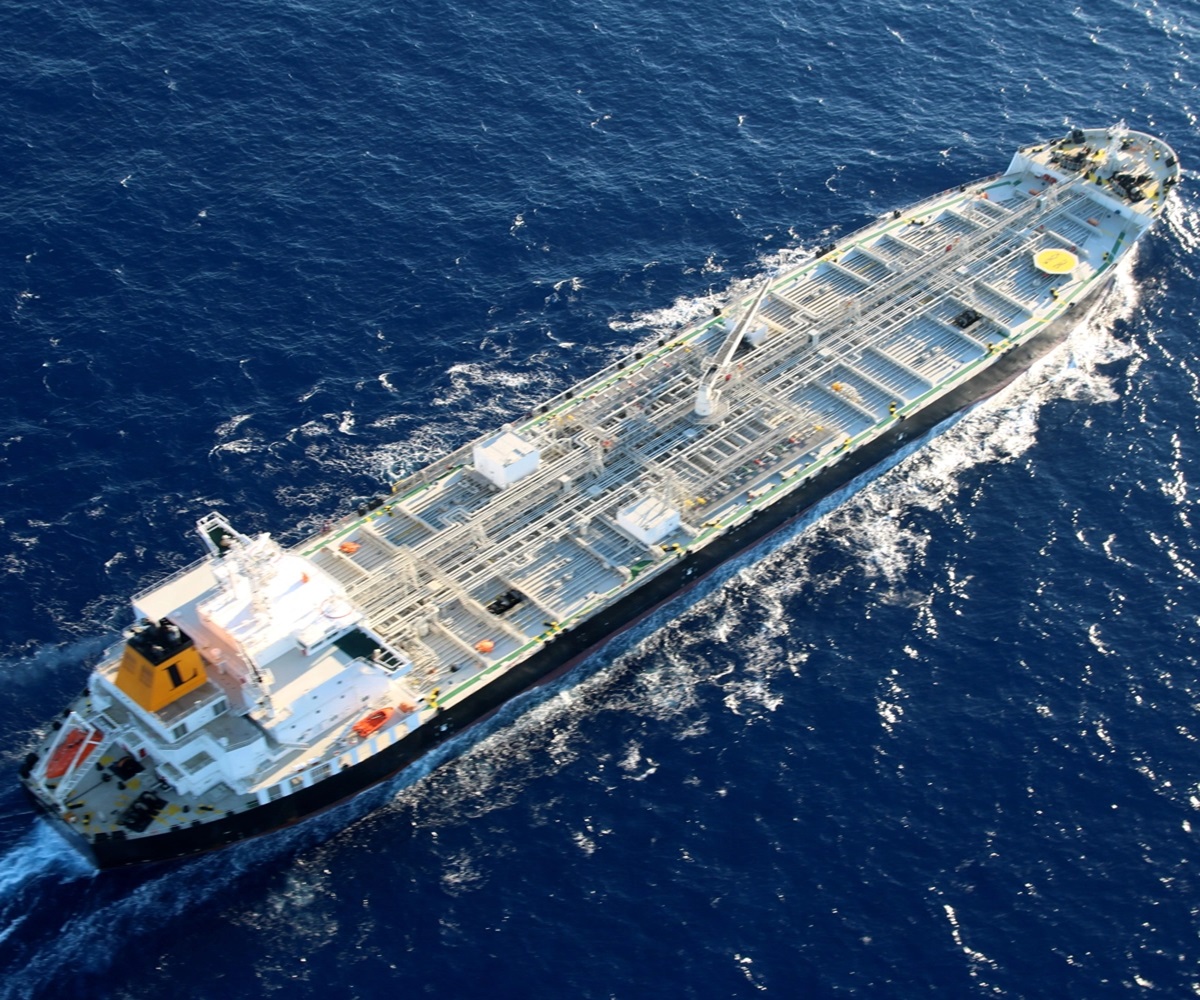
The proof-of-concept was carried out on the vessel HELLAS MARGARITA during an active voyage to Singapore. Using LR’s approved Digital Survey Test Procedure, the project team remotely tested, recorded, and verified the vessel’s auxiliary engine alarms, controls, shutdowns, and safety systems through raw data capture.
A subsequent onboard inspection was then used to confirm that the digital process provided the same level of assurance, accuracy, and safety as a traditional physical survey. According to the partners, the results show that data-driven methods can match – and in some areas potentially exceed – the technical assurance and data integrity achieved through conventional onboard attendance.
Current rules still require surveyors to be physically present to meet survey obligations. However, LR and Latsco said the project indicates that proven operational data could, in the future, support more efficient, transparent, and scalable compliance processes, reducing the extent of physical attendance and supporting fleet management.
Following the trial, the two companies intend to apply the methodology to additional vessels and systems to confirm that it can be repeated reliably, with the goal of creating a pilot scheme for digital class assurance.
Elina Papageorgiou, Vice President, Greece and Cyprus at Lloyd’s Register, said the project shows that digital tools can be used in maritime surveys without undermining safety or integrity, and that validating the use of verified operational data is a step towards more connected, data-enabled shipping.
Konstantinos Chatzitolios, Lead Client Relationship Manager at Lloyd’s Register, noted that close cooperation with Latsco helped accelerate the trial and illustrated how joint work on digital solutions can support the development of new class practices.
From the owner’s side, Latsco Chief Operating Officer Antonis Georgantzis said the initiative demonstrates that trusted operational data can be used to credit survey requirements while maintaining safety and technical standards, and can also provide vessels with more flexibility within tight trading schedules. Technology Manager Iasonas Zacharioudakis added that the use of telemetry allowed survey items to be credited on the basis of data-supported judgments, improving transparency and turning raw data into an operational and safety benefit.
The project forms part of LR’s Digital Transformation Research Programme, which examines how digital technologies can enhance assurance, safety, and operational performance. A core element of this programme is the Digital Maturity Index (DMI), a framework that helps shipowners assess and develop their digital capabilities. Remote surveys of the type demonstrated in this project are one of the applications within the DMI, showing how verified operational data can be used to deliver data-driven assurance while supporting more efficient and resilient vessel operations.