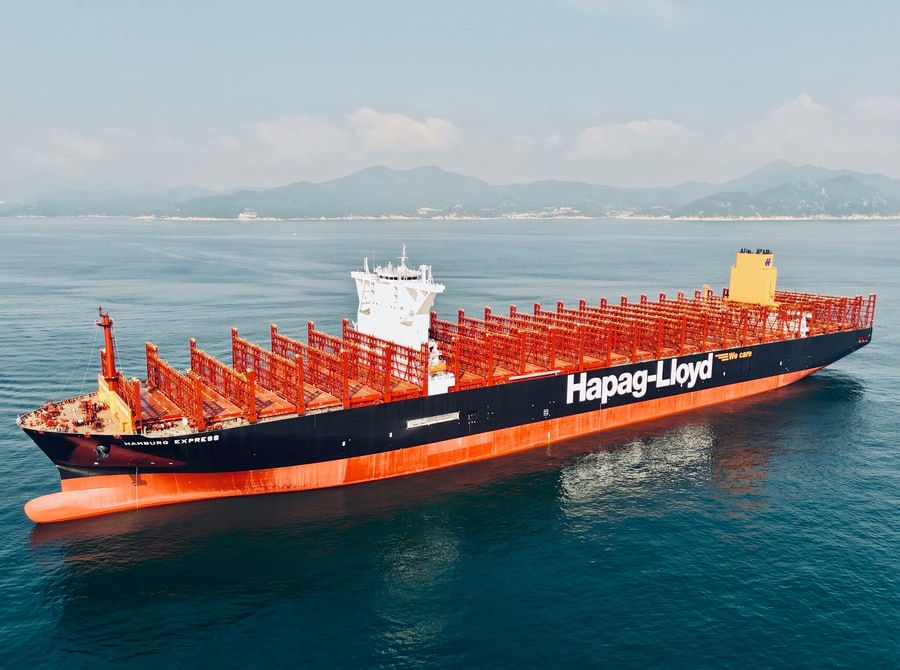
Hapag-Lloyd and Seaspan Corporation have completed the first vessel conversion in their joint methanol retrofit program for existing container ships.
The 10,100 TEU Seaspan Yangtze has been converted from a conventional MAN S90 engine to a dual-fuel engine capable of running on methanol. The vessel is the first completed unit in a five-ship program covering Seaspan Amazon, Seaspan Ganges, Seaspan Thames, and Seaspan Zambezi.
The retrofit program is being carried out with engine manufacturer Everllence. Total investment for the five vessels is estimated at about $120 million.
According to the companies, each converted vessel could cut carbon dioxide equivalent emissions by 30,000–50,000 tonnes per year when operating on low-carbon methanol.
The project reflects a wider move in container shipping to reduce emissions from existing assets, rather than relying only on newbuild orders. Retrofitting allows operators to adapt proven vessels for alternative fuels while keeping operational flexibility.
Hapag-Lloyd said the conversion of Seaspan Yangtze shows how technical work and cooperation with partners can prepare existing ships for low-carbon fuel use. The company views retrofits as part of its plan to decarbonize fleet operations by 2045.
The conversion also supports Hapag-Lloyd’s sustainability strategy, which includes new vessel investment, dual-fuel retrofits, efficiency measures and alternative fuel procurement.
As emissions rules and customer demand continue to shape shipping, the project shows how existing container tonnage can support lower-carbon operations without waiting for new fleets to enter service.