The global fleet of large commercial ships using wind propulsion has passed 100 vessels, marking a wider shift toward wind-assisted technology as a practical tool for reducing fuel use and emissions in shipping.
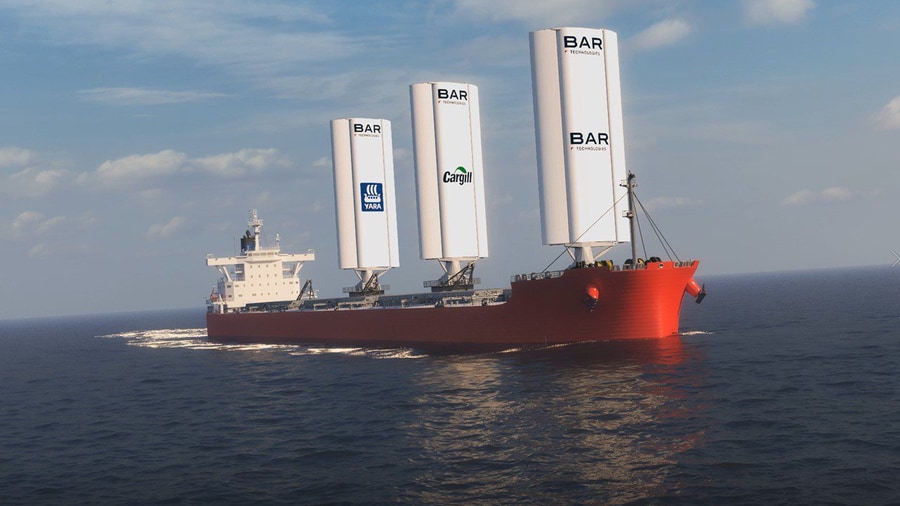
According to the International Windship Association, more than 100 cargo vessels with a combined capacity of over 5 million dwt can now use wind power. Installed systems include rotor sails, suction sails, wing sails, traction kites and traditional sail arrangements.
The fleet is fitted with more than 230 wind propulsion units. Together, these systems are estimated to cut more than 100,000 tonnes of carbon dioxide emissions each year.
The pace of adoption has increased sharply. In May 2022, 21 large commercial vessels were operating with wind propulsion, representing around 1 million dwt. Four years later, the number of ships has grown almost fivefold.
Tankers lead current adoption, with 37 vessels fitted with wind-assist systems. Bulk carriers and ro-ro or ro-pax vessels each account for 24 ships, while 19 general cargo vessels have installed the technology.
The growth comes as shipowners seek proven ways to reduce fuel consumption and emissions while dealing with tighter regulation and uncertainty over future fuel supply.
Gavin Allwright, secretary general of the International Windship Association, said the rise in installations reflects sustained testing, verification and commercial validation. He said shipowners are gaining confidence in both the operational and financial case for wind propulsion.
Allwright said the orderbook remains healthy despite uncertainty over global decarbonisation rules and geopolitical instability. He expects the number of large commercial vessels using wind power to double again within the next 12 months, reaching around 200 ships by mid-2027.
Longer-term projections suggest wider use is possible. Studies commissioned by the European Union and the UK government have estimated that wind propulsion could be used by up to 15% of the global fleet by the early 2030s and as much as 40–45% by mid-century.
Allwright said the 100-ship milestone is an important signal for the market because wind propulsion can support financial returns, improve energy security and deliver measurable emissions reductions.
Several wind technology companies are attending the Posidonia exhibition in Athens this week.