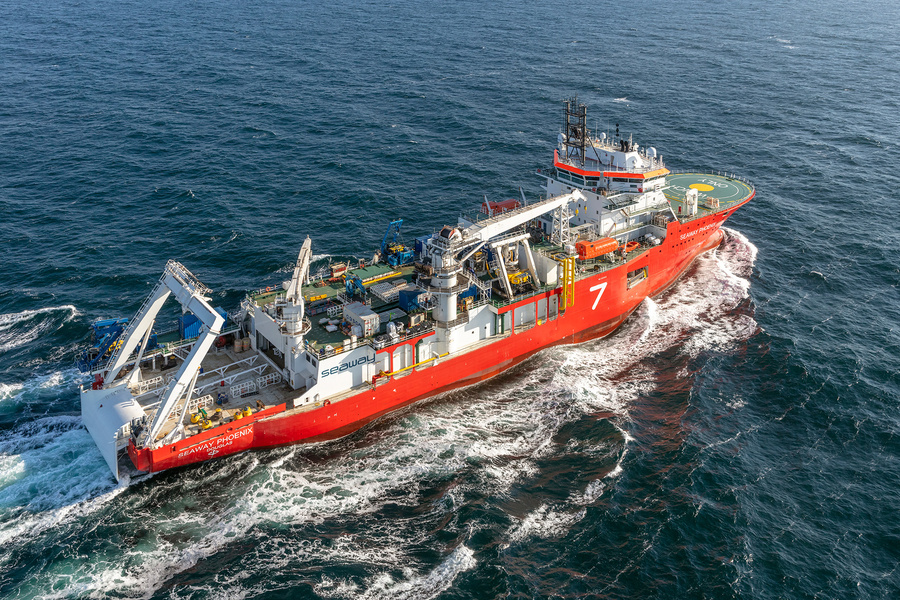
Hornsea 3 array cable installation is approaching, with Seaway7 preparing its vessels for the 2.9 GW UK offshore wind project. Seaway Phoenix is expected at the site on 19 October 2026, according to Ørsted’s weekly construction notice dated 9 October 2026.
At the time of the notice, Seaway Phoenix was taking cable aboard in the Dutch port of Eemshaven. Seaway Moxie is assigned to support the installation. Its mobilisation at Eemshaven was planned to begin on 12 October, and the notice lists 15 October as the start date for its support activity.
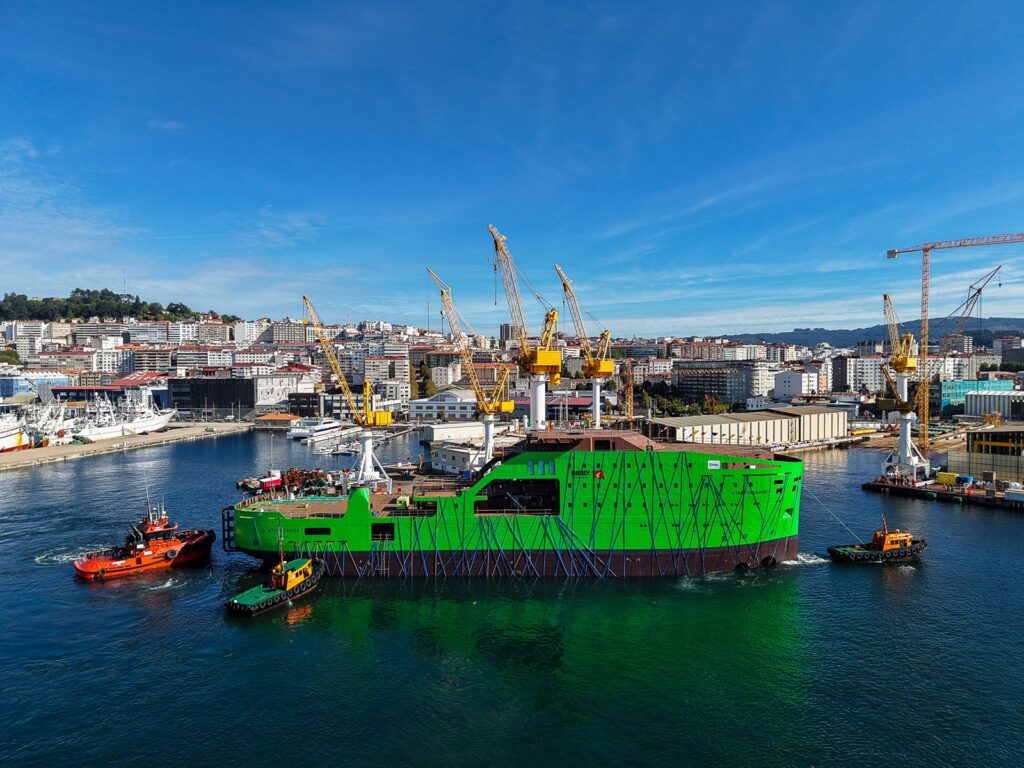
Grand Canyon 3 is due to mobilise from Blyth in the UK on 17 October. The vessel’s pre-trench survey and trenching work is scheduled from 20 October, with the notice listing September 2027 as the end of its programme. The scope covers all inter-array cables. An A-frame will deploy the vessel’s trenching equipment and remotely operated vehicles.
The 2024 contract awarded to Seaway7 covers transport and installation of the array cables. Supply is divided between Hellenic Cables and Prysmian Group, with JDR Cable Systems handling cable testing and termination.
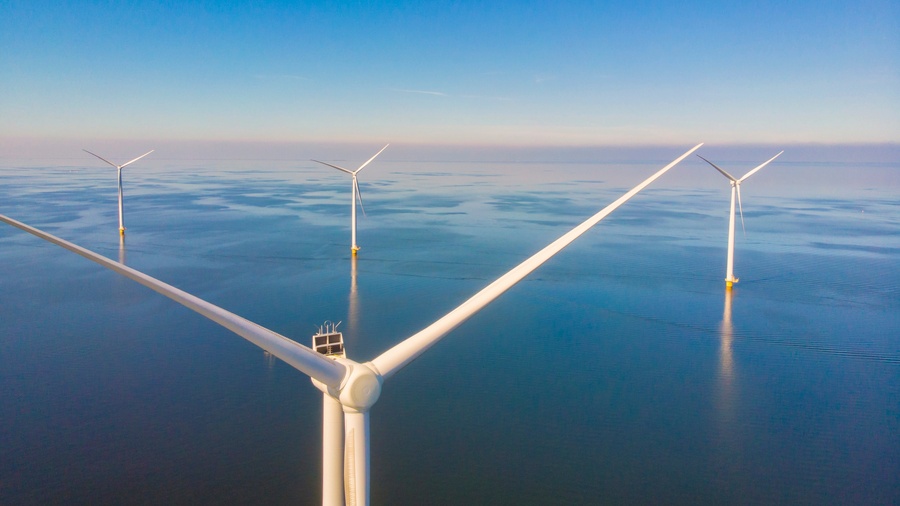
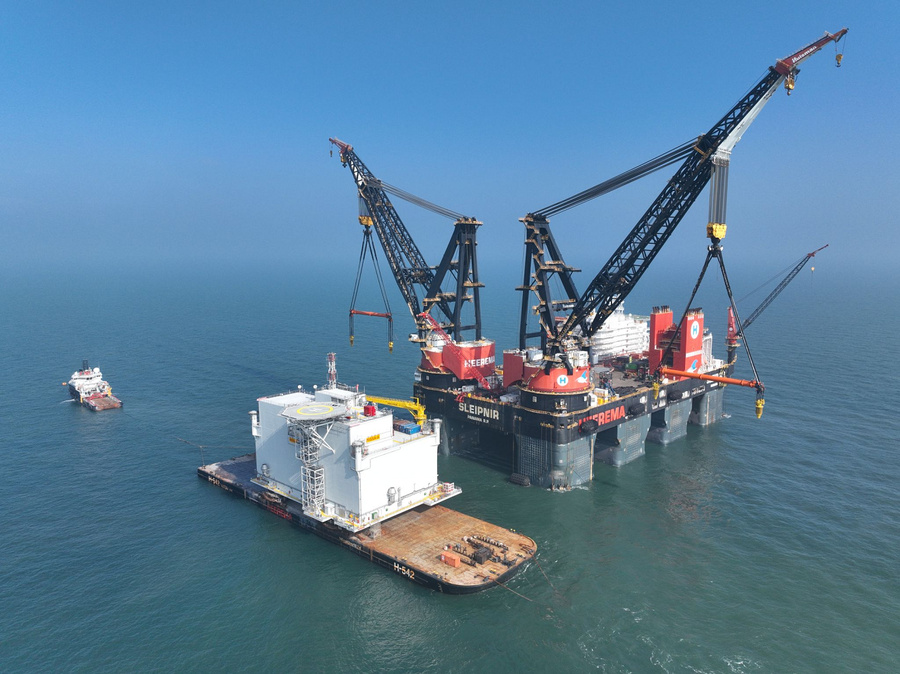
Hornsea 3 is being developed around 120 km from the Norfolk coast and will comprise 197 Siemens Gamesa turbines rated at 14 MW. Installation of the project’s 197 monopile foundations began in 2026 and remains underway. September brought completion of the second offshore converter station’s installation.