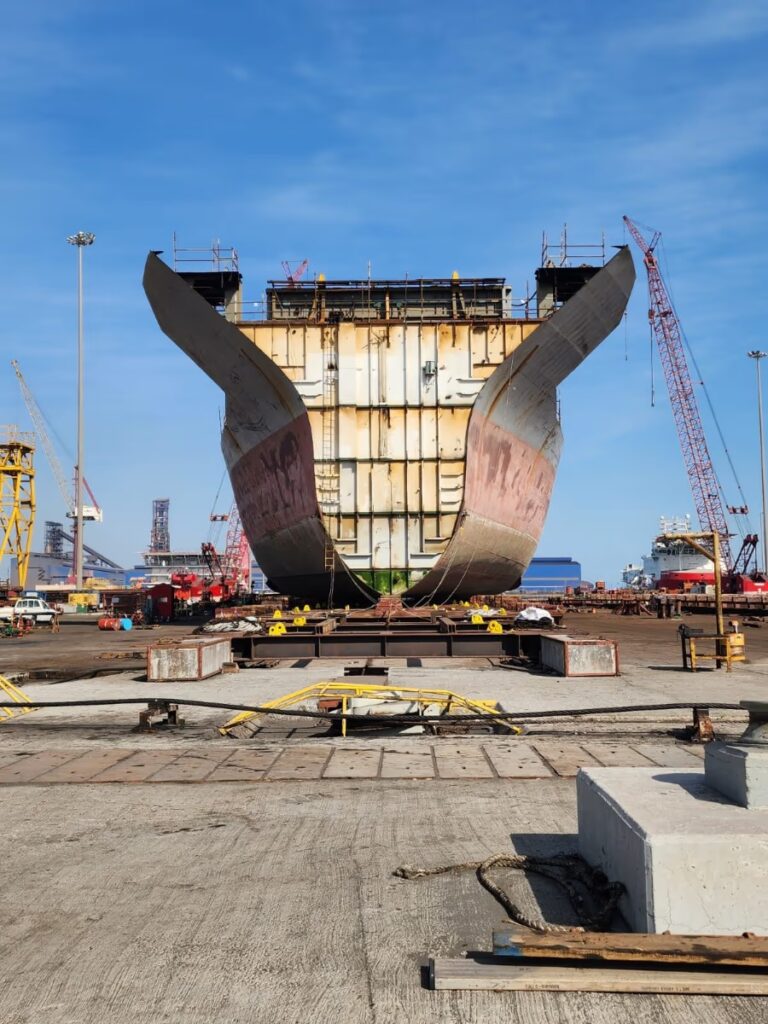
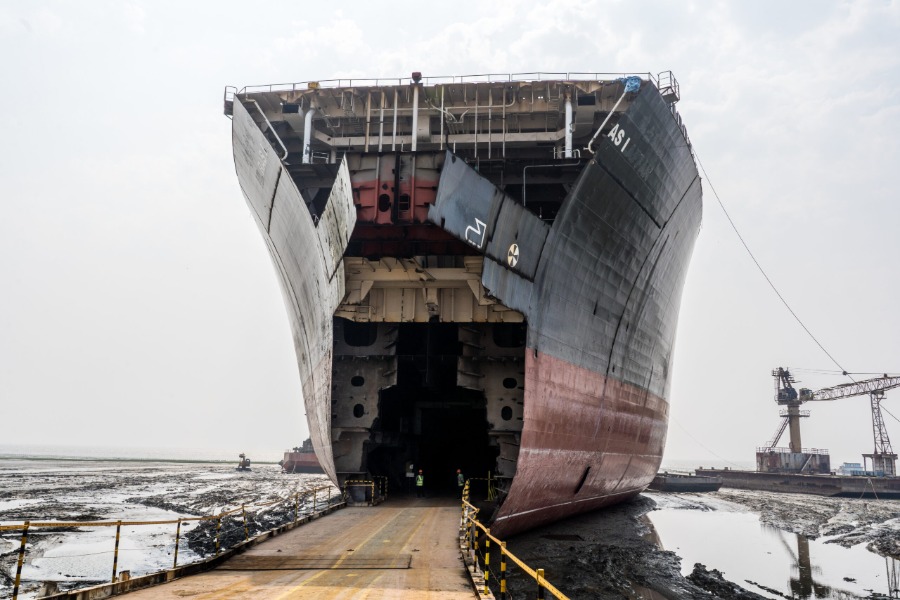
Nine workers were killed after hydrogen sulphide exposure aboard the LNG carrier MT Rasi during dismantling at Ferdous Steel Ship Recycling Industries in Chattogram, Bangladesh, on 14 August 2026.
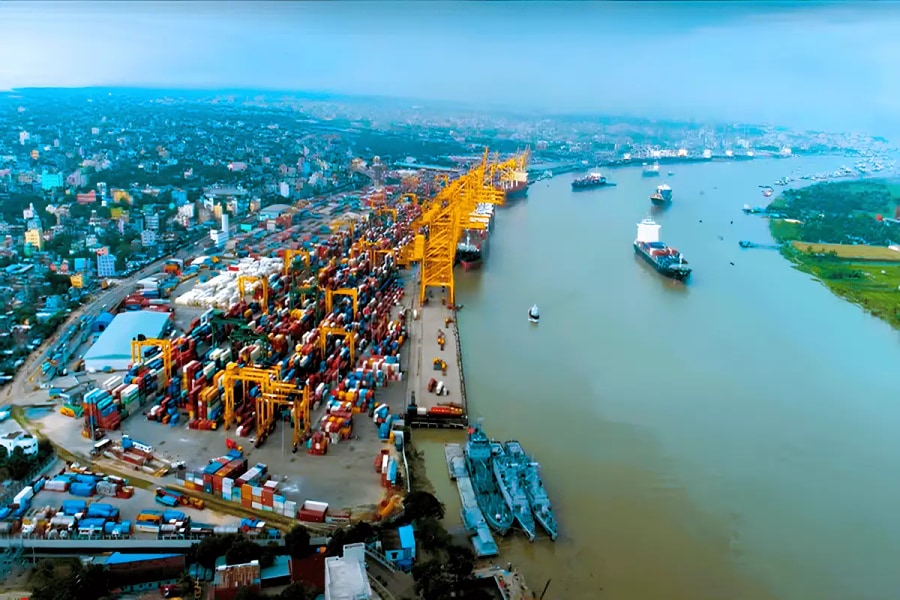
The accident occurred at the company’s yard in Bhatiari, Sitakunda. A Ministry of Industries inquiry committee subsequently identified hydrogen sulphide as the cause of the deaths. One of the victims was a 17-year-old worker.
The Bangladesh Ship Recycling Board suspended operations at Ferdous Steel following the incident. Authorities also began an investigation into the cause of the accident, possible negligence and the safety measures in place at the yard.
The accident occurred after the environmental clearance covering the dismantling of MT Rasi had expired. The Department of Environment issued the clearance on 13 August 2025 and it remained valid until 12 August 2026, two days before the fatal incident. The department said the yard had not applied for renewal before the expiry date.
The Department of Inspection for Factories and Establishments had also filed a case against Ferdous Steel in July 2026 over safety violations. DIFE records show earlier cases against the yard in 2017 and 2018 resulted in convictions and fines. A further case was filed shortly before the 14 August accident.
Ferdous Steel had been certified as a green shipyard under the Hong Kong International Convention for the Safe and Environmentally Sound Recycling of Ships. According to data compiled by the Bangladesh Institute of Labour Studies, 84 accidents were recorded at Bangladesh’s shipbreaking yards between 26 June 2025 and 14 August 2026, resulting in 15 deaths and 81 injuries.
Regulatory scrutiny has also focused on the vessel itself. MT Rasi had been inspected before recycling work began, and government bodies and a state-appointed private safety agency cleared the vessel for dismantling. The Inventory of Hazardous Materials submitted during the approval process did not identify hydrogen sulphide, according to subsequent reporting on the investigation.
The Hong Kong Convention entered into force on 26 June 2025. The IMO rules require ships sent for recycling to carry an Inventory of Hazardous Materials and require recycling facilities to prepare ship-specific recycling plans. Governments that are parties to the convention are responsible for ensuring facilities under their jurisdiction comply with its requirements.
Separately, the European Commission is considering the first Indian facilities for inclusion on the European List of Ship Recycling Facilities. Its proposed 16th update includes YSI Recyclers and Shree Ram Vessel Scrap/Shree Ram Shipping Industries in Alang, India. Both use beaching as part of their recycling operations.
The Commission said the two facilities demonstrated compliance with requirements covering environmental protection, safety, technical capability and governance following inspections and assessments. Public feedback on the proposal is open until 30 August 2026.
The proposed inclusion has drawn opposing responses. European shipping organisations have supported the addition of compliant Indian yards, while the NGO Shipbreaking Platform has called for the two facilities to be excluded because they use beaching. The organisation argues that dismantling vessels on intertidal areas does not provide adequate containment of hazardous materials.
The Bangladesh accident occurred little more than a year after the Hong Kong Convention became mandatory internationally, placing renewed attention on how ship recycling safety requirements are being applied at operating yards.