Former Costa Concordia captain Francesco Schettino left Rome’s Rebibbia prison on 20 November 2026 after serving more than nine years of a 16-year and one-month sentence for his role in the 2012 cruise ship disaster off the Italian island of Giglio, which claimed 32 lives.
The Rome Supervisory Court authorised the 66-year-old to complete his remaining sentence under the supervision of social services, taking into account his conduct during imprisonment and involvement in rehabilitation programmes. The decision changes the manner in which he serves his sentence without overturning his conviction.
Schettino will reside in Campania, where his rehabilitation programme includes paid administrative work and voluntary activities. He is subject to an overnight curfew between 22:00 and 06:00 and, according to his lawyer Francesca Carnicelli, is prohibited from travelling outside his province of residence.
Any breach of these conditions could lead to the revocation of the arrangement and his return to prison. Italian newspaper Quotidiano Nazionale reported that sentence reductions for good behaviour had advanced his expected release from judicial supervision to July 2030.
Georgia Ananias, a survivor of the disaster, expressed dissatisfaction with the decision in an interview with Fox News, saying that victims had not been informed of Schettino’s release in advance.
A court in Grosseto found Schettino guilty on 11 February 2015 of offences including negligent shipwreck, multiple counts of manslaughter and abandoning the vessel and people in danger. Italy’s Court of Cassation confirmed his prison sentence on 12 May 2017.
The accident occurred on 13 January 2012 as Costa Concordia was sailing from Civitavecchia to Savona with 4,229 people aboard. During a close passage of Giglio, the cruise ship struck the Scole Rocks while travelling at 14.2 knots.
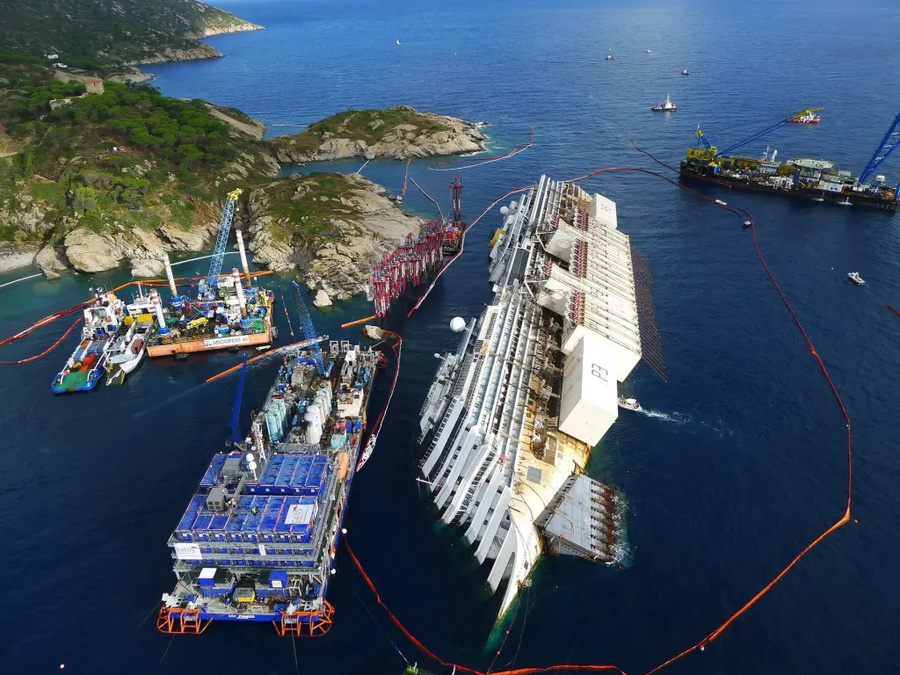
The collision damaged approximately 53 metres of the hull, including a principal breach measuring around 36 metres. Five neighbouring watertight compartments became flooded, and the vessel suffered a blackout before coming to rest on its starboard side near Giglio Porto.
The subsequent salvage operation involved parbuckling the wreck in September 2013. In July 2014, the vessel was towed to Genoa for dismantling.