Iran said on Saturday that it had returned the Strait of Hormuz to strict military control, tying the move to what it called a continuing US blockade of Iranian ports.
The decision came only hours after the waterway had briefly reopened. That earlier reopening followed a US-mediated 10-day ceasefire agreement between Israel and Lebanon, during which more than a dozen commercial ships were reported to have crossed the strait.
Iranian state media, citing the Islamic Revolutionary Guard Corps, said the US blockade of Iranian ports amounted to piracy and maritime theft. The statement said the strait was under the strict management of Iran’s armed forces and that the situation would remain unchanged until vessels traveling from Iran to their destinations and back were given full freedom of navigation.
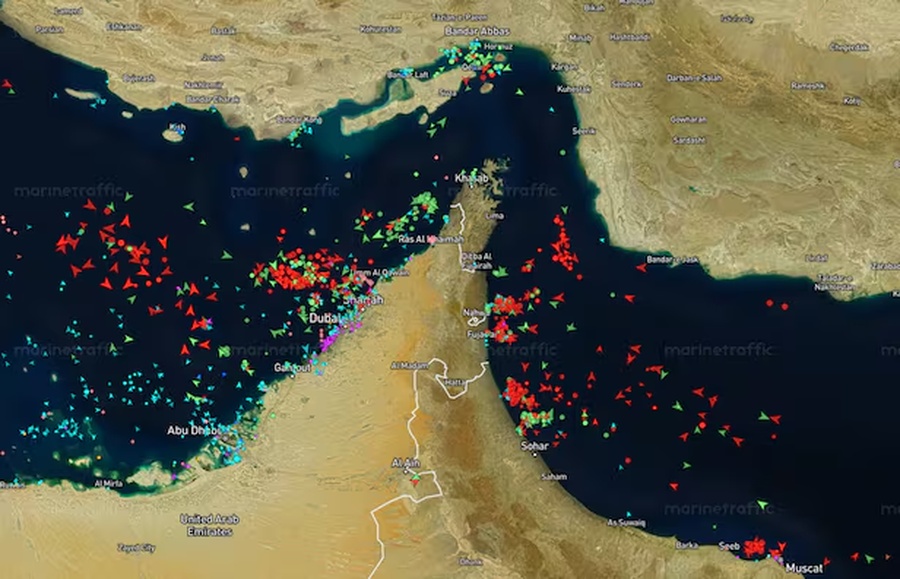
The renewed restrictions quickly affected ship movements. By 10:30 GMT on Saturday, AFP reported that at least eight oil and gas tankers had passed through the strait, while a similar number appeared to turn back after beginning their exit from the Gulf.
The situation also prompted a diplomatic response from India. India’s Ministry of External Affairs said Secretary Vikram Misri summoned the Iranian ambassador after a shooting incident involving two Indian-flagged merchant vessels in the strait. New Delhi said it conveyed deep concern and urged Iran to resume facilitating India-bound ships through the waterway at the earliest. According to the ministry, the ambassador said those views would be passed to Iranian authorities.
Iran had identified India as one of the friendly countries whose ships were allowed to pass. Some vessels flying the flags of Malaysia, China, Egypt and South Korea were also reported to have been permitted to transit.
The changing status of the strait also cast doubt on US President Donald Trump’s earlier optimism that a deal to end the US-Israel war on Iran was close. After welcoming the reopening on Friday, Trump said US attacks could resume unless Iran agreed to a broader deal that included its nuclear program.
Iran, however, said no date had been set for another round of talks and accused the US of betraying diplomacy. John-Paul Rodrigue, a maritime shipping specialist at Texas A&M University, said conflicting information from different sides was discouraging ship movements, with some vessels attempting transit before turning back because the situation remained unclear.