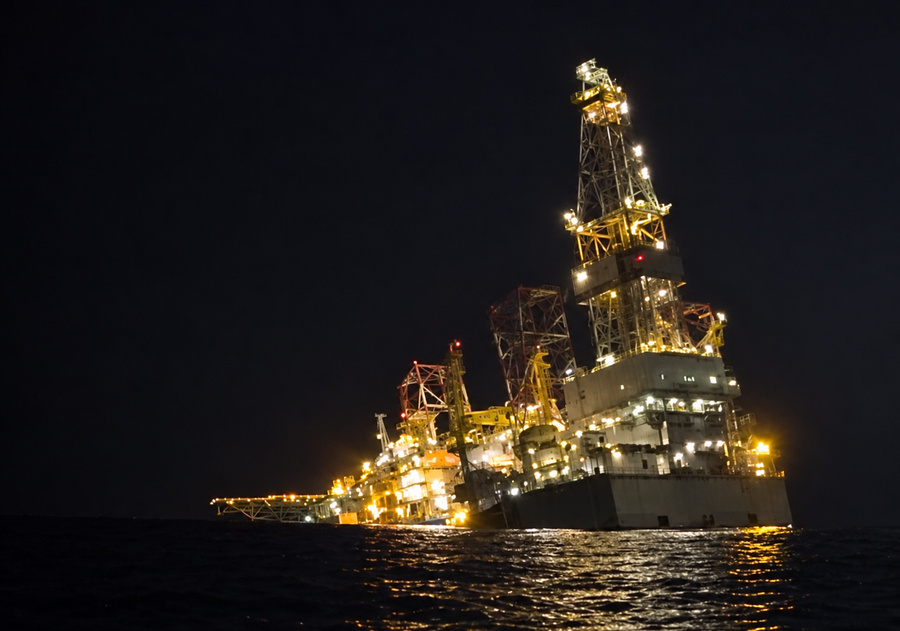
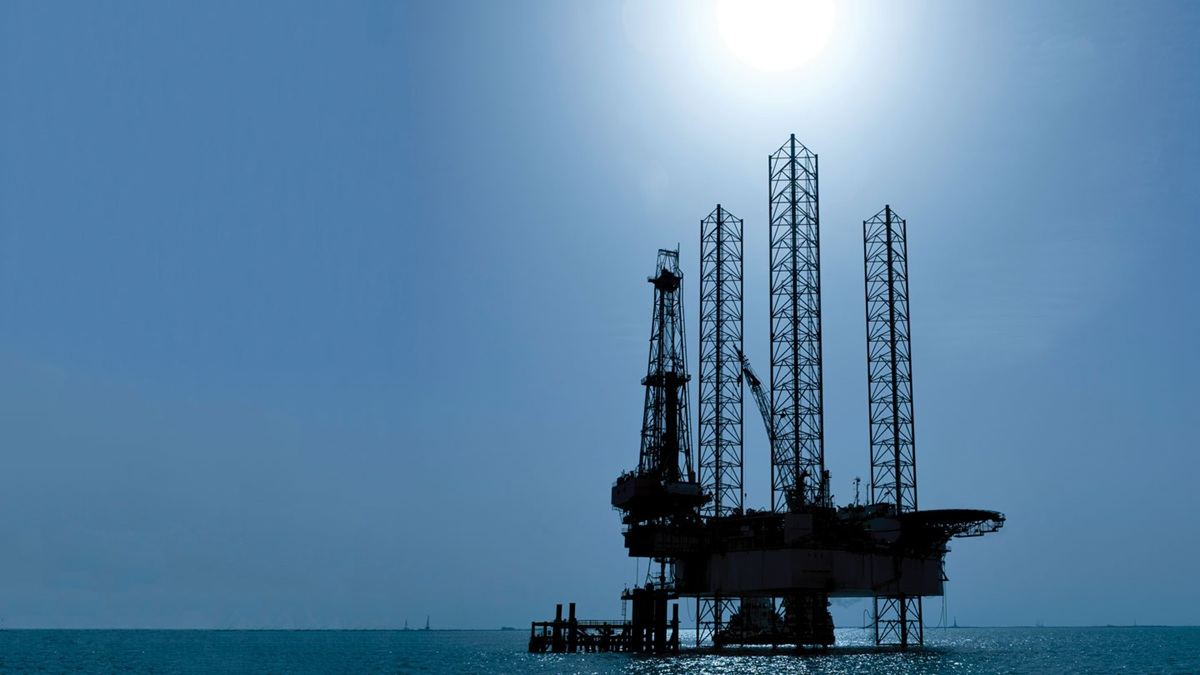
Saudi Arabia halted production at four offshore oilfields as security risks linked to tensions with Iran intensified across the Gulf. State-owned Aramco suspended operations at Safaniya, Marjan, Zuluf, and Abu Safa, removing an estimated 2.0–2.5 million barrels per day from the market.
The decision came as regional oil exporters responded to disruptions around the Strait of Hormuz, where tanker movements have nearly stopped. Saudi Arabia joined the UAE, Bahrain, Iraq, and Kuwait in curbing output as maritime traffic through the key shipping corridor slowed sharply.
Among the affected assets is Safaniya, the largest offshore oilfield globally, which holds more than 30 billion barrels in proven reserves. Zuluf, another major offshore development, is estimated to contain roughly 30 billion barrels and has production capacity exceeding 1 million barrels per day.
Energy infrastructure in Saudi Arabia has already faced security incidents. Earlier in the month, Aramco shut the Ras Tanura refinery on the kingdom’s eastern coast after an Iranian drone strike affected the facility. The refinery processes about 550,000 barrels per day and was taken offline as a precaution. No injuries were reported.
Offshore operations in the region have also been affected. One offshore installation was reportedly struck in an Iranian attack, though the specific platform has not been identified.
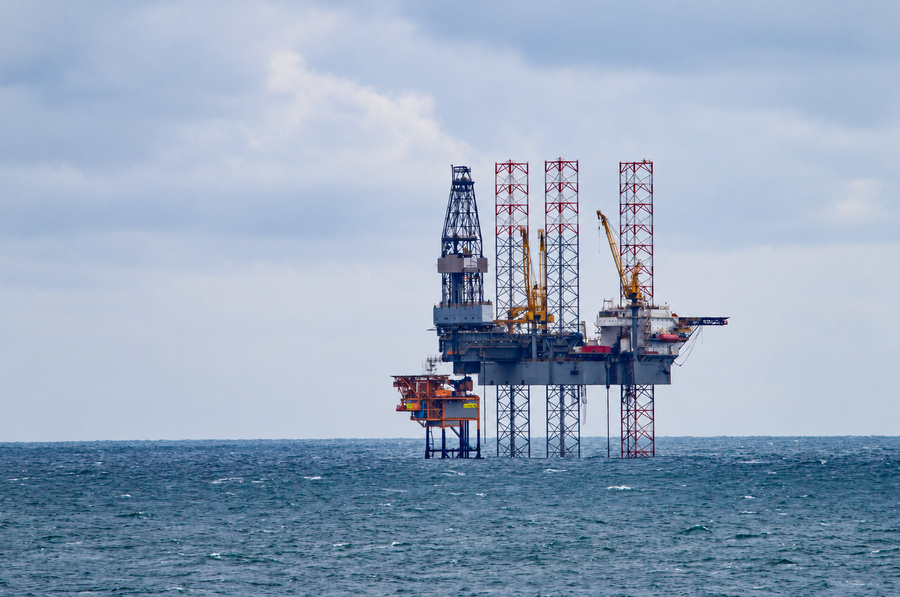
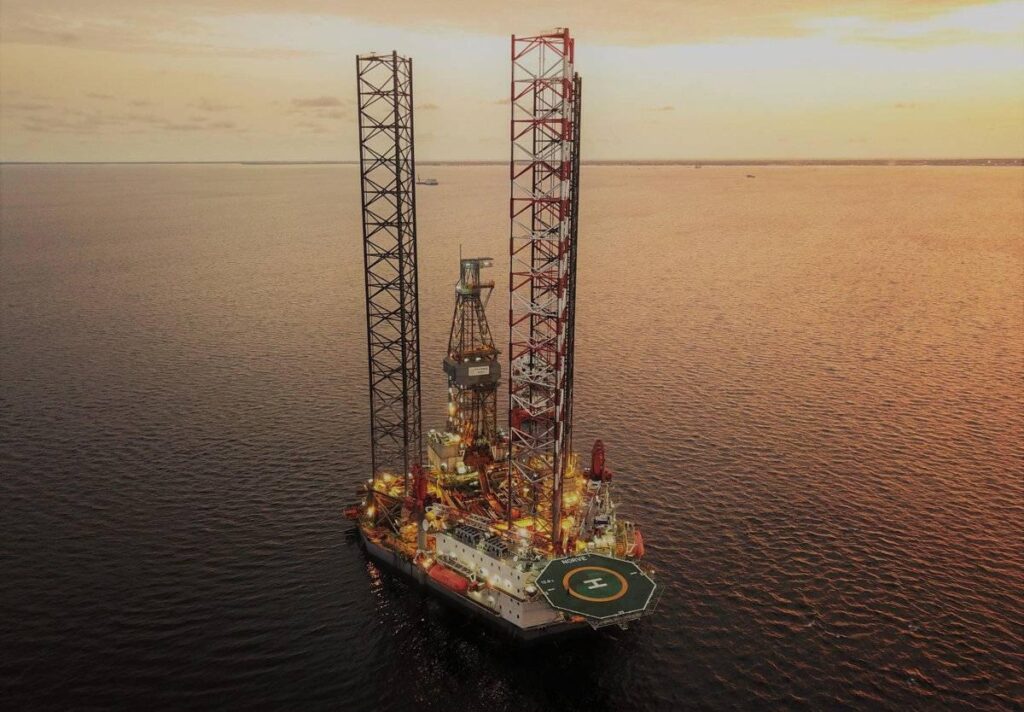
Drilling contractor Borr Drilling confirmed that its Arabia III jack-up rig was involved in an incident on a customer-operated platform on 7 March. Following the event, the rig was safely shut down and all personnel were evacuated.
Due to the security environment, Borr Drilling reduced staffing levels across its four rigs operating in the Gulf region. These units include one rig in Saudi Arabia, one in the UAE, and two in Qatar. The company stated that all four rigs remain under contract and are covered by insurance.