Aker BP project costs for Yggdrasil and Valhall-Fenris have increased to NOK 195.0 billion and NOK 93.4 billion, respectively, according to Norway’s proposed 2027 national budget.
On a constant 2026-kroner basis, the latest estimates put Yggdrasil 47% above its investment estimate at government approval and Valhall-Fenris 60% higher. Both developments were approved in 2023 and remain scheduled to start production in 2027.
Yggdrasil’s latest estimate is NOK 11.5 billion above the comparable figure reported a year earlier. The Norwegian Ministry of Energy attributed the increase to factors including project changes, more parallel work, measures to protect the schedule, currency effects and higher working-hour requirements.
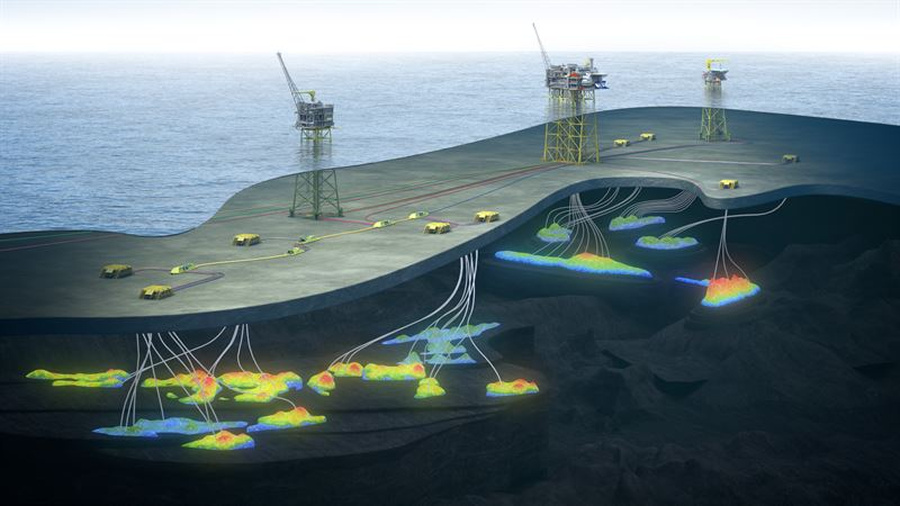
The project scope has also expanded following the addition of East Frigg. The discovery is being incorporated into Yggdrasil as a subsea tie-back to Hugin A, increasing both investment requirements and the project’s resource base.
Valhall-Fenris has increased by NOK 14.9 billion from the comparable estimate a year earlier on the same constant-price basis. Its scope now includes four additional wells at Valhall and one at Fenris, which the government said have raised investment requirements while adding resources.
Aker BP had already raised its project investment estimates in July. In its second-quarter update, the company increased Yggdrasil’s estimate from about $12.1 billion to $12.5–13.0 billion before tax and Valhall PWP-Fenris from about $7.0 billion to $7.3–7.6 billion.
The company linked the Yggdrasil revision mainly to updated estimates for offshore installation construction and commissioning. At Valhall PWP-Fenris, additional resources were being used to reduce execution risk during offshore installation and hook-up work while protecting the 2027 start-up schedule.
A separate comparison using nominal estimates reported a year ago shows Yggdrasil rising from NOK 177.6 billion to NOK 195.0 billion, an increase of 9.8%, while Valhall-Fenris increased from NOK 75.9 billion to NOK 93.4 billion, or 23%.
Those percentages use a different basis from the government’s 47% and 60% figures, which compare the latest estimates with the projects’ original approval values after adjusting them to 2026 kroner.
When the developments were approved in 2023, the government recorded investment estimates of NOK 120.8 billion for Yggdrasil and NOK 52.9 billion for Valhall-Fenris in 2023 kroner.
Despite the higher investment requirements, both the Norwegian government and Aker BP continue to target first production from Yggdrasil and Valhall-Fenris in 2027.