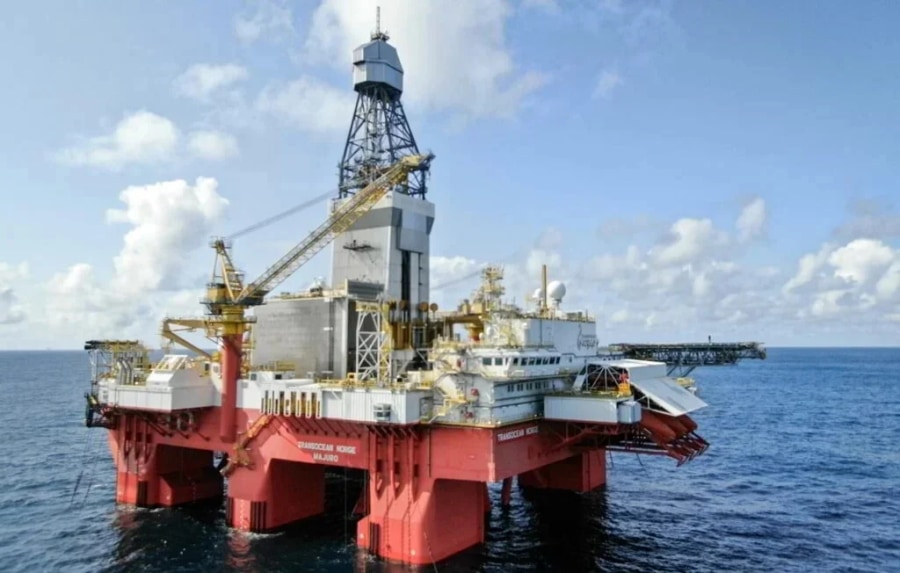
Shell is preparing its Crux offshore gas project in Australia’s Browse Basin for commissioning following the installation of the production platform, with first gas targeted for the second half of 2027.
The platform is now in position offshore Western Australia, according to Shell’s latest project update on 5 October. Commissioning and preparation of the production wells are among the next major steps before start-up.
Project partner SGH Limited, which holds a 15.5% interest through SGH Energy, has identified the second half of 2027 as its expected first-gas window, based on the company’s P50 project estimates.
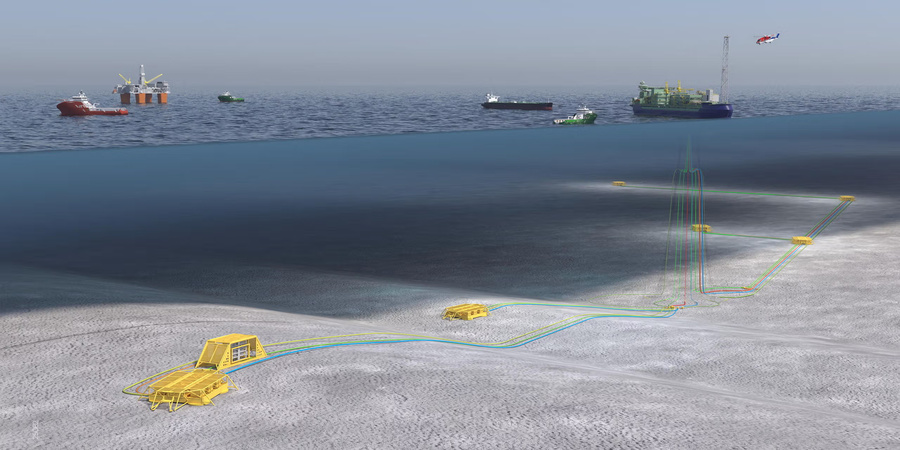
Crux is being developed to supply additional natural gas to Shell’s existing Prelude floating liquefied natural gas (FLNG) facility. Once production begins, gas will travel through an approximately 160 km pipeline connecting the offshore platform to Prelude.
The development is designed to deliver up to 550 million standard cubic feet of gas per day. The additional supply is expected to support LNG production at Prelude into the 2030s, with processed LNG exported to customers in Asia.
The Crux platform is designed for normally unmanned operations, with remote management carried out from Prelude. Personnel will visit the installation when necessary, while onboard gas turbines will generate electricity for the production facilities.
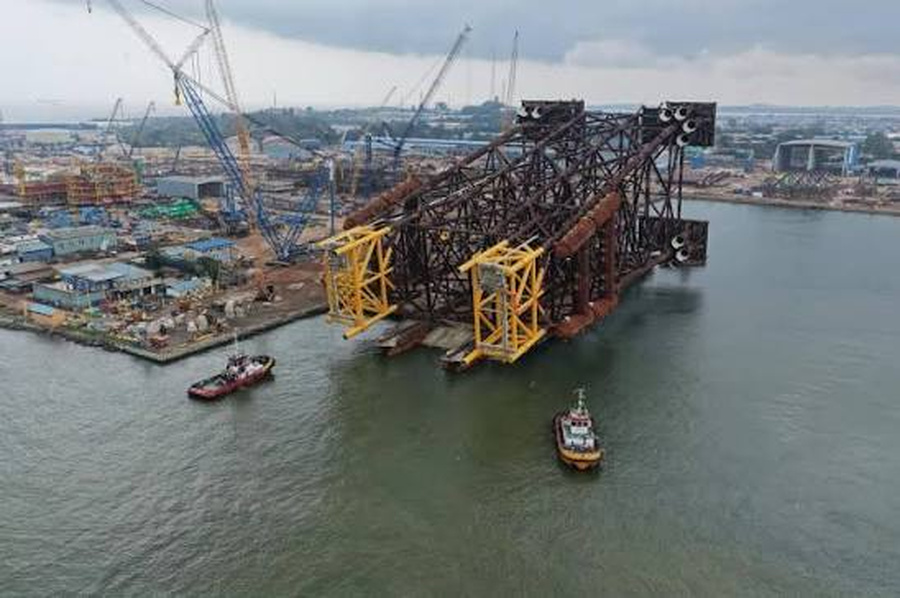
The offshore development has involved major fabrication and marine installation work, including the Crux jacket load-out at McDermott’s fabrication yard in Batam, Indonesia. Sarens carried out the weighing and load-out of the 24,495-tonne structure before its offshore installation.
According to SGH’s August 2026 investor presentation, Crux contains approximately 1.6 trillion cubic feet of gross gas-equivalent resources. The company estimates a production life of around 12 years, including a two-year ramp-up period followed by an expected production plateau lasting eight to ten years. These figures are based on SGH’s P50 assumptions.
At plateau production, SGH expects its net share of LNG output to reach approximately 0.4 million tonnes annually. This corresponds to an estimated five to six LNG cargoes per year, assuming a cargo size of approximately 70,000 tonnes.
With the offshore platform in place, the project is progressing toward commissioning and operational readiness ahead of its planned 2027 production start-up.