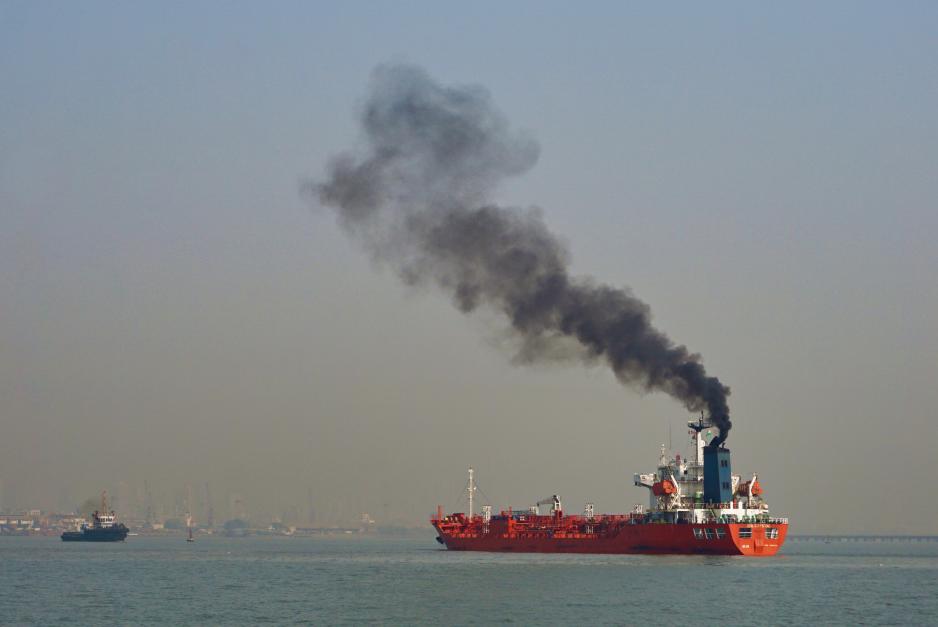
The global shipping industry is entering a new era of financial pressure as carbon pricing frameworks expand worldwide. Analysts estimate that the inclusion of maritime transport in emissions trading systems could add more than $6 billion in costs as early as 2025, escalating toward $50 billion annually by the 2030s.
This surge will be driven by overlapping regional and international climate regulations. Europe’s Emissions Trading System (ETS), the UK ETS, and the forthcoming FuelEU Maritime initiative are expected to coincide with the International Maritime Organization’s (IMO) new Greenhouse Gas Fuel Intensity (GFI) rule. Together, these measures will impose multiple layers of carbon compliance obligations on ship operators.
Industry projections suggest that if both regional and global carbon systems operate simultaneously, and additional nations introduce their own carbon taxes, total annual costs for the shipping industry could approach $100 billion by 2030. Rising carbon credit prices — forecast to reach $150 per tonne of CO₂ by the end of the decade — will place further strain on operators reliant on fossil fuels.
The IMO’s GFI mechanism alone could generate up to $22 billion in annual costs upon introduction, potentially rising to $33 billion by 2030. If applied alongside existing regional programs, it may deepen competitive disparities between shipping routes and markets.
For shipowners, charterers, and financiers, carbon costs are no longer a marginal consideration but a defining factor in long-term business sustainability. Traditional cost structures — once centered on fuel, labor, and maintenance — are being reshaped by emissions pricing, influencing freight rates, voyage economics, and credit risk across the maritime sector.