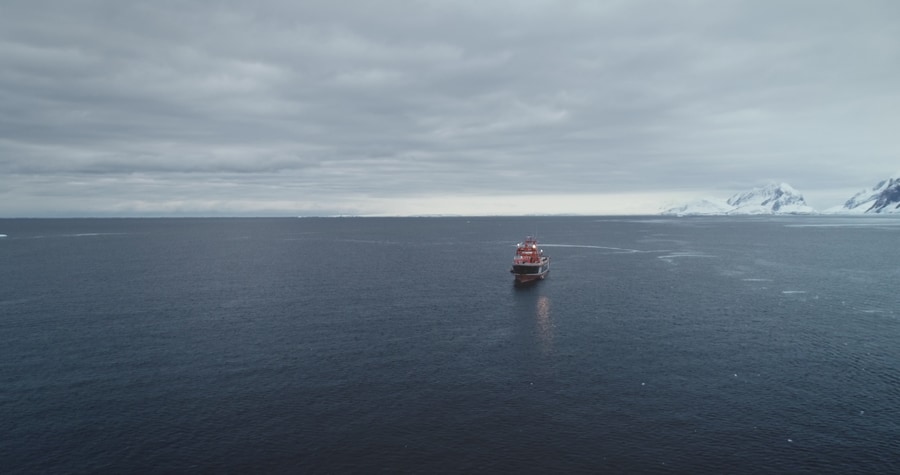
Black carbon emissions from shipping in Arctic waters are rising faster than the regulatory timetable now taking shape at the International Maritime Organization.
Recent data covering 2019–2024 showed that black carbon emissions in Polar Code waters increased from 259 tonnes to 759 tonnes. Across the wider AMAP geographic boundary, the rise was about 46%. The figures relate to vessels already operating in polar waters, not future projections.
The issue is especially serious in the Arctic because black carbon can settle on snow and ice, reducing reflectivity and increasing heat absorption. Its warming potential is estimated at up to 1,500 times that of carbon dioxide by mass.
The increase is linked to growing shipping activity as Arctic sea ice retreats. Between 2013 and 2024, the number of individual ships entering Arctic waters rose by 37%, while total sailing distance in the region more than doubled. The Northern Sea Route has drawn interest from bulk carriers and tankers, while cruise activity has also expanded.
IMO’s latest progress included approval of a North-East Atlantic Emission Control Area. The zone is scheduled to enter into force in 2027 and will apply a 0.10% sulphur limit, along with tighter nitrogen oxide rules for newer engines.
However, black carbon is tied not only to fuel type but also to combustion quality. Existing analysis cited in the source indicates that even full enforcement of the Arctic heavy fuel oil ban, together with an Arctic ECA scenario requiring distillate fuel, would cut black carbon by only 2–5%.
That puts attention on engine operation and maintenance. Injector condition, turbocharger performance, combustion temperatures and fuel handling can all influence soot formation.
A recent trial involving MSC Opera showed what can be achieved with existing machinery. One engine operated for about 2,000 hours on 100% hydrotreated vegetable oil without modification. The trial reported a 16% cut in nitrogen oxide emissions, lower particulate output and about an 80% lifecycle greenhouse gas reduction compared with conventional marine fuel.
The trial does not remove concerns over fuel availability, cost or supply-chain sustainability. But it shows that cleaner transitional fuels and stronger combustion management can reduce emissions from ships already in service.