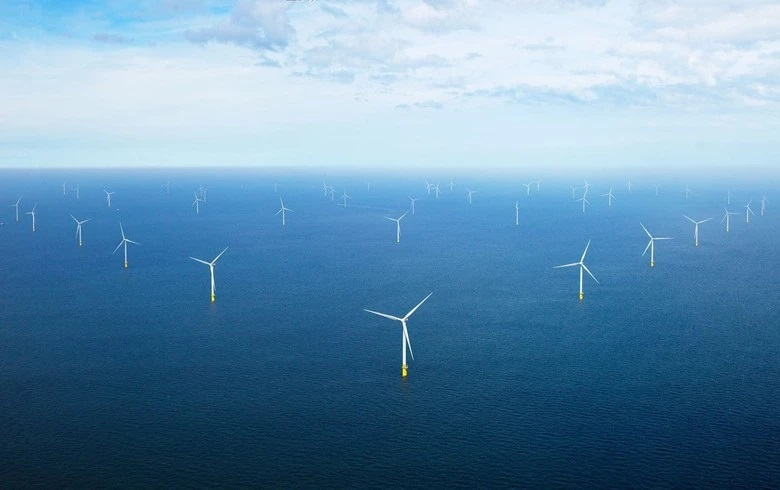
Ørsted has completed the installation and energization of all 66 array cables at the 920 MW Greater Changhua 2b and 4 offshore wind projects in Taiwan, bringing the developments closer to full commercial operation.
The company also confirmed that all 42 turbines at the 583 MW Greater Changhua 4 project have now been connected to Taiwan Power Company’s grid and are generating electricity offshore Taiwan.
The milestone marks continued progress in offshore commissioning activities, where cable installation, turbine integration and offshore coordination work are being carried out across the project area.
Array cables serve as the internal transmission network of an offshore wind farm, linking individual turbines to offshore substations before power is delivered ashore. Completion of all 66 cable connections removes one of the major technical phases within the offshore construction campaign.
The latest development also reflects Taiwan’s continued growth as an offshore wind market in Asia. Projects in the Taiwan Strait require detailed planning around seasonal weather conditions, vessel scheduling and port infrastructure availability during offshore installation campaigns.
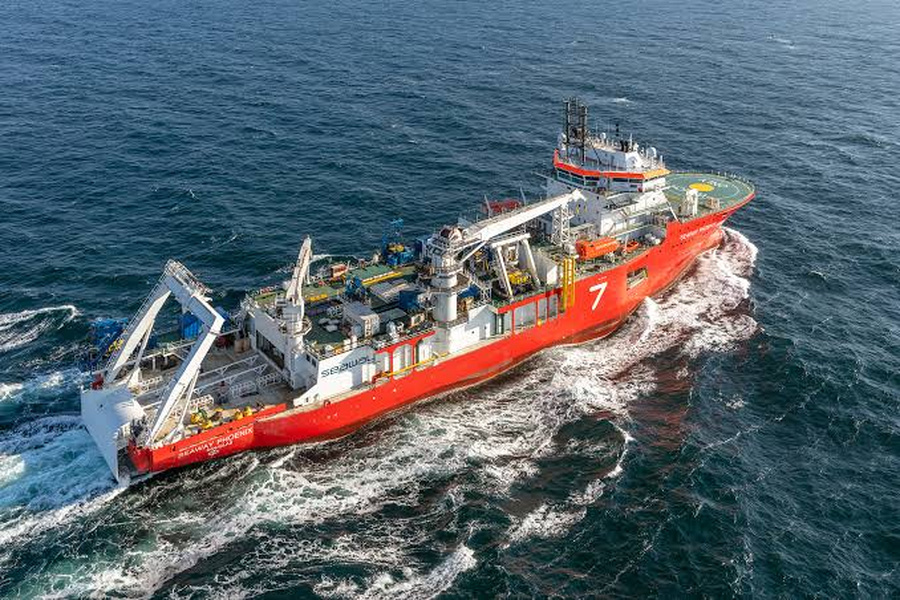
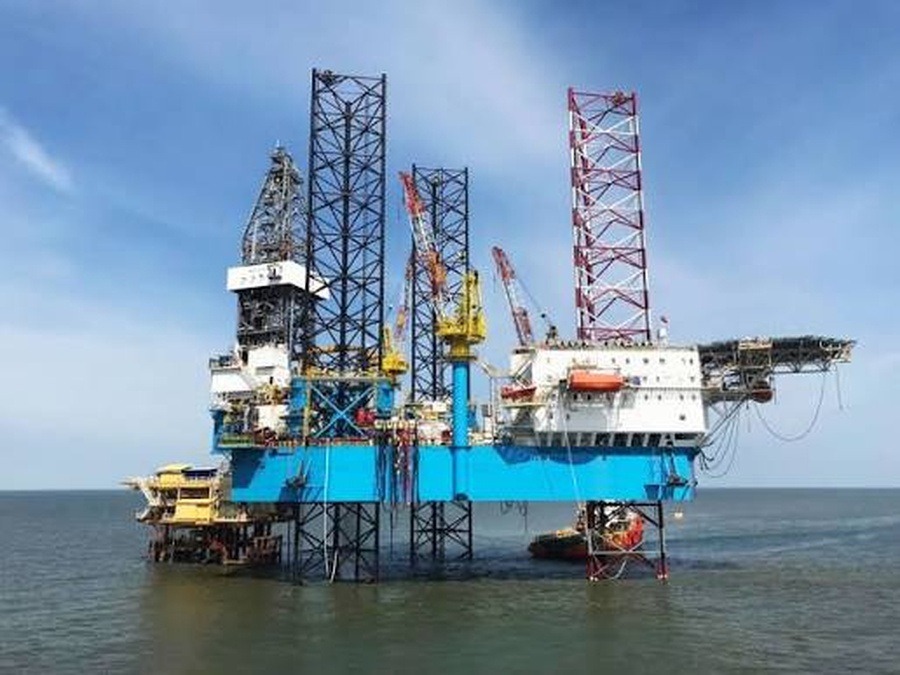
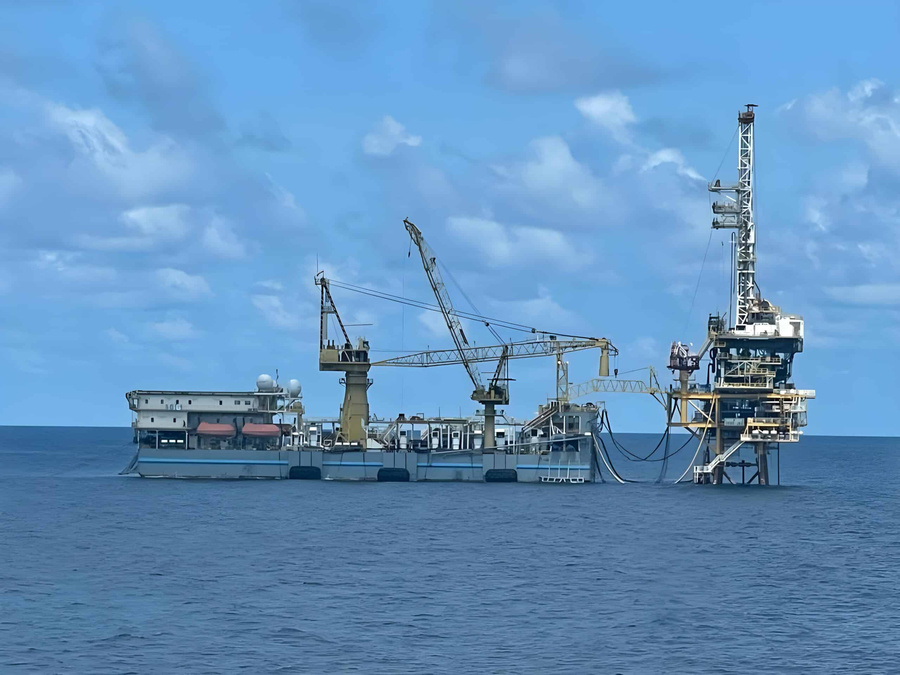
Greater Changhua 2b and 4 have relied on a broad offshore supply chain involving heavy lift vessels, cable lay vessels, subsea engineering teams and grid specialists. With cable energization and turbine connections completed, several key offshore systems are now operating under live conditions.
Commissioning and grid integration work remains ongoing as engineers continue synchronizing subsea cables, offshore substations, and turbine systems to support stable long-term operations. Although turbines are already generating electricity, final commercial operation requires additional testing and reliability assessments.
Taiwan has positioned offshore wind as a key component of its energy transition and industrial development plans, supported by demand for lower-carbon electricity from manufacturers and technology companies.
Once fully operational, Greater Changhua 2b and 4 are expected to contribute renewable electricity to Taiwan’s energy mix while supporting continued demand for offshore construction, marine logistics and offshore support services across the region.