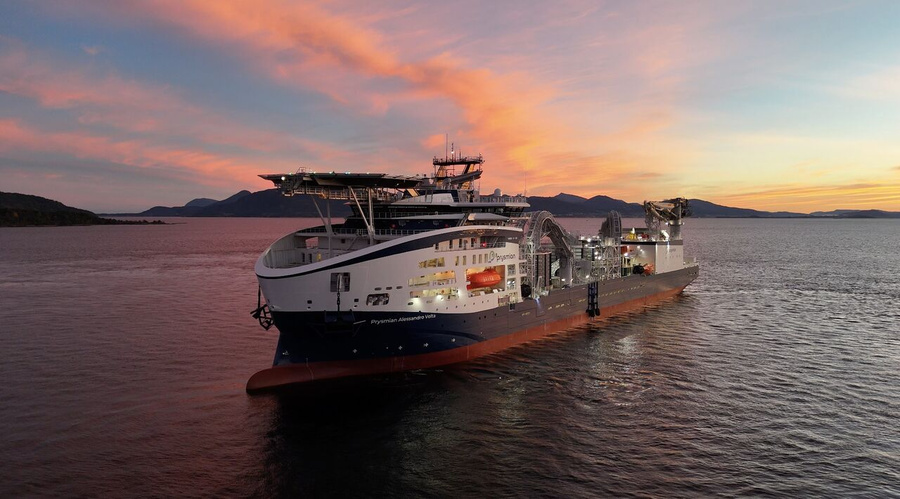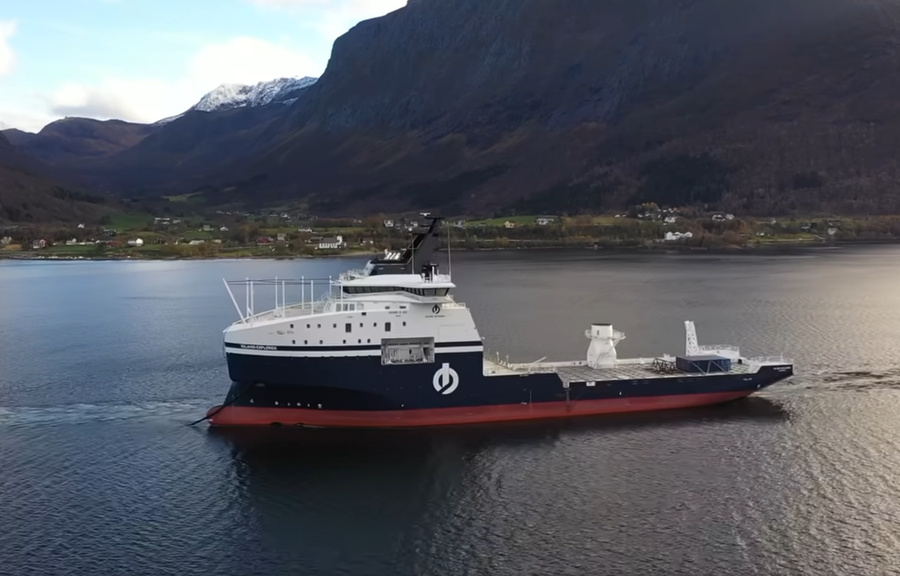
Hanwha Philly Shipyard and Hanwha Defense USA have joined the U.S. Navy’s conceptual design project for a next-generation military support ship through a collaboration with VARD, marking the first time a Korean company has entered a U.S. Navy ship design programme through a local U.S. shipyard.
The U.S. Navy selected several contractors to compare design proposals for the programme. VARD is leading the team, with Hanwha participating as a subcontractor. Under the agreement announced on 30 March 2026, local time, Hanwha is responsible for market research, design support, production method analysis and cost review. The conceptual design phase is scheduled for completion in the first quarter of 2027.
The project is drawing attention because conceptual design is the first stage in determining what level of performance can be delivered and at what cost before ship construction begins. It comes ahead of functional design and basic design, while the actual shipbuilding contract will be tendered separately. The U.S. Navy plans to procure 13 ships in total under the programme.
Participation at this stage does not secure a future construction order, but it can strengthen a bidder’s position in later competitions. The industry is closely watching the project because U.S. Navy ship design work involves highly sensitive information. At the same time, competition remains intense, with General Dynamics NASSCO, the largest shipyard on the U.S. West Coast, also taking part in the conceptual design process.
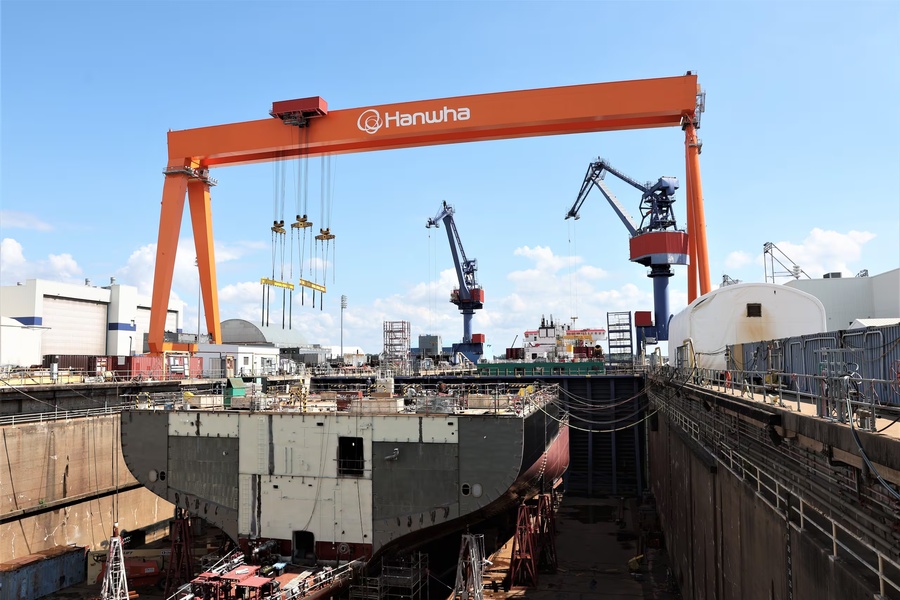
The development marks a notable step for Hanwha 1 year and 3 months after its acquisition of Philly Shipyard in December 2024 through Hanwha Ocean and Hanwha Systems for about $0.1 billion. Philly Shipyard is the only U.S. shipyard owned by a Korean company. The acquisition gave Hanwha a domestic production base in the United States, an important factor because the Byrnes-Tollefson Amendment bars foreign shipyards from building U.S. military vessels and major components.
Since the takeover, Hanwha has moved to expand the yard’s capacity. At the time of the acquisition, annual output was about one ship. In August 2025, the company announced an additional $5 billion investment plan to expand docks and quays and establish a 120,000-pyeong block production base. Over the mid- to long term, it aims to raise annual capacity to 20 ships.
The case also reflects a broader push by South Korea’s three major shipbuilders into the U.S. market. Among them, Hanwha has delivered the first visible result in the U.S. Navy design segment.
HD Hyundai signed a memorandum of understanding with Huntington Ingalls Industries on 23 October 2025 to cooperate on commercial and military ship design and construction. It also joined Severus Capital and Korea Development Bank in a multi-billion-dollar joint investment fund. The company is targeting $2.2 billion in annual sales from U.S. Navy shipbuilding by 2035 and is combining HD Hyundai Heavy Industries and HD Hyundai Mipo to strengthen its position in the U.S. market through scale expansion.
Samsung Heavy Industries has also stepped up its U.S. strategy. The company partnered with Vigorous Marine, a U.S. military ship maintenance specialist, to target the U.S. Navy’s MRO market. In December 2025, it signed a three-party business agreement with General Dynamics NASSCO and DSEC to jointly pursue the U.S. Navy’s next-generation military support ship project. It has also been seeking an MSRA with the U.S. Navy to broaden its business scope.