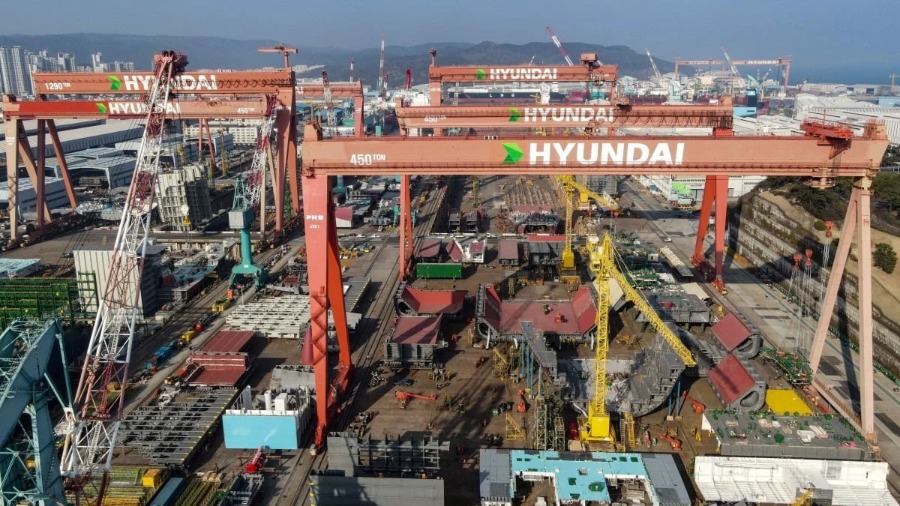
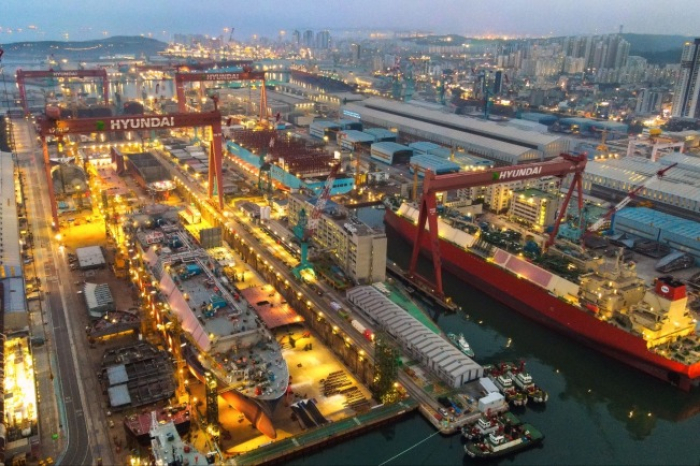
HD Korea Shipbuilding & Offshore Engineering is set to widen its business scope by adding digital engineering and manufacturing platform development and supply to its corporate objectives at the regular shareholders’ meeting on 31 March 2026. The move would let the company market shipyard-building packages that combine yard planning, engineering support, production systems and operating solutions.
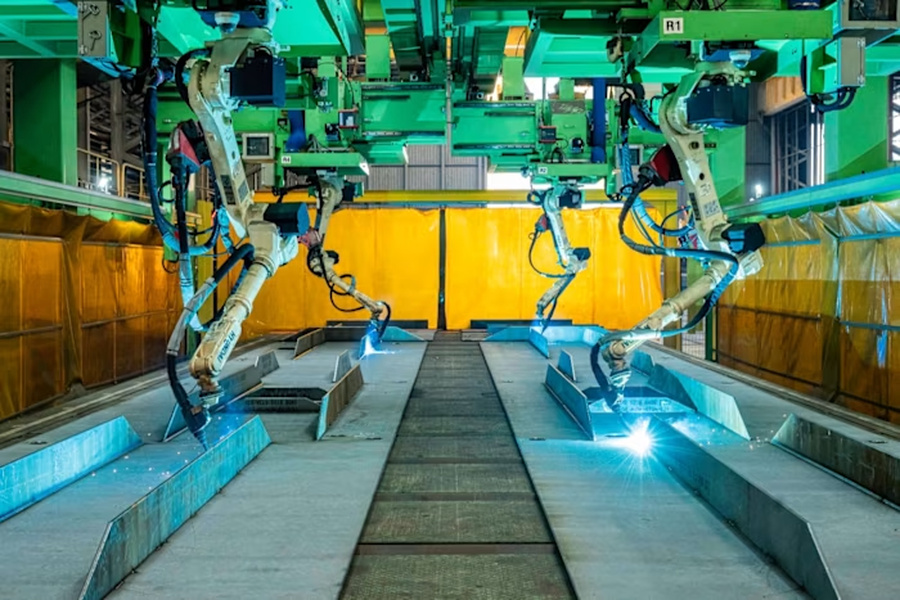
The plan has two pillars. One is to provide end-to-end solutions for companies pursuing new yard projects. The other is to build and supply digital platforms for smart shipyards, including AI-based 3D ship modelling, next-generation CAD, product lifecycle management, digital manufacturing and automated operating systems. Through that approach, HD Korea Shipbuilding & Offshore Engineering would package its accumulated yard design and production know-how into software and system offerings.
The initiative is also tied to the shipbuilding cycle. During market upturns, order intake and earnings generally improve, but performance can weaken when demand slows. In that environment, shipbuilders are seeking additional business lines during strong periods, using available cash and existing technology to prepare longer-term growth drivers beyond core yard operations.
HD Hyundai said the aim is to turn internal technical assets and operating experience into a platform business. The group added that this could support a shift from a conventional manufacturing structure toward a digital base while reinforcing competitiveness. It also said technologies that need protection would be covered by patents and other safeguards, while general shipbuilding know-how is different from specialised technologies.
The market is paying close attention to India and other emerging regions where demand for new shipyard construction is increasing. Industry analysts view the move as an early positioning effort in those markets. Once a customer adopts a yard system and operating platform, reliance on that supplier can deepen over time.
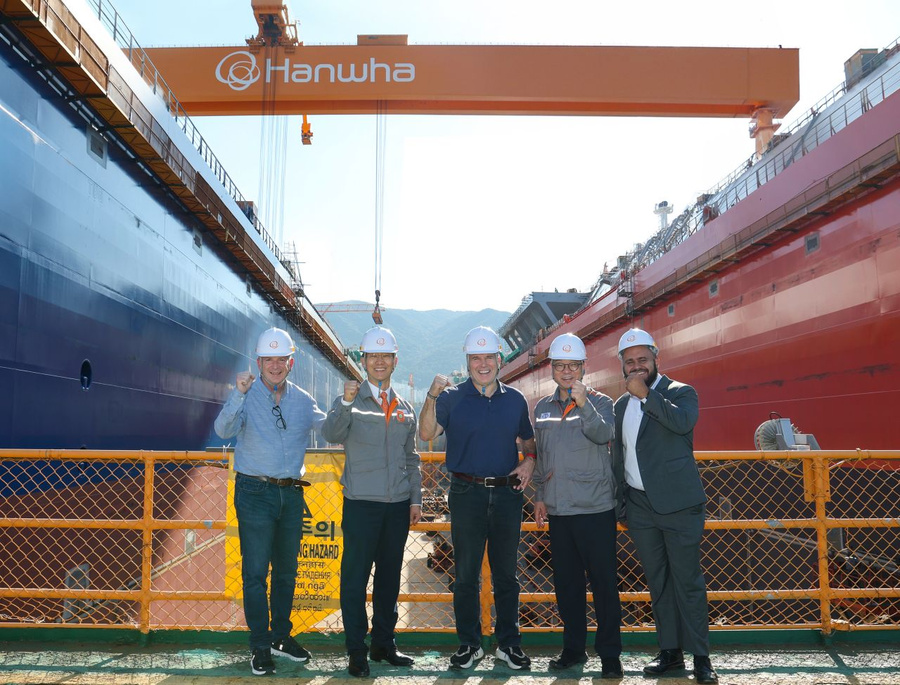
Other Korean shipbuilders are also revising their business portfolios. Hanwha Ocean added a broader renewable energy value chain centred on offshore wind to its business objectives. The new scope covers renewable energy generation, installation, operation and sales, as well as energy supply and sales, power generation rights and equity transfers, and related consulting and service activities.
The company has already highlighted offshore wind as a future growth area. In December 2025, Hanwha Ocean and Hyundai Engineering & Construction signed an EPC contract for the Shinanwooi Offshore Wind Power Generation Project, a 390 MW complex in Sinan County, South Jeolla Province. Out of the KRW 2.64 trillion contract, Hanwha Ocean’s share is KRW 1.9716 trillion. The company also plans to deploy a domestically developed WTIV capable of handling 15 MW-class turbines for the project.
Samsung Heavy Industries chose a different route. It added educational services to its business objectives and plans to reopen a training centre in Sancheong County, South Gyeongsang Province. The facilities would also be leased for external training programmes to create additional revenue.