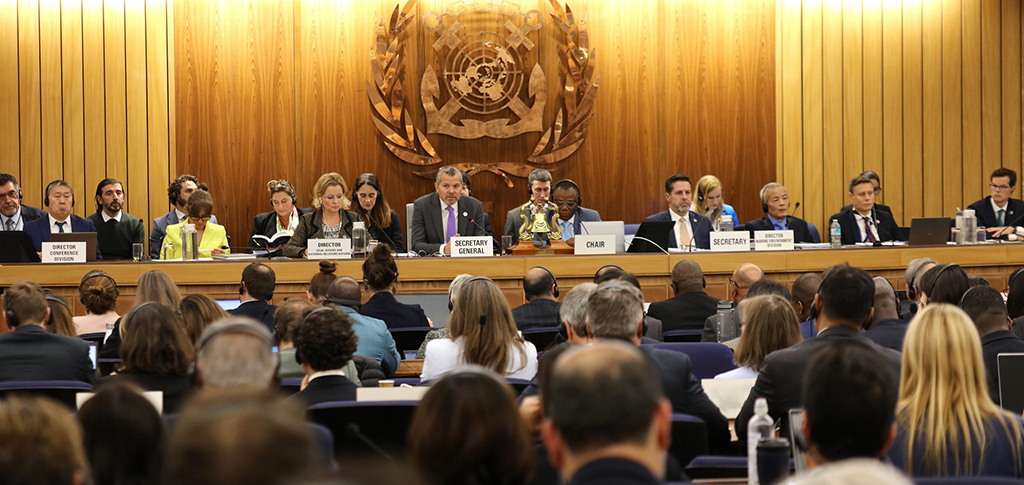
The International Maritime Organization (IMO) has hit a major impasse after delegates failed to reach an agreement on its flagship Net-Zero Framework — the plan designed to decarbonize the global shipping industry by mid-century. The extraordinary session of the Marine Environment Protection Committee (MEPC), held in London from 14–17 October 2025, concluded with member states voting to suspend negotiations for a full year, effectively pushing any deal to late 2026.
The framework, intended to introduce a global fuel standard and a greenhouse gas (GHG) emissions pricing system, was expected to form the backbone of shipping’s transition toward carbon neutrality. Yet, persistent divisions between developed and developing nations over cost allocation and market mechanisms derailed consensus.
With no agreement on amendments to MARPOL Annex VI, the legal foundation for these measures, the MEPC opted to defer talks to its next session. An intersessional working group will continue developing technical guidelines in the interim, but industry leaders warn that another year of delay could undermine the sector’s decarbonization momentum.
Maritime organizations reacted sharply to the collapse. The Global Maritime Forum called the failure “a serious setback,” while the International Chamber of Shipping (ICS) cautioned that prolonged uncertainty will discourage critical investment in green shipping technologies. ICS Secretary-General Thomas Kazakos said the industry “needs clarity to make the investments necessary for decarbonization in line with the IMO’s goals.”
The delay now jeopardizes the timeline for new climate rules initially targeted to take effect in March 2027. Analysts warn that without global alignment, individual states may implement unilateral carbon regulations — a move that could fragment the international shipping framework and weaken the IMO’s regulatory leadership.