Royal Van Oord reported a net profit of EUR 110 million for 2025, compared with EUR 43 million a year earlier, as higher offshore energy activity outweighed lower revenue from dredging and infrastructure.
Group revenue rose to EUR 2.59 billion from EUR 2.44 billion. Offshore energy generated EUR 1.47 billion, up from EUR 1.08 billion in 2024, supported by offshore wind installation and subsea infrastructure work. Revenue from dredging and infrastructure declined to EUR 1.12 billion from EUR 1.36 billion.
EBITDA increased to EUR 403 million from EUR 290 million. The company ended 2025 with net cash of EUR 42 million, compared with net debt of EUR 237 million at the end of 2024. Its order book stood at EUR 4.43 billion, against EUR 4.28 billion a year earlier.
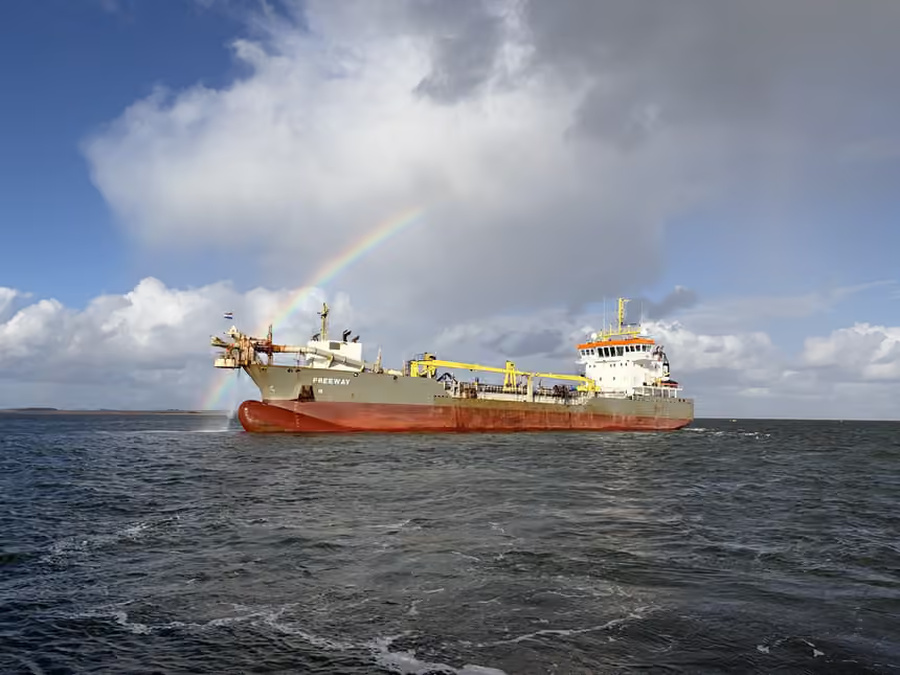
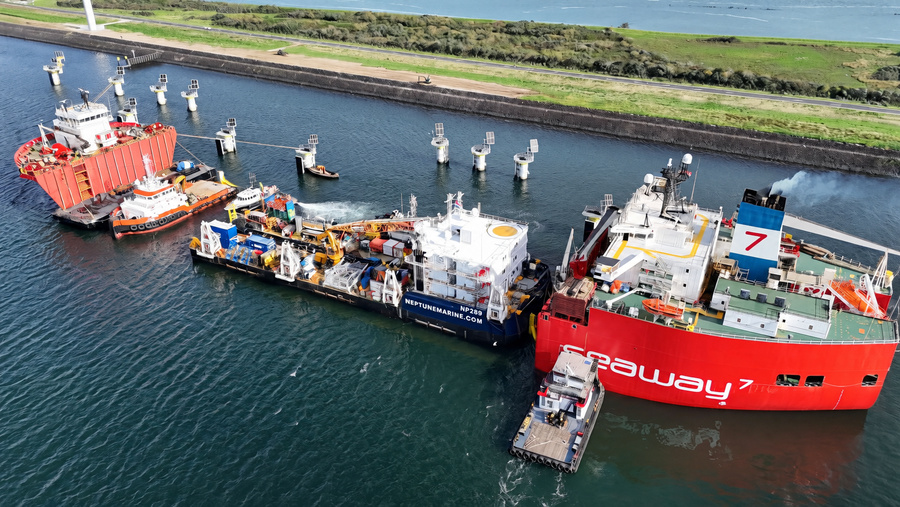
During the year, Royal Van Oord carried out 213 projects in 36 countries with a fleet of about 60 vessels. The company said it has close to 6,300 full-time equivalent employees from more than 90 nationalities.
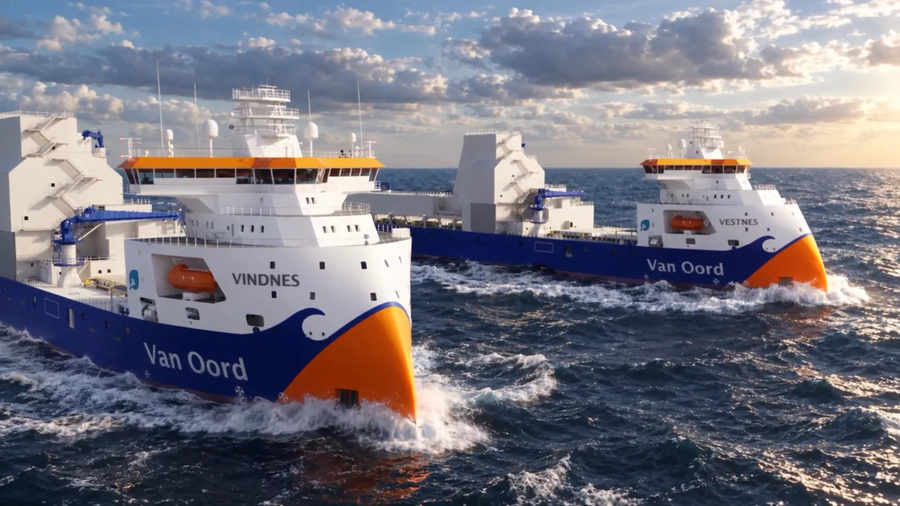
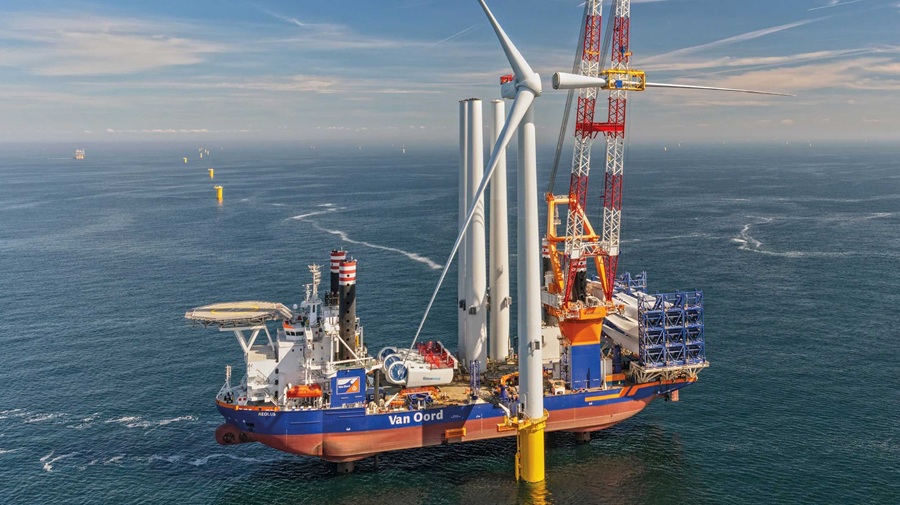
The company also continued to invest in fleet capacity. It christened Boreas, which it described as the largest and most sustainable offshore wind installation vessel in its segment and the biggest investment ever made by the company. It also ordered two new flexible fallpipe vessels, with the first scheduled to enter service in 2028.
In early 2026, Royal Van Oord completed the acquisition of the Xbloc product and brand, adding a concrete armour unit used in coastal protection and breakwater construction. The company also continued its Founding the Future digital programme, which includes broader use of artificial intelligence in operations and planning, and refinanced its revolving credit and long-term debt facilities.
The company said it has been watching the escalation of tensions in the Middle East since 28 February 2026, after disruptions affected air and sea traffic in areas where it operates. It added that personnel safety and vessel protection are being assessed every day.
Chief executive Govert van Oord said 2026 may bring greater instability and uncertainty than the previous year, while maintaining confidence in the company’s long-term direction. He identified population growth, expanding trade, urbanisation, marine transport demand and climate adaptation needs as long-term support factors for the business.
Royal Van Oord also said geopolitical tensions, trade barriers and higher energy prices could influence investment conditions and the wider economy, although the scale of any effect is still unclear. In 2025, the company contributed to projects with 3,283 MW of installed renewable energy capacity, protected 89 km of coastline, and launched Ocean Health as a separate business line focused on large-scale marine ecosystem restoration through commercially viable models.