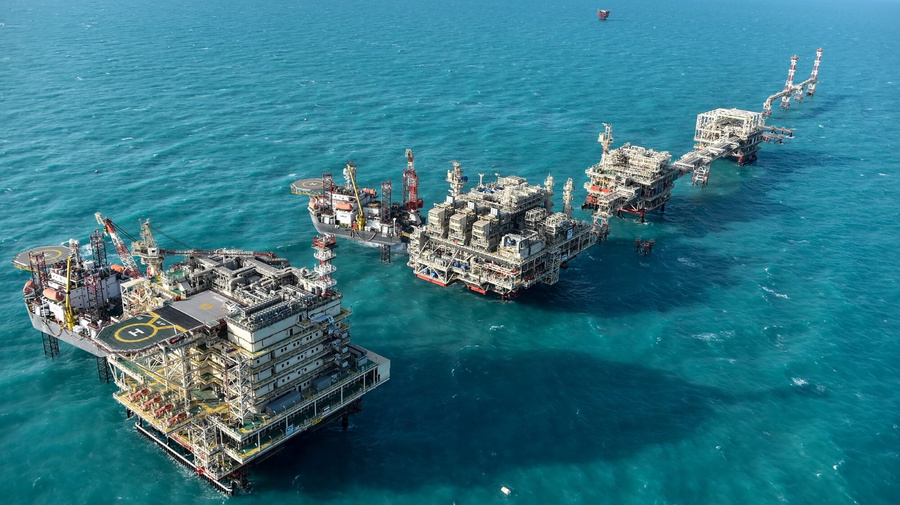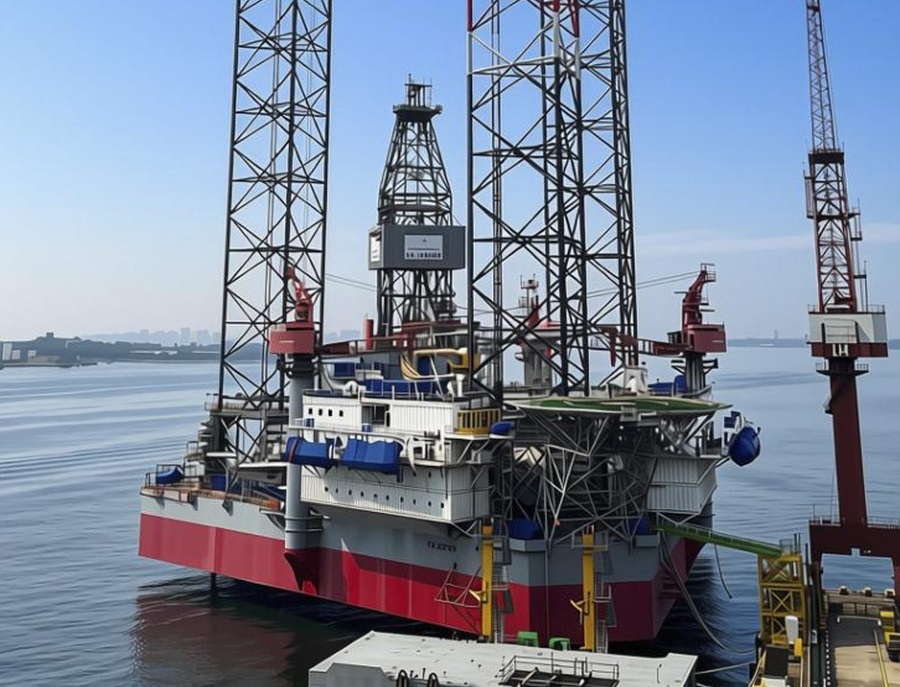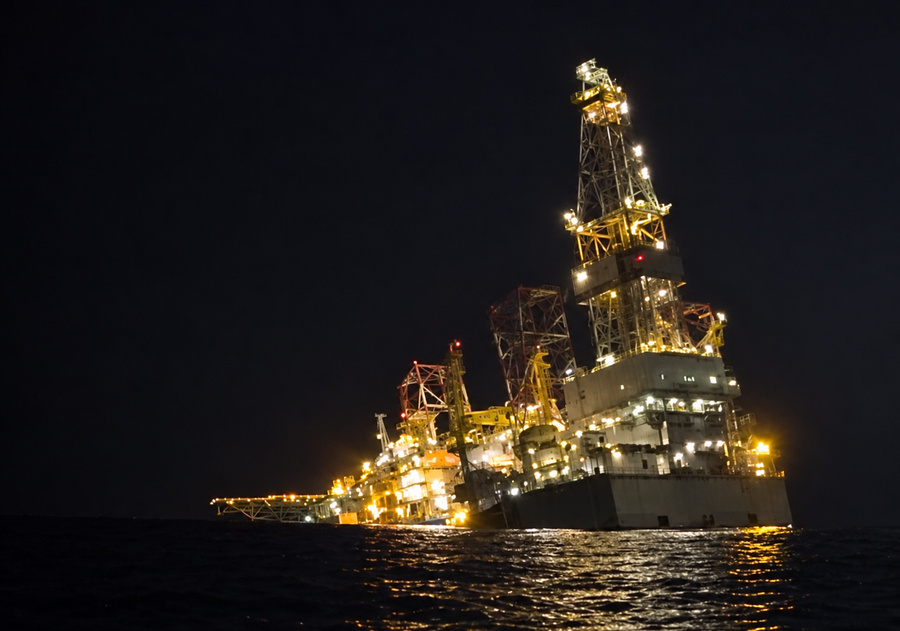
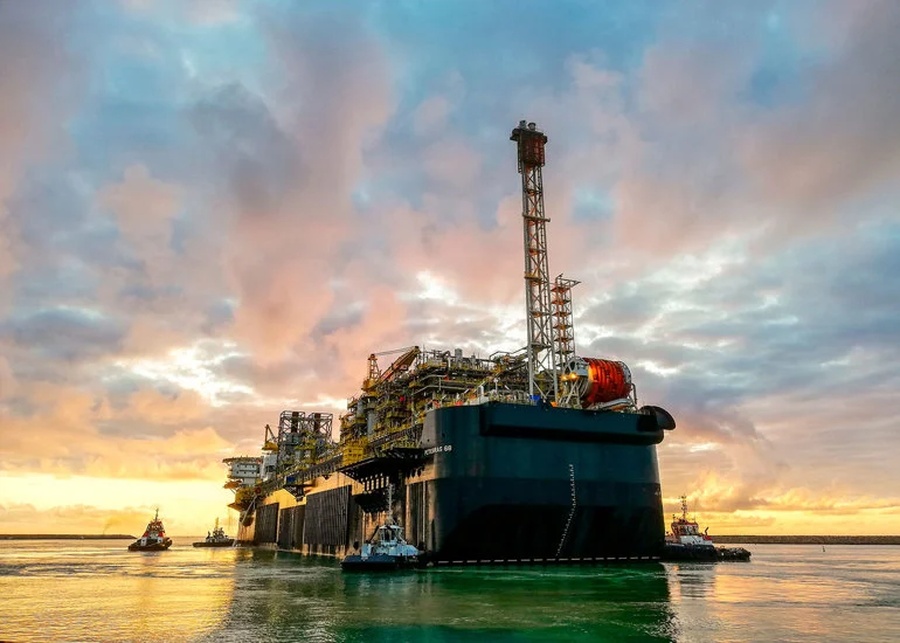
Petrobras has approved the SEAP I development in Brazil’s Sergipe-Alagoas Basin, adding to the earlier approval of SEAP II and consolidating the Sergipe Deepwater development.
The two projects represent total investments of more than R$ 60 billion, or about $12.0 billion, and are expected to produce more than 1 billion boe. Petrobras said the projects became viable after a series of initiatives carried out with the supplier market, including project optimization and revisions to contractual terms and conditions.
According to the company, those measures improved the economic attractiveness of both modules and enabled a joint negotiation structure for FPSO P-81 and FPSO P-87, which will serve SEAP I and SEAP II, respectively. Petrobras said this made it possible to capture synergies and economies of scale that were fundamental to concluding the negotiation on economically sustainable terms.
The company added that the conditions obtained improved project returns and allowed SEAP I to be included in its Base Implementation Portfolio.
For the two SEAP units, Petrobras carried out a contracting process under a build, operate and transfer model. Under this structure, the contractor is responsible for the design, construction, assembly and operation of the asset for an initial period defined in the contract, after which it is transferred to the operator.
Contract signing is expected in May 2026, subject to Petrobras governance procedures and the required partner approvals. The company said SBM Offshore will be responsible for the construction of both platforms. Together, the two FPSOs will have an installed capacity to produce up to 240,000 barrels of oil per day and process 22 million cubic meters of natural gas per day.
Beyond the two FPSOs, the development includes the construction and interconnection of 32 wells, along with an export gas pipeline of about 134,000 m, including 111,000 m offshore and 23,000 m onshore. The bidding process for subsea Christmas Trees and related equipment for both projects is already underway, while bidding for the remaining infrastructure is expected to begin later in 2026.
Oil production from SEAP II is scheduled to begin in 2030, with gas exports expected to start in 2031. Production from SEAP I is expected after the 2026-2030 business plan horizon.
SEAP I covers high-quality light oil reservoirs in the Agulhinha, Agulhinha Oeste and Palombeta fields, located in the BM-SEAL-10 and BM-SEAL-11 concessions. Petrobras operates BM-SEAL-11 with a 60% stake, together with IBV Brasil Petróleo holding 40%, and holds 100% of BM-SEAL-10. The FPSO assigned to SEAP I will have the capacity to produce 120,000 barrels of oil per day and process 10 million cubic meters of natural gas per day.
SEAP II includes high-quality light oil reservoirs in the Budião, Budião Noroeste and Palombeta fields, located about 80,000 m off the coast in the BM-SEAL-4, BM-SEAL-4A and BM-SEAL-10 concessions. Petrobras operates BM-SEAL-4 with a 75% stake, alongside ONGC Campos with 25%, and holds 100% participation in BM-SEAL-4A and BM-SEAL-10. The FPSO for SEAP II will have the capacity to produce 120,000 barrels of oil per day and process 12 million cubic meters of natural gas per day.
Petrobras said SEAP is strategic for increasing natural gas availability in Brazil, strengthening national energy infrastructure and opening a new production area in the country’s northeast.