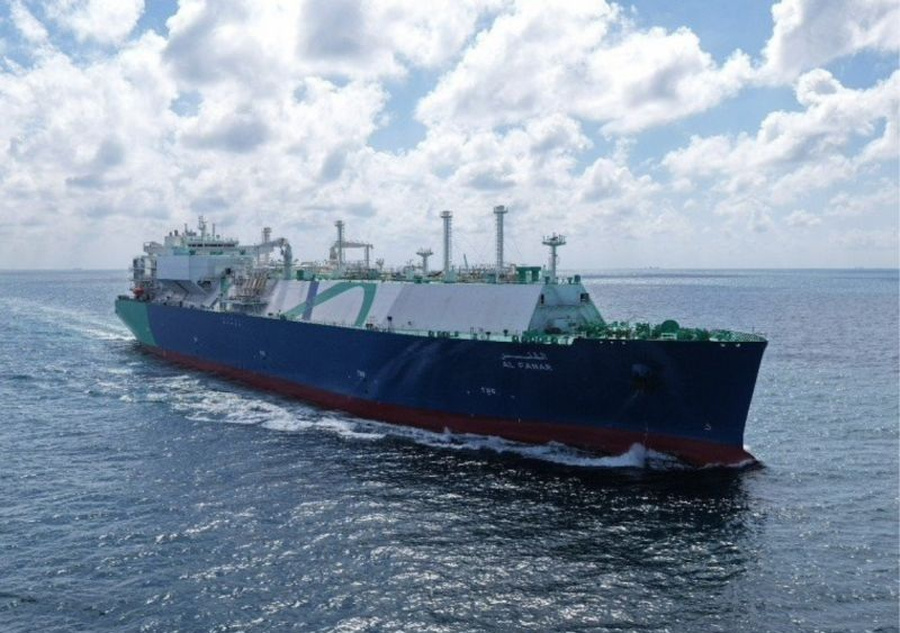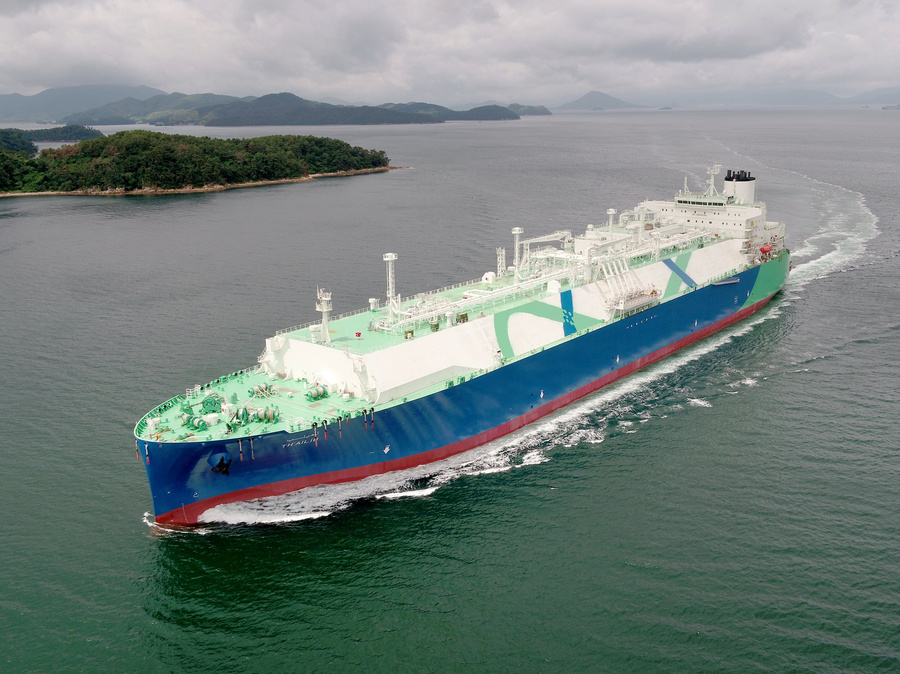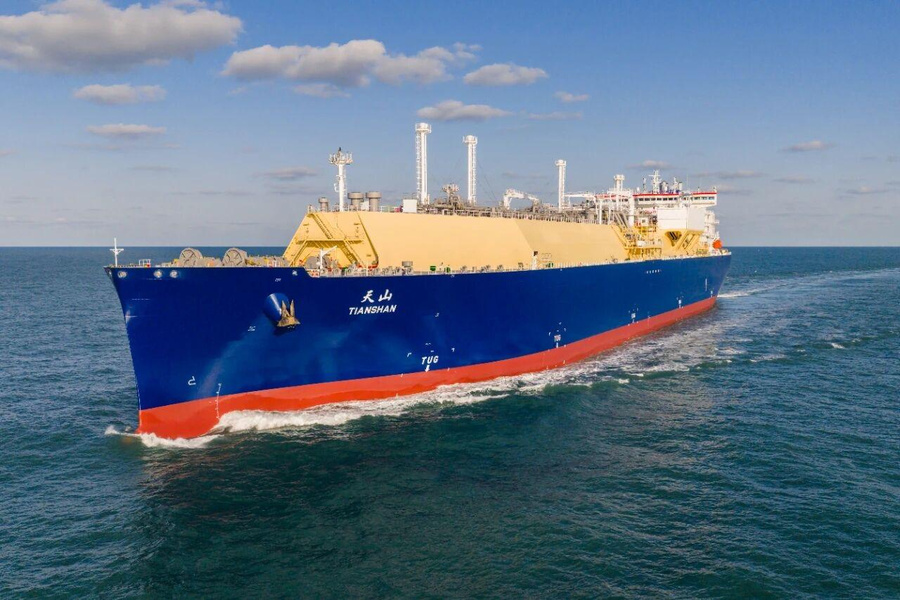
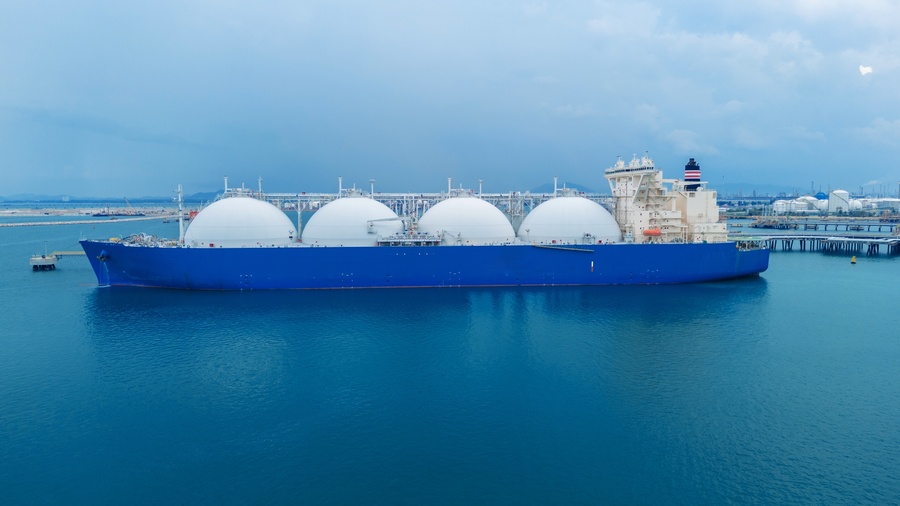
Bloomberg, citing Kpler data, reported that nearly 50 liquefied natural gas carriers used by Qatar to export LNG are sitting idle across Asia. The data showed that all of the vessels were empty.
The carriers were concentrated in several locations, including West India, Sri Lanka, waters near the Strait of Malacca between Indonesia and Malaysia, and offshore Singapore.
A typical LNG carrier has a capacity of about 170,000 cubic meters, equal to around 72,000 tonnes of liquefied gas. Based on Bloomberg’s reference to more than four dozen vessels, the idle fleet represents at least 3.456 million tonnes of LNG carrier capacity.
Bloomberg also said there are about 800 LNG carriers in operation worldwide. Before the latest Middle East war, analysts had warned that this fleet was not enough to meet projected LNG demand. The report added that, with Qatar’s LNG production suspended as a result of the conflict, tanker availability may become a less pressing issue.
The disruption in global LNG trade has also altered flows in Asia. Reuters, citing Vortexa, Kpler and ICIS data, reported last week that China resold up to 10 LNG cargoes in March, the highest monthly total on record, as buyers took advantage of strong stockpiles and weaker domestic demand.
At the same time, events in the Middle East have started to weaken LNG demand across Asia as tighter supply and competition from Europe push prices higher. Bloomberg said LNG imports into Asian countries fell to 20.6 million tonnes last month, down 8.6% from a year earlier. It was the sharpest decline since December 2020.