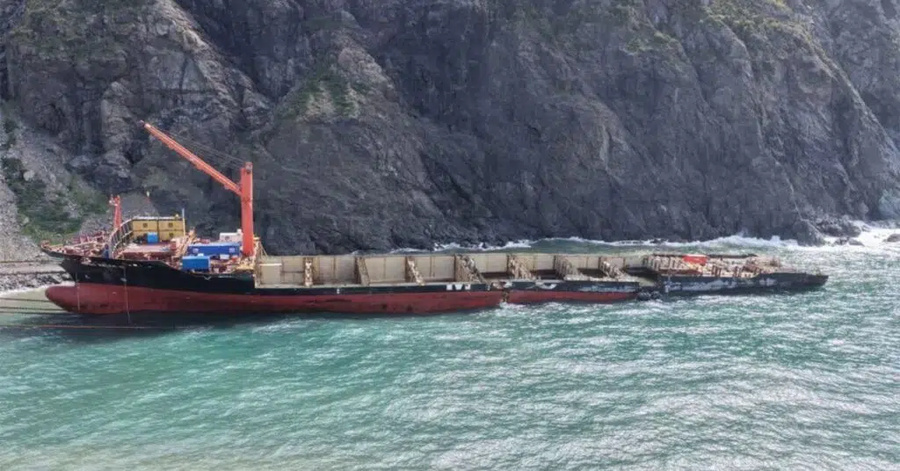
Work has begun to dismantle the grounded containership MSC Baltic III off Newfoundland, marking the next stage of a complex wreck removal operation that could extend into 2027.
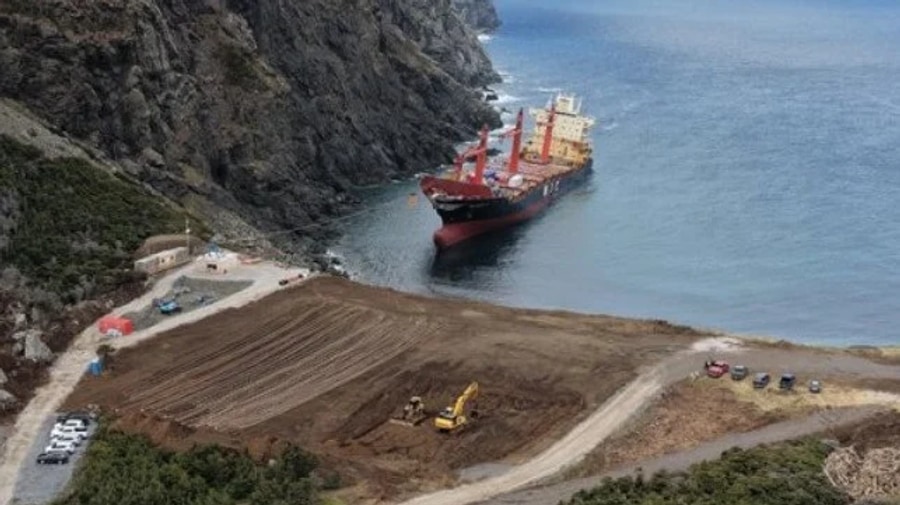
According to the latest update from the Canadian Coast Guard, favorable weather conditions have allowed recovery teams greater access to the vessel, which has been stranded at Cedar Cove since February 2025. A barge has been positioned alongside the wreck, enabling the removal of materials from the ship.
Preparations are also advancing onshore. Crews are constructing a switchback road to the beach to provide access for heavy equipment and trucks, while upgrades have been made to existing roads leading to the remote recovery site, located approximately 30 miles from Corner Brook.
MSC Mediterranean Shipping Company and its insurers appointed Resolve Marine earlier this year to carry out the second phase of the recovery program, including wreck removal and environmental restoration activities.
During the first phase of the operation, completed in 2025, 409 of the 462 containers carried by the vessel were removed, including all containers containing dangerous goods. Approximately 1,700 tonnes of fuel were also recovered from the ship.
The next stage will focus on removing the remaining containers, many of which are reported to be waterlogged. Authorities also noted that contaminated water and residual fuel remain onboard.
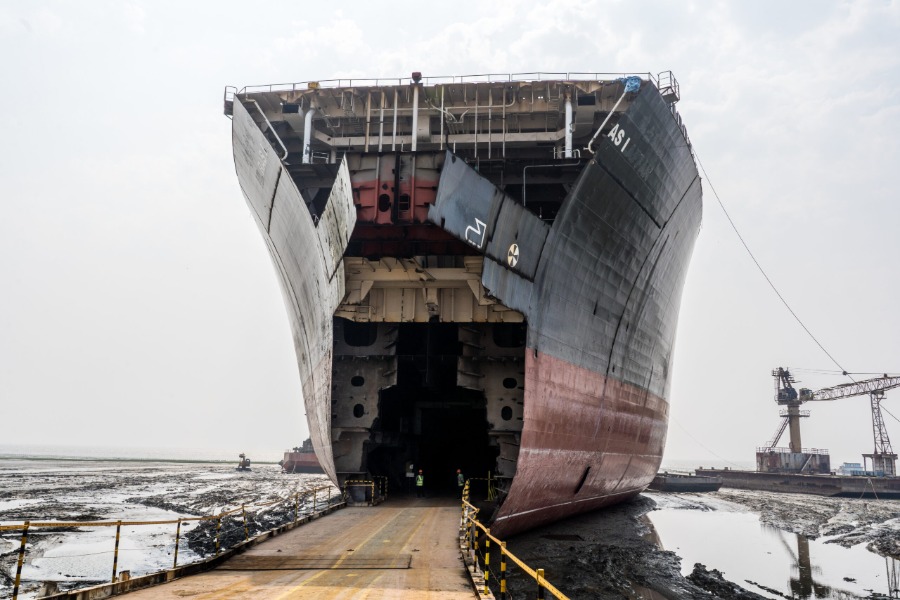
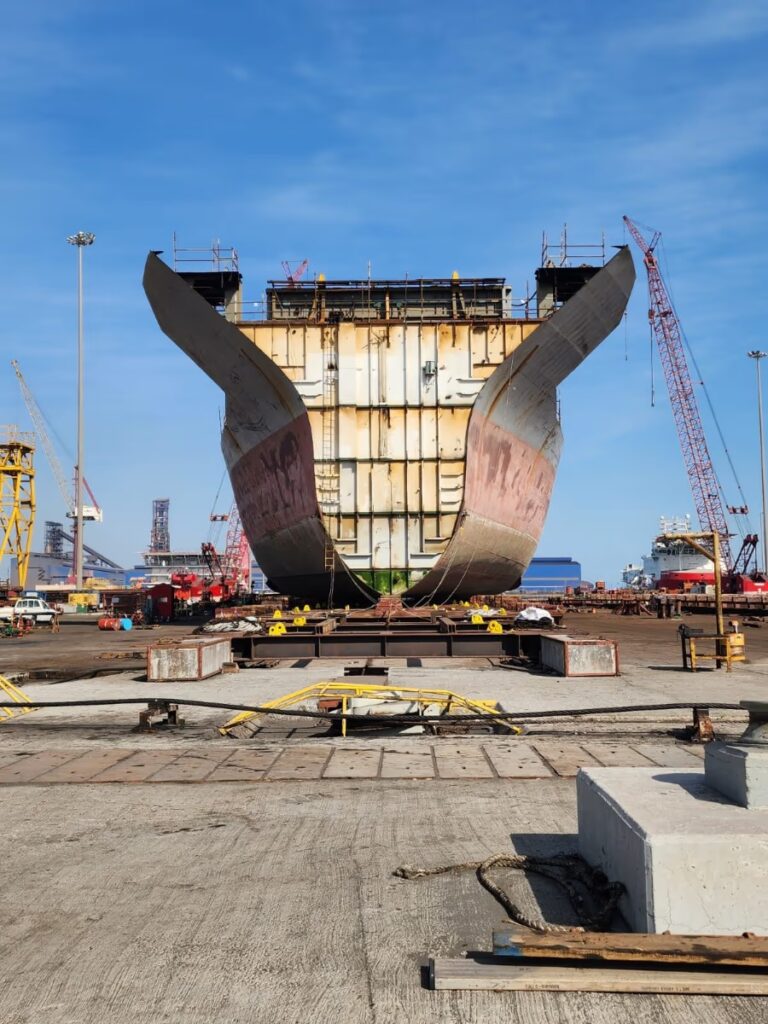
As part of the dismantling process, Resolve Marine is installing rigging points and preparing to separate the vessel at an existing break point in the hull. The recovery plan calls for the forward section to be pulled onto the beach, dismantled and transported away for recycling.
Additional work will include further cleaning of fuel tanks and the removal of the accommodation block. The hull cut is planned forward of the engine room. Once the bow section has been dismantled and recycled, a similar operation will be carried out on the stern section.
Resolve Marine expects the initial dismantling stage to continue through 2026, with work progressing until winter weather limits activity. Further removal operations are likely to continue into 2027.
The Canadian Coast Guard currently considers the wreck stable. However, inspections conducted after winter conditions revealed extensive structural damage, including a crack along the port side, buckling on the starboard side and a worsening crack on the vessel’s deck.
MSC Baltic III was en route to Newfoundland in February 2025 when it suffered a blackout during a severe winter storm. The vessel drifted into Cedar Cove, where all crew members were rescued by helicopter before the ship grounded along the shoreline. The stern subsequently settled onto the seabed.
Under Canadian law, responsibility for the wreck removal operation and environmental cleanup remains with MSC Mediterranean Shipping Company and its insurers.