Shipping disruption linked to tensions in West Asia is opening additional bunkering opportunities for Cochin Port, as vessel operators look beyond Fujairah for refueling options. Colombo is also benefiting as shipping companies adjust bunker supply plans.
Cochin Port data showed bunker fuel supply rose to 463,000 tonnes in FY26 from 354,000 tonnes in FY25. Monthly volumes also increased to 41,000 tonnes in February, 51,000 tonnes in March and 34,000 tonnes in April, compared with an average of around 30,000 tonnes during the same period last year.
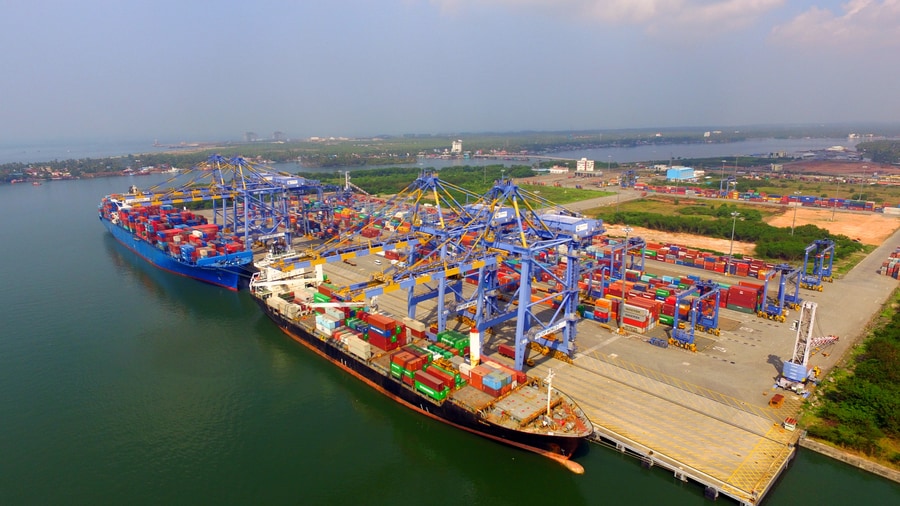
Kochi has become a key bunkering location in South Asia because of its position near the East-West international shipping route. Competitive fuel prices, simpler customs procedures and relatively lower taxes have also supported demand from global shipping operators.
Bunkering includes the supply of marine fuel, lubricants, food stores, fresh water and other vessel provisions. These services can be carried out alongside berths or offshore by bunker barges, although anchorage operations are often preferred because of the cost of bringing vessels alongside jetties.
Industry sources said the Port of Fujairah has long been a preferred global bunkering destination. However, tensions in West Asia and reduced vessel movement through the Strait of Hormuz have pushed shipping companies to seek alternative refueling locations, supporting activity at Kochi and Colombo.
Public-sector oil marketing companies in Kochi reportedly gained substantial bunker business during the first quarter of the current fiscal year, especially in February and March when regional tensions were at their peak. Demand has since moderated as conditions stabilized.
Cochin Port can currently support bunkering for around two to three vessels per day at outer anchorage. Any further increase in demand may lead to vessels waiting offshore. The port mainly supplies VLSFO, HSFO and LSHFHSD.
Colombo remains a competitor because of bunker availability, although it depends mostly on imported bunker fuel. Industry sources said the monsoon season could favour Kochi, as Colombo faces operational limits from an insufficient number of barges during rough weather.
Kochi has three River Sea Vessel barges that can operate during monsoon conditions. Additional services, including deslopping, ship stores supply and crew changes for Indian seafarers, are also available at Kochi.