China’s newly announced Special Port Dues on “U.S.-related” vessels could affect as many as 3,120 international ships, equivalent to roughly 3 percent of the global merchant fleet, according to a new Clarksons Research report. The measure, set to take effect on October 14, coincides with the U.S. Trade Representative’s own port fee policy, underscoring a widening maritime dimension to U.S.–China trade tensions.
The report finds that China’s countermeasure will apply to vessels linked to the United States through ownership, registration, or capital structure. Clarksons classifies five categories of potentially affected ships:
- U.S.-built vessels
- U.S.-flagged vessels
- Ships owned or operated by U.S. companies or individuals
- Ships belonging to entities with more than 25% U.S. ownership
- Vessels linked to U.S.-listed corporations
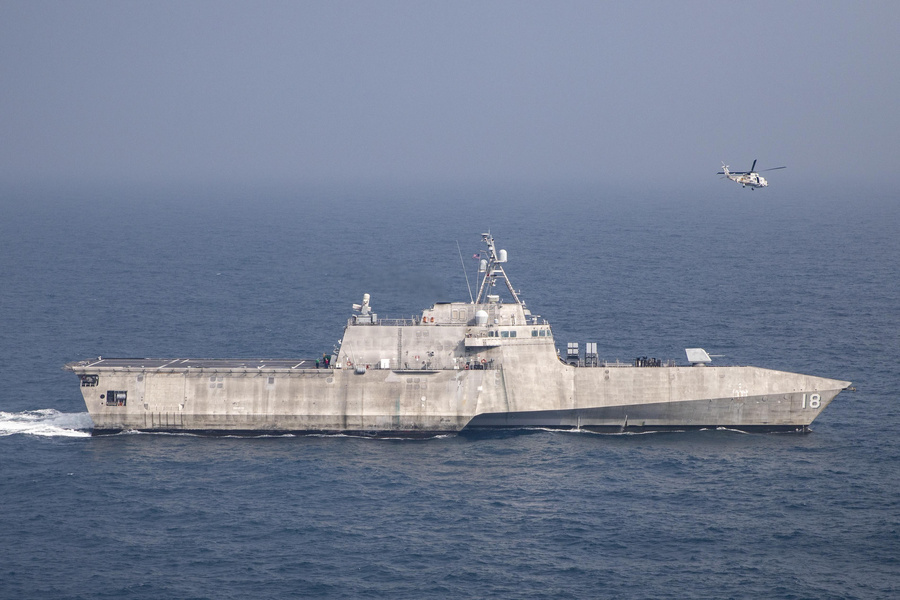
While only about 430 vessels under U.S. flag or construction operate globally — and just 18 have entered Chinese ports in 2025 — the inclusion of U.S.-owned or U.S.-listed ships expands exposure to more than 3,000 vessels worldwide.
If all relevant ownership connections are counted, Clarksons estimates that affected tonnage could represent approximately 15% of the world’s tanker fleet, 4% of bulk carriers, 7% of container ships, and up to 17% of gas carriers (depending on segment).
Although only one-third of these ships regularly call at Chinese ports, the financial consequences could be significant. Clarksons projects that vessels continuing to trade with China may face additional port costs averaging USD 2 million per call.
The report highlights three main implications for global shipping markets:
- Higher operational costs for U.S.-linked owners and charterers.
- Fleet redeployment and market fragmentation, as operators reroute ships to avoid Chinese ports.
- Declining investor confidence, amid growing geopolitical and regulatory uncertainty.
The timing of Beijing’s move — days before new rounds of U.S.–China trade talks — signals that the maritime sector has become a new battleground in the broader policy standoff between the two economies. Clarksons concludes that, in both scale and financial impact, China’s Special Port Dues could surpass the effects of the U.S. policy it seeks to counter.