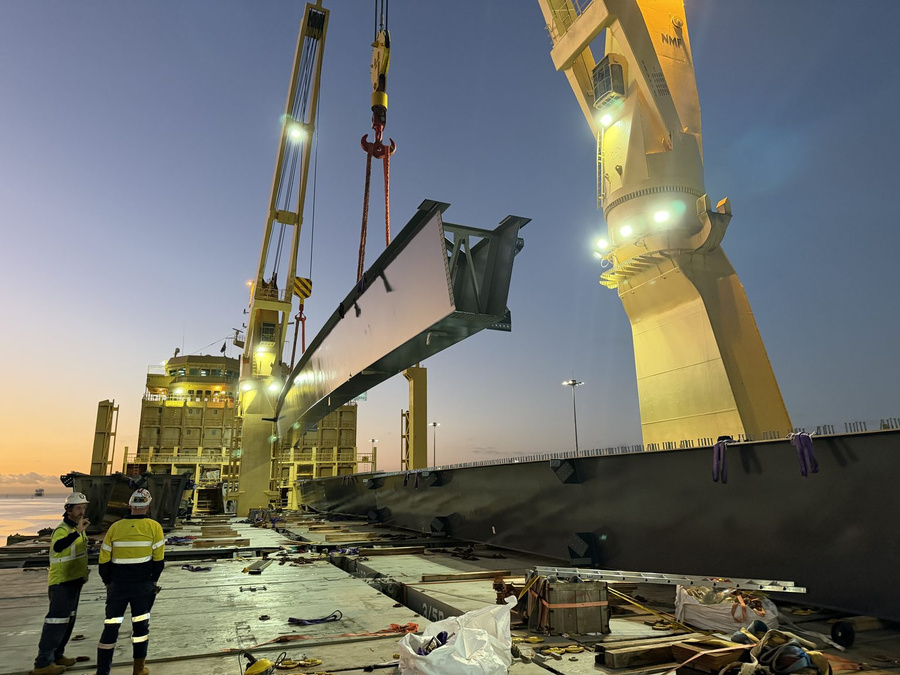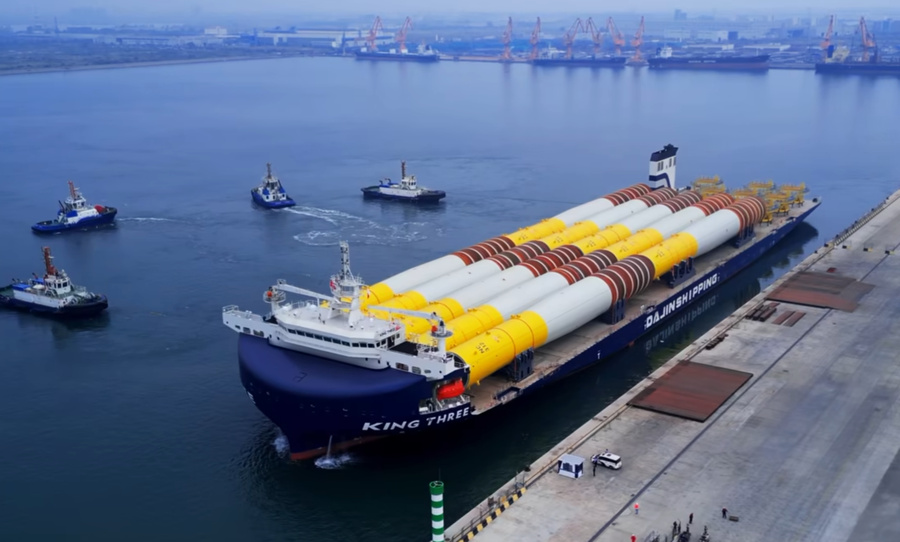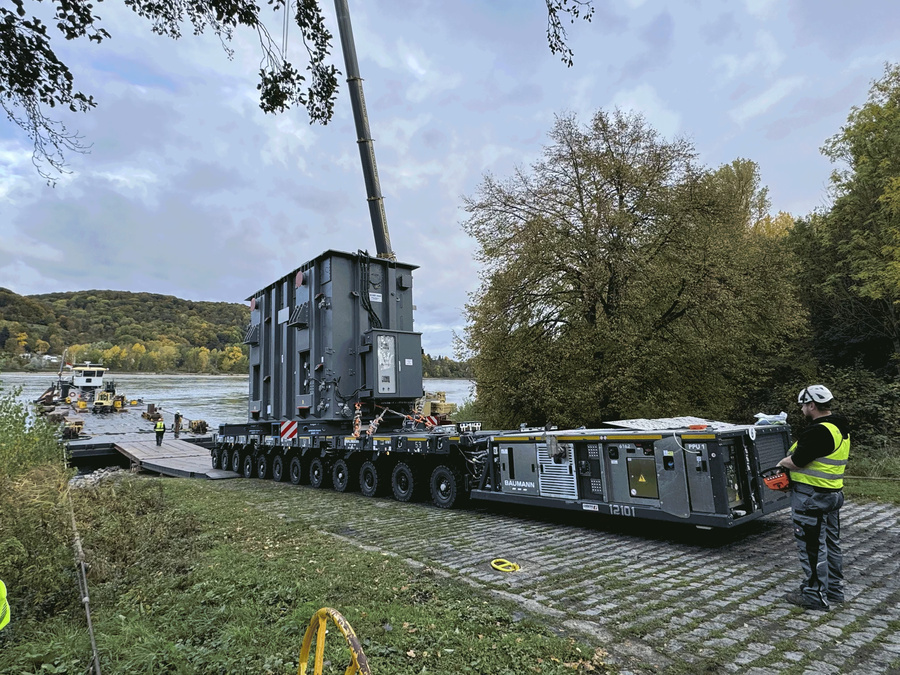
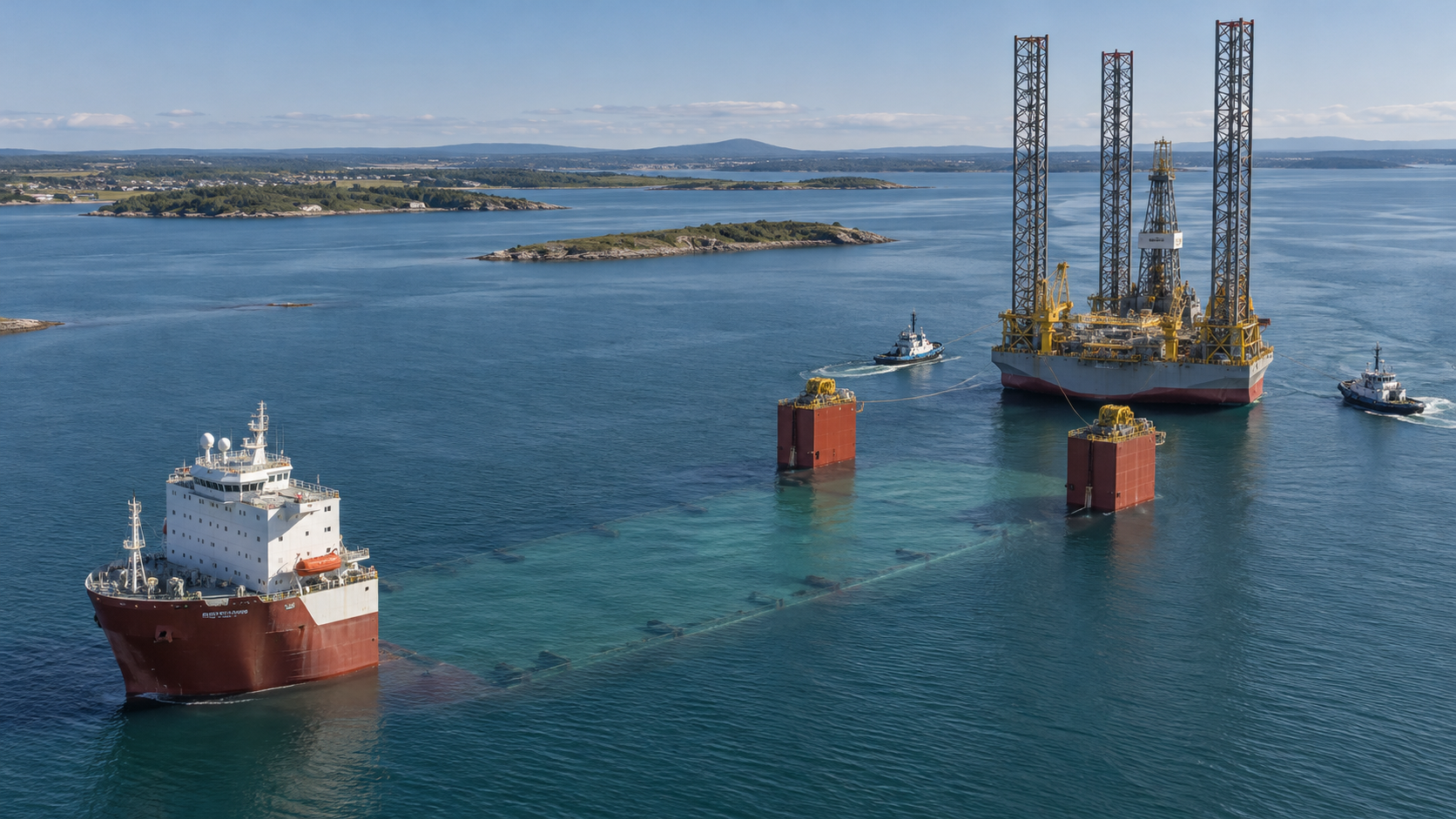
HEAVYCON demurrage and compensation for a late ship follow different rules. Charterers may owe an agreed daily amount when cargo operations exceed the allowed time, but the standard form does not give them a matching daily payment whenever the vessel is late. HEAVYCON does address vessel delay. It allocates the resulting costs and liabilities differently.
BIMCO’s HEAVYCON 2007 is a standard contract for a voyage carrying heavy or oversized cargo, developed principally for semi-submersible ships. Part I records the commercial details agreed for the shipment. Part II supplies the standard conditions. The form also uses knock-for-knock: broadly, each party bears risks concerning its own group’s property and people, regardless of fault.
To understand demurrage, start with the time allowed for loading and discharge. Voyage freight normally takes an expected operating period into account. That does not give the charterer unlimited time to use the vessel for cargo operations. The parties therefore agree an allowance and a daily charge for exceeding it.
HEAVYCON calls this allowance “free time”. Box 18 records the allowance and Box 19 the daily demurrage rate. Demurrage is the agreed amount payable for qualifying delay after that allowance has been used. “Free” means time before the additional charge starts; it does not mean free transport. Nor is demurrage a general fine payable by whichever party causes a delay.
Clause 13 normally starts the clock with a valid notice of readiness, or earlier cargo operations. At loading, time continues through securing the cargo for sea and obtaining surveyor approval. At discharge, it continues until all cargo has been taken off. Weekends and holidays count; fractions of a day are charged proportionately. Other provisions can also apply the demurrage rate to particular delays.
Now consider a vessel breakdown that interrupts the work. Clause 13(c) excludes time lost through vessel or equipment breakdowns and specified crew-related problems. That time does not use up the allowance. If demurrage has already started, it stops accruing for the excluded period.
The distinction is between avoiding a charge and receiving compensation. A charterer protected by this exception does not pay demurrage for the excluded time. But the clause does not make the owner pay the charterer a daily amount for disruption elsewhere in the project. A stopped demurrage clock does not itself reimburse a loss.
A later estimated arrival does not by itself trigger the cancellation procedure. Clause 8(f) applies when the vessel is expected to miss the contractual deadline for being ready to load, known as the cancelling date. Owners must notify charterers immediately and specify a replacement date once reasonably certain. Charterers must elect cancellation within 72 running hours after receiving the notice, or by the time the vessel is ready if earlier. Without that election, the replacement date takes effect.
Cancellation ends the charter under that procedure. Clause 8(g) requires the return of advances the owner has not earned. However, Clause 8(h) excludes owners’ liability for losses resulting from this cancellation or failure to be ready by the cancelling date. Getting an unearned advance back and recovering delay losses are different rights.
Delay during the carrying voyage must also be distinguished from a ship’s failure to become ready for loading on time. Clause 2(b) requires due despatch: the owner has a duty to carry out the voyage promptly. That duty must nevertheless be read alongside HEAVYCON’s allocation of cargo-delay liability and its exclusions.
Clause 22(b)(ii) directly addresses cargo-delay liability. Subject to its stated exceptions, it places that exposure on charterers and protects owners even where their group’s negligence caused the delay. This is a deliberate contractual allocation, rather than an omission of delay provisions. Clause 23 separately excludes specified consequential losses between the parties, including lost use, profits and production. It should not be treated as a blanket label for every financial loss.
The commercial reasons for an owner to resist additional delay compensation become clearer when the cause of an incident is separated from the financial consequences accepted under the contract. Even if a delay originates on the owner’s side, agreeing to a new daily payment or to wider project losses changes the financial exposure. The following is a commercial reading of the contract and insurance framework, rather than a claim that every owner adopts the same negotiating position.
First, freight and project losses measure different things. Freight pays for carriage. Late equipment can affect a project’s production or earnings, and the resulting loss need not be proportionate to the freight. An unlimited promise to reimburse those losses therefore exposes the owner to a different financial risk. However, a daily payment with an agreed maximum is a narrower commitment. Concern about unlimited losses does not, by itself, explain rejection of every capped compensation proposal.
Second, the additional liability may not be insured. Gard explains in its cargo-liability guidance that voluntarily assumed additional contractual liabilities are generally outside standard cover, subject to the stated exceptions; some risks require separate insurance. Its rules also exclude specified liabilities for a ship reaching its loading port late. Skuld approves HEAVYCON under owners’ cover provided its terms have not undergone material changes. Adding a delay-payment promise can therefore require an insurance review and may leave the owner bearing the payment itself. Lack of cover, however, does not cancel an otherwise enforceable obligation.
Third, the scope of the promise needs clear boundaries. Suppliers, ports, customs and other contractors also affect project schedules. A compensation clause must distinguish owner-caused delay from other lost time and define the payment period. This helps explain why negotiations can be difficult. It does not establish that an owner should escape responsibility for a delay caused solely by its own failure. The contractual exclusion and the commercial reasons for negotiating it are separate questions.
Read together, the clauses explain why the two sides do not have matching daily payment rights. HEAVYCON provides a price for specified additional vessel time while limiting recovery of cargo and project losses. Charterers have protections through cancellation and time-counting exceptions, but these serve different purposes from a daily compensation payment.
If charterers want an agreed daily payment for owner-caused delay, a specific provision should set the deadline, covered causes, daily amount, total cap and priority over conflicting exclusions. Absence of that provision does not establish that every damages claim is impossible: amendments, applicable law and any mandatory rules still matter. The demurrage rate alone cannot create a reciprocal payment right.