Korean shipbuilders are carrying large order backlogs and reporting sharply higher profits in 2026, but labor disputes, currency movements and limited progress in Korea-U.S. shipbuilding cooperation are adding pressure across the sector.
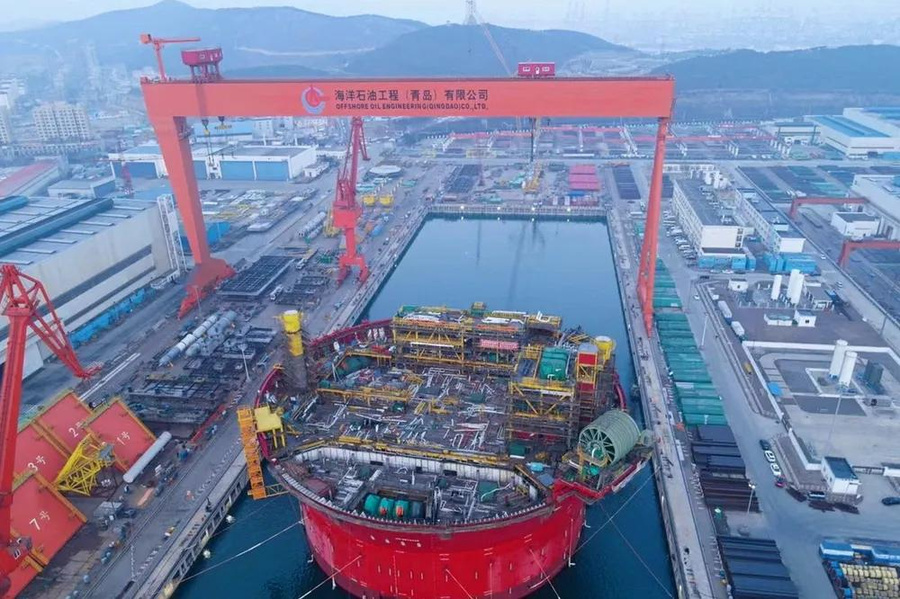
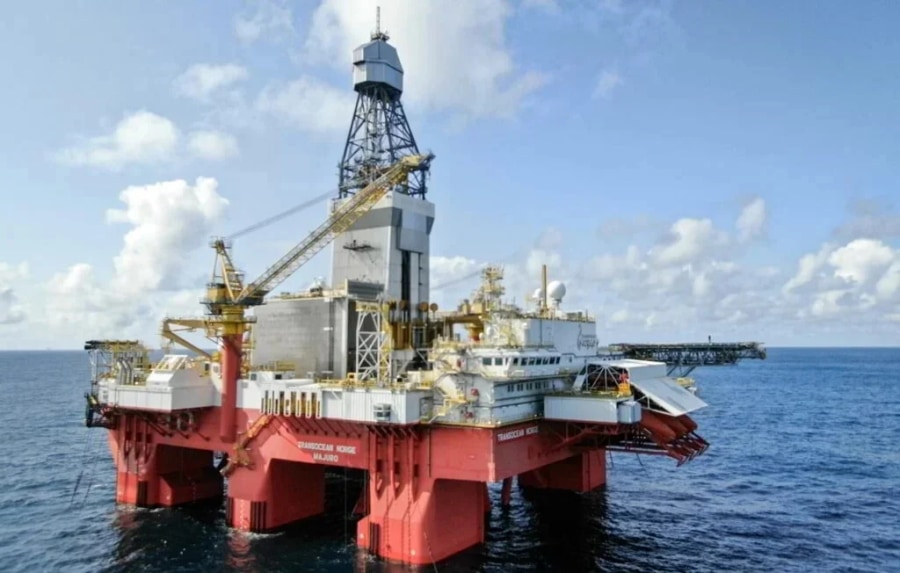
The three major shipbuilders held a combined order backlog of about $145.1 billion as of late August, equivalent to roughly three to four years of work.
Hanwha Ocean reported first-half operating profit of KRW 1.2 trillion, up 87% year on year. HD Korea Shipbuilding & Offshore Engineering recorded operating profit of KRW 3.0 trillion over the same period, an increase of 66%.
Despite those earnings, expectations surrounding MASGA, the Korea-U.S. shipbuilding cooperation initiative, have yet to produce tangible outcomes such as U.S. naval ship orders. The Korea-U.S. Shipbuilding Cooperation Center opened in Washington in late July, but the initiative has otherwise shown limited visible progress this year.
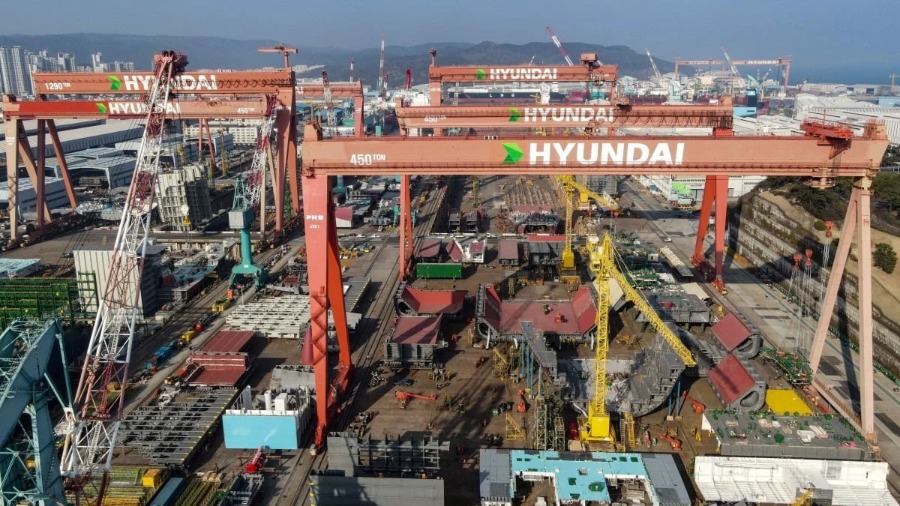
Labor negotiations are also unresolved at two of the three major shipbuilders. At Hanwha Ocean’s Geoje shipyard, wage and collective bargaining talks have continued since June without a tentative agreement. A strike in September halted all four Goliath cranes, while six subcontracted workers have been staging a high-altitude protest since 30 September over demands for performance-based bonuses.
A separate dispute involves workers employed by Welliv, which provides cafeteria, laundry and shuttle bus services at the Geoje yard. Hanwha Ocean is due to hold talks with the workers on 8 October after the National Labor Relations Commission ruled that the shipbuilder has an obligation to negotiate with them as the prime contractor.
At HD Hyundai Heavy Industries, wage and collective bargaining talks also remain unresolved. The union staged seven strikes totaling 37 hours in September. Its demands have included a KRW 149,600 increase in monthly base pay and a performance-sharing system funded by at least 30% of operating profit.
A tentative agreement reached after about 120 days of negotiations was rejected by union members on 2 October. Samsung Heavy Industries is the only one of the three major shipbuilders to have completed its wage negotiations.
Currency movements present another challenge. Korean shipbuilders receive much of their contract revenue in U.S. dollars, making a stronger won less favorable when dollar earnings are converted into local currency. The average exchange rate in the third quarter fell 5.6% from the previous quarter.
Analysts estimated that the currency movement could reduce the combined third-quarter operating profit of HD Hyundai Heavy Industries and Hanwha Ocean by about KRW 120 billion.
Shares of the three major shipbuilders have fallen around 30–40% from their respective peaks amid the combination of labor disputes, exchange-rate pressure and uncertainty surrounding MASGA.