The White House has released its long-awaited Maritime Action Plan, outlining a federal strategy to expand domestic shipbuilding capacity and reinforce the U.S. maritime industrial base. The initiative forms part of President Donald Trump’s push to revive what he has described as a new “maritime golden age.”
A central feature of the plan is a proposal to impose a fee on all foreign-built commercial vessels calling at U.S. ports. The administration argues that such a mechanism would help generate dedicated funding for domestic shipyard modernization, workforce development, and fleet expansion programs.
According to the policy framework, revenue collected from the proposed fee would be directed into a maritime-focused funding vehicle aimed at strengthening national industrial resilience. Specific fee structures and implementation details are expected to require congressional review before enactment.
The plan had been ordered during the early months of the president’s term but was released more than three months after its initial deadline. Beyond the vessel fee proposal, the document outlines measures to expand U.S.-flagged shipping capacity, modernize maritime training pipelines, and improve federal coordination across defense and commercial shipbuilding sectors.
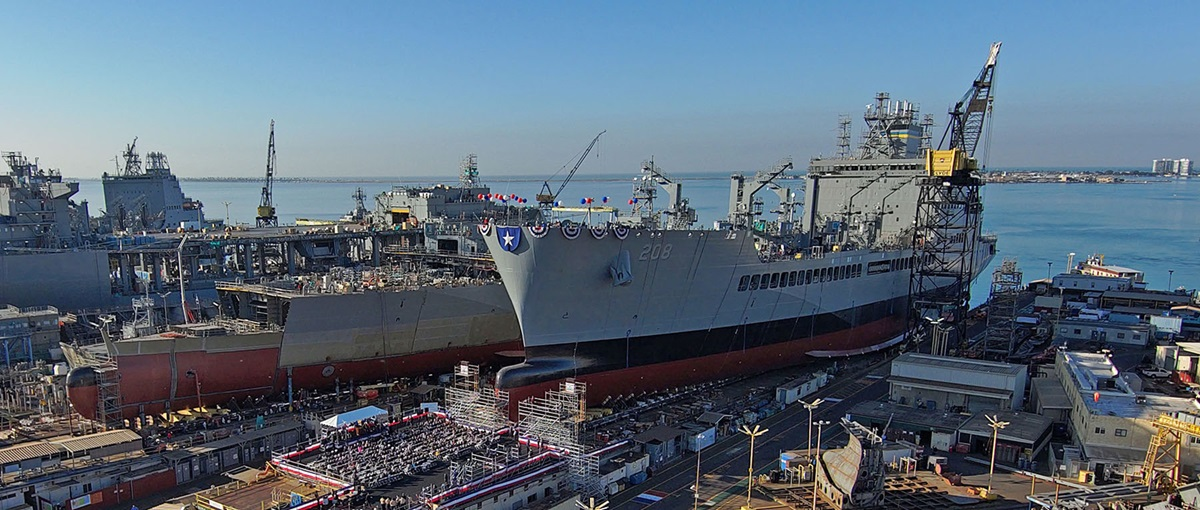
The U.S. shipbuilding industry has experienced decades of contraction relative to major Asian shipbuilding nations, with limited commercial vessel output compared to global competitors. The administration frames the Maritime Action Plan as a structural response intended to rebuild domestic capacity and reinforce supply chain security.
Further legislative debate is anticipated as industry stakeholders evaluate the potential cost impact on import flows and port operations.