A study by the Kuehne Climate Center and Panticon finds that the global offshore wind installation fleet could support around 400 GW of bottom-fixed offshore wind by 2030, even though the original 500 GW ambition is considered unattainable from a vessel capacity standpoint. The offshore goal sits within a wider 2030 wind target of 3,540 GW worldwide, including 500 GW offshore.
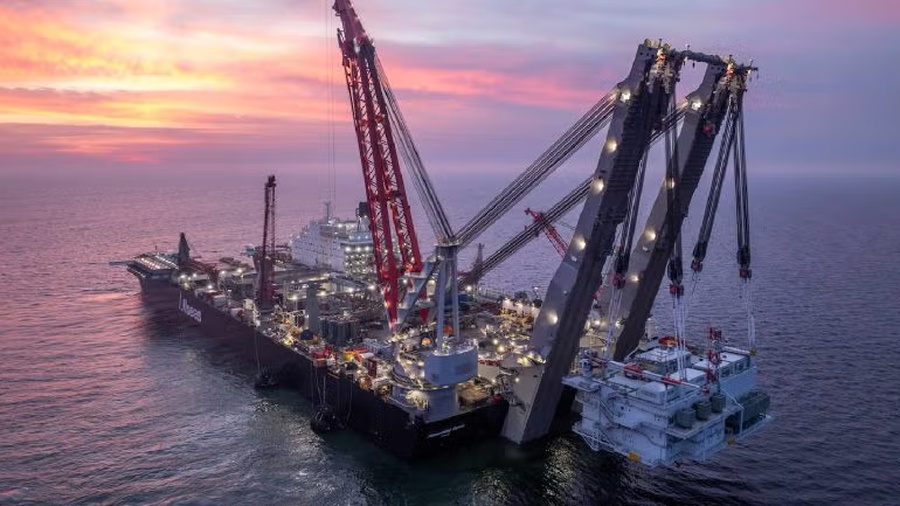
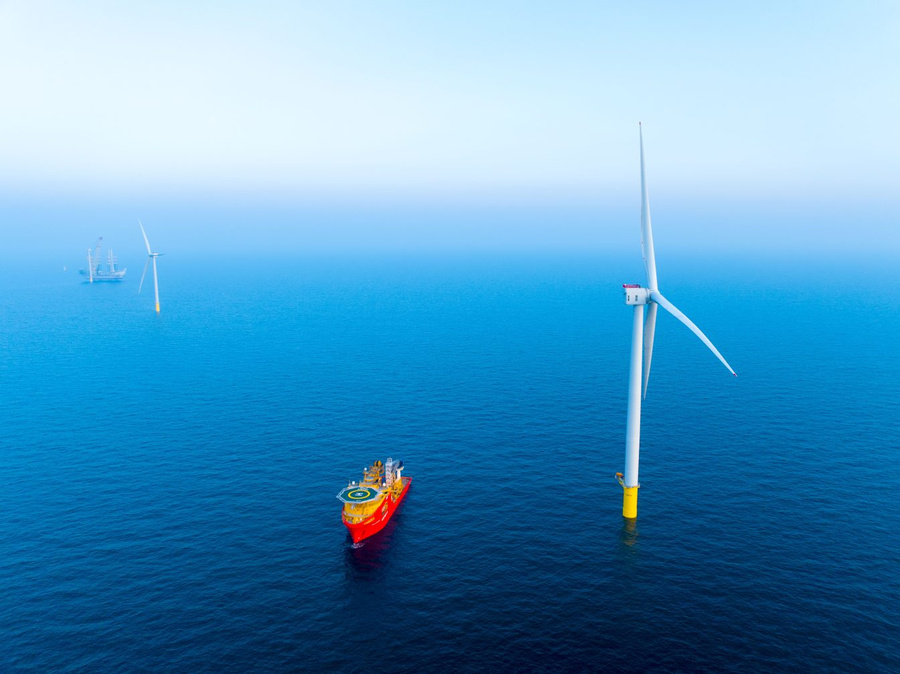
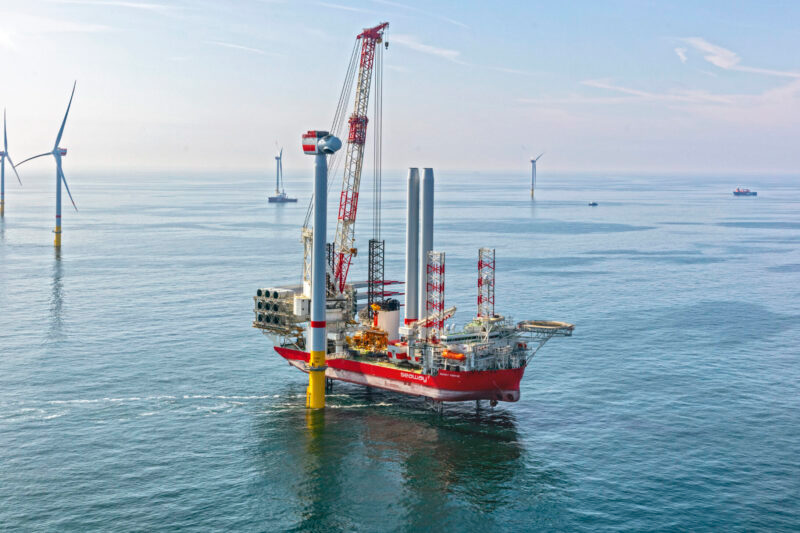
At the start of 2024, the dedicated fleet for installing offshore turbines and foundations comprised 86 vessels globally: 47 Wind Turbine Installation Vessels (WTIVs) and 39 Heavy Lift Vessels (HLVs). By early 2028, deliveries from the current orderbook are set to raise this to 128 vessels, with 15 additional units entering markets outside China and 27 joining the Chinese fleet.
Based on this outlook, the authors model an “80% case” in which regions collectively reach about 394 GW of bottom-fixed offshore wind by 2030, instead of the full 500 GW ambition. In this scenario, markets outside China account for 175 GW, while China reaches 218 GW. To deliver its share, the Rest of World fleet would need to grow by roughly 60%–75% between 2028 and 2030, ending the decade with about 65–72 WTIVs and HLVs and installing close to 100 GW over those three years.
China, by contrast, is assessed as being able to install around 230 GW of bottom-fixed offshore wind by 2030, with the fleet already available by 2028. Under an 85% ambition case, China’s 231 GW share could still be met without further fleet expansion if larger turbines enter the market as assumed.
For markets outside China, the study estimates that meeting the 80% and 85% offshore cases would require vessel newbuild investment of about $ 8–11 billion and $ 12–15 billion, respectively, over 2025–2027. The authors conclude that enabling around 400 GW of offshore wind by 2030 remains technically feasible, provided these orders proceed, and project pipelines, supply chains, shipyards, and crew availability all align to support the enlarged fleet.