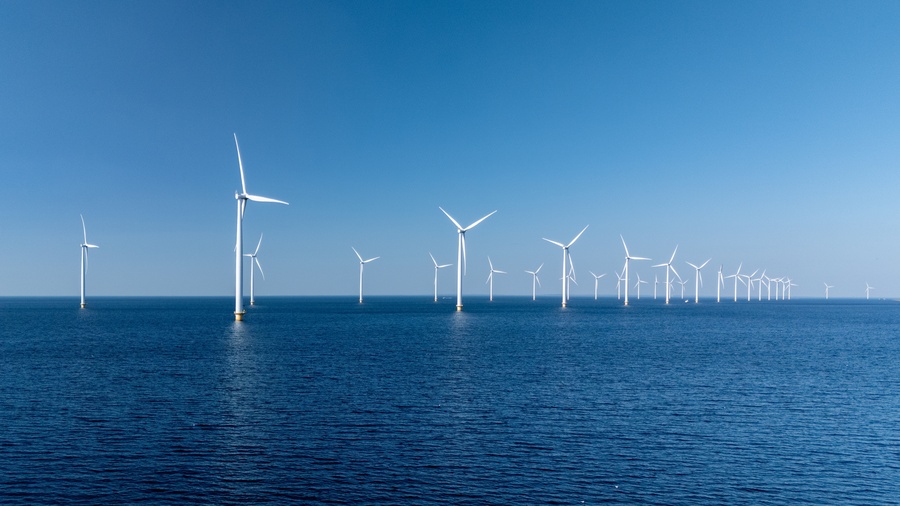
The Dutch government has increased the subsidy ceilings for the IJmuiden Ver Gamma-A and Gamma-B offshore wind farms to support market participation in an upcoming tender for 2 GW of new offshore wind capacity.
The tender is scheduled to open on 26 November and close on 10 December. Winners are expected to be announced in the first quarter of 2027, while the projects are expected to be commissioned around 2032.
The maximum price for IJmuiden Ver Gamma-A has been raised from EUR 104/MWh to EUR 117/MWh. For IJmuiden Ver Gamma-B, the ceiling has increased from EUR 103/MWh to EUR 116/MWh.
The government has reserved around EUR 6.2 billion for the support scheme. Actual spending will depend on final bid prices and electricity market conditions during the subsidy period.
The adjustment reflects investment uncertainty in the offshore wind sector, including possible new grid feed-in charges being considered by the national regulator. The Cabinet said it included additional headroom so developers can account for such risks in their bids.
The government still expects the winning tender amounts to come in below the ceilings due to competition, with market consultations indicating sufficient interest in both sites.
The subsidies have been reintroduced after several zero-subsidy tenders, as the sector faces market challenges and the government prepares a transition toward auctions based on Contracts for Difference. Legislation for the CfD framework is expected to be submitted to Parliament soon.