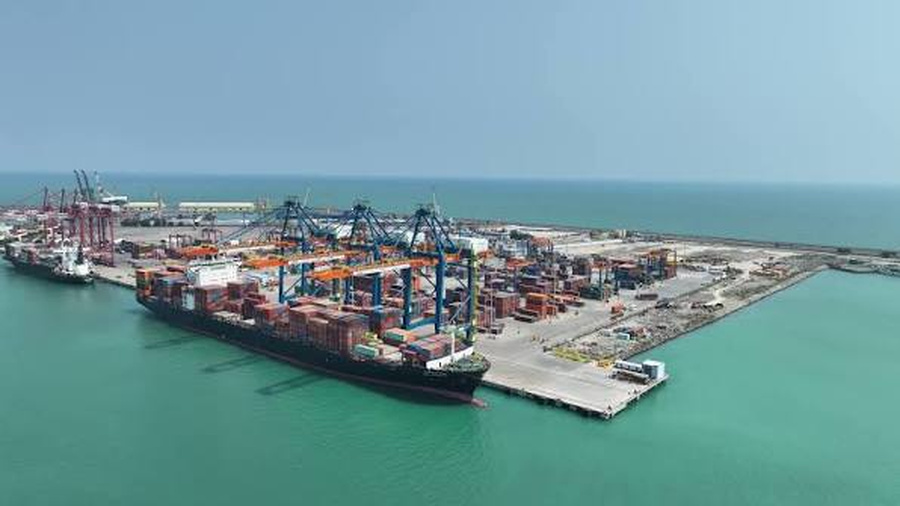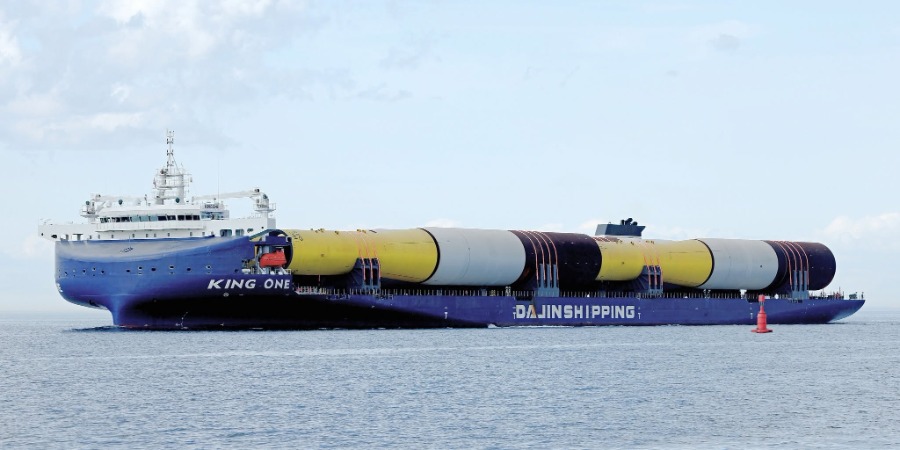
The global shipping orderbook reached 191.0m compensated gross tonnes by the end of the first quarter of 2026, equivalent to 17% of the world fleet, according to BIMCO. The ratio was the highest since 2011, supported by stronger newbuilding contracting through the 2020s and, most recently, by record quarterly crude tanker ordering.
During the first quarter of 2026, newbuilding contracting rose 40% year-on-year to 17.6m cgt. BIMCO said the increase was driven by a tripling of tanker orders and a rebound in LNG tanker contracting. Tankers accounted for 32% of total contracting, the highest share since the second quarter of 2017. Despite the annual increase, total contracting fell 17% from the previous quarter as dry bulk orders eased.
Filipe Gouveia, shipping analysis manager at BIMCO, said newbuilding contracting during the 2020s has so far been 47% higher than the average recorded in the 2010s. He said the increase was supported by stronger market conditions in the larger shipping sectors, a larger overall fleet and greater fleet renewal needs. He added that higher contracting has led to higher newbuilding prices and longer yard lead times, with 57% of contracts signed so far this year scheduled for delivery after 2028.
Some shipping sectors now have relatively large order books. The orderbook-to-fleet ratio reached 22% for crude tankers, 19% for product tankers, 37% for containerships and 40% for LNG carriers. For crude and product tankers, these newbuildings are expected to support fleet renewal, as 21% and 17% of the respective fleets are now over 20 years old, the age at which recycling is typically considered. By contrast, only 4% of the containership fleet and 8% of the LNG carrier fleet are over 25 years old, although these sectors are expected to see higher demand growth.
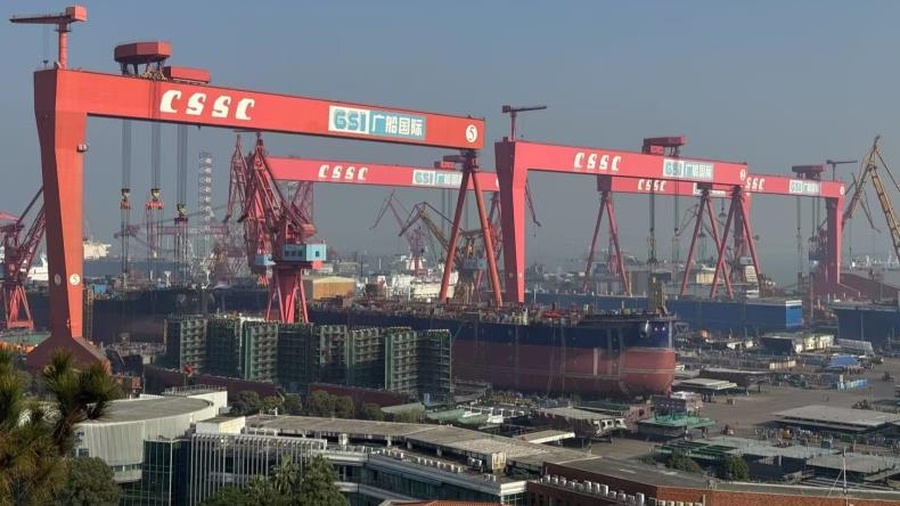
Chinese shipyards remained the leading destination for new orders, accounting for 70% of contracting in the first quarter of 2026. Korean yards secured a further 20%, supported by stronger LNG tanker ordering. Japanese yards, however, saw contracting fall 83% year-on-year to just 1% of new orders, the lowest share since at least 1996, according to BIMCO. The organization linked the decline to limited capacity, long lead times, and lower competitiveness.
Gouveia also said that growing orderbooks across several large shipping sectors could contribute to slower newbuilding contracting in the medium term. He said long yard lead times, high newbuilding prices, uncertainty linked to Red Sea and Strait of Hormuz sailings, and questions around alternative fuel availability could also weigh on contracting.
Shipyards have continued to benefit from strong ordering across much of the 2020s. The source said 20% of ships currently on order are scheduled for delivery more than three years from now. At the beginning of 2021, only around 5% of the global orderbook had delivery dates beyond the following three years.
At the same time, supply chain pressure remains a challenge for shipyards trying to meet delivery schedules. Broker BRS said main engines remain the main bottleneck, especially those using dual-fuel technology. It added that limited growth in engine manufacturing capacity has made it harder for shipyards, particularly smaller or reactivated facilities, to secure enough engines to make full use of available berths.