DNV reported that alternative-fuel ship orders reached 69 in September 2026, the highest monthly figure since October 2024, as newbuilding activity increased during the third quarter.
The September figure exceeded the 52 vessels recorded in August and brought total orders for the third quarter to 168 vessels. This marked the highest quarterly total since the third quarter of 2024, according to DNV‘s Alternative Fuels Insight (AFI) platform.
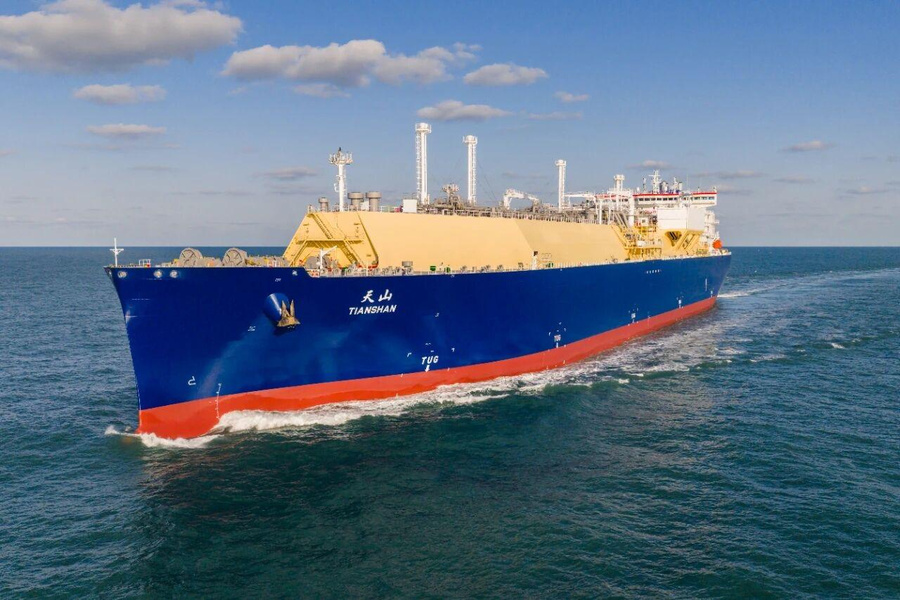
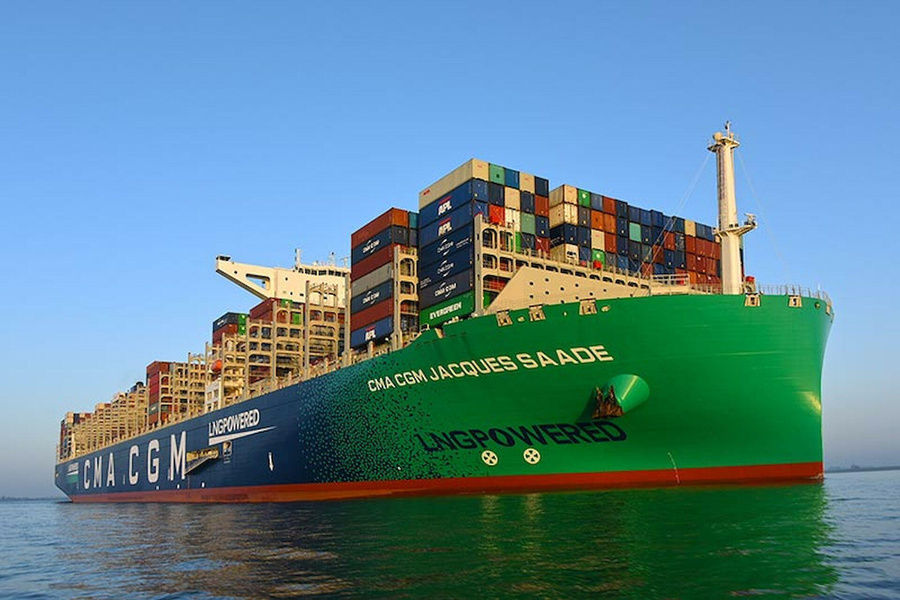
LNG-fuelled vessels accounted for 48 of September’s orders. Container ships represented the largest segment with 26 vessels, followed by 18 car carriers. The remaining LNG orders included bulk carriers and ro-ro cargo vessels.
Other alternative fuels also contributed to September’s orderbook. A total of 12 ethanol-fuelled bulk carriers were ordered during the month, together with nine LPG-fuelled vessels.
Across the first nine months of 2026, DNV recorded 311 orders for alternative-fuelled vessels, an increase of 53% compared with the corresponding period of 2025.
LNG remained the most frequently selected alternative fuel, with 200 vessel orders registered between January and September, up 52% year on year. Container ships accounted for 55% of these LNG orders, while car carriers represented 32%.
Jason Stefanatos, Global Decarbonization Director at DNV Maritime, said the increase in third-quarter ordering followed a relatively slow start to 2026. He noted that fuel choices continued to vary between vessel segments, reflecting differences in operational requirements and commercial conditions.
Stefanatos also highlighted the need for fuel supply and bunkering infrastructure to develop alongside the expanding alternative-fuelled fleet.
The September figures show that LNG continued to account for the majority of new alternative-fuel vessel orders, while ethanol and LPG were also represented in the latest contracting activity.