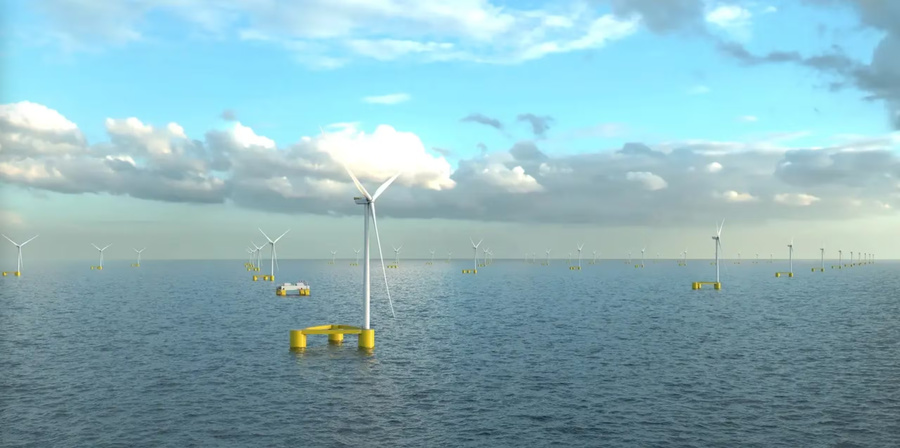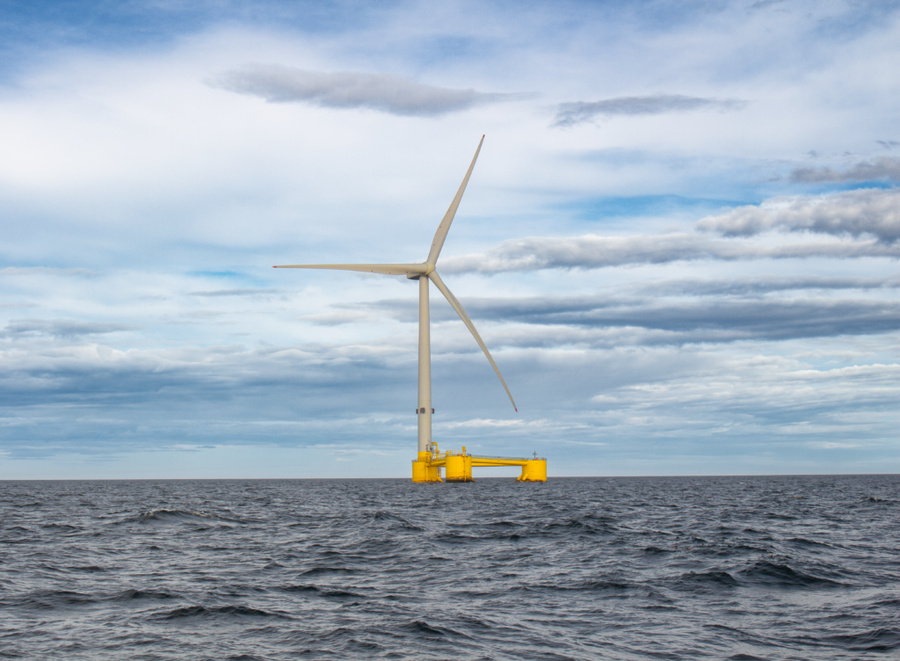
The DemoSATH floating wind demonstrator will remain in service through 2027 at BiMEP in Spain following an agreement bringing Kumagai Gumi into the project alongside Saitec Offshore Technologies and Kansai Electric Power Company (KEPCO).
Research during the additional operating period will address both the behaviour of the platform at sea and methods for building and eventually removing floating wind structures. Kumagai Gumi will contribute construction expertise, reviewing options for decommissioning and assessing how production methods could be adapted to manufacture platforms in volume.
For the partners, the next stage shifts the emphasis from demonstrating SATH technology offshore to using the installation as a research facility. Measurements collected during operation will support work on monitoring critical components, analysing data and refining predictive models.
Engineers will study how the structure responds to different offshore conditions and compare measured behaviour with design predictions. The partners also plan to improve the technology and exchange practical knowledge, with results intended to inform larger commercial floating wind developments internationally.
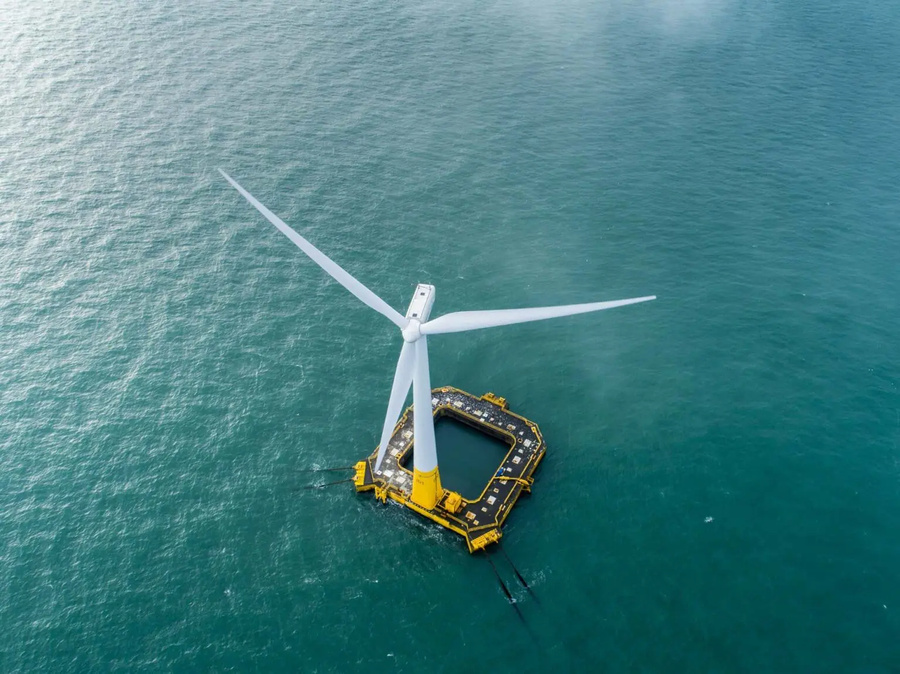
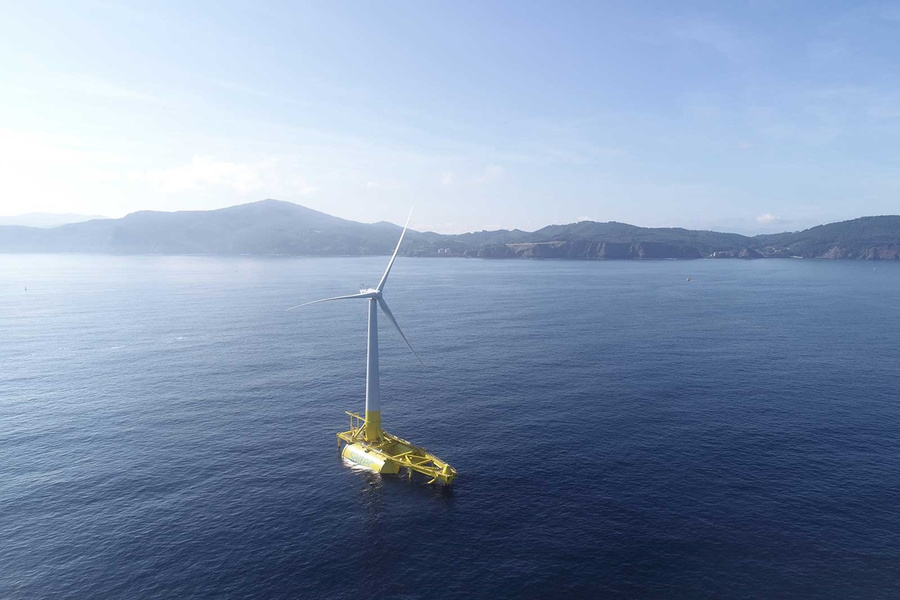
SATH stands for Swinging Around Twin Hull. Developed by Saitec Offshore Technologies, it uses a concrete twin-hull platform to carry a wind turbine. The DemoSATH unit has a capacity of 2 MW and operates near Armintza, about 3.2 kilometres from the Basque coast, at a water depth of about 85 metres.
After construction and assembly at the Port of Bilbao, the unit reached its offshore location under tow in 2023. Power delivery to Spain’s grid started in September 2023, making DemoSATH Spain’s first floating turbine connected to the national grid. Final prototype certification followed in September 2024 from Bureau Veritas.
Operational records from the Cantabrian Sea will provide a basis for the extended research. The platform has also hosted environmental trials through DemoSATH Lab, covering interactions with marine organisms, approaches to supporting biodiversity and potential integration with aquaculture.