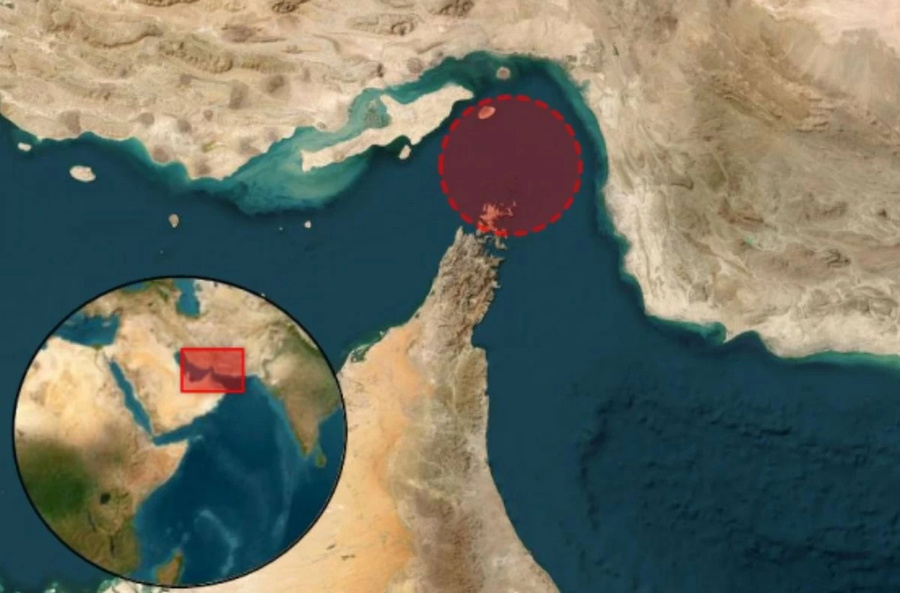
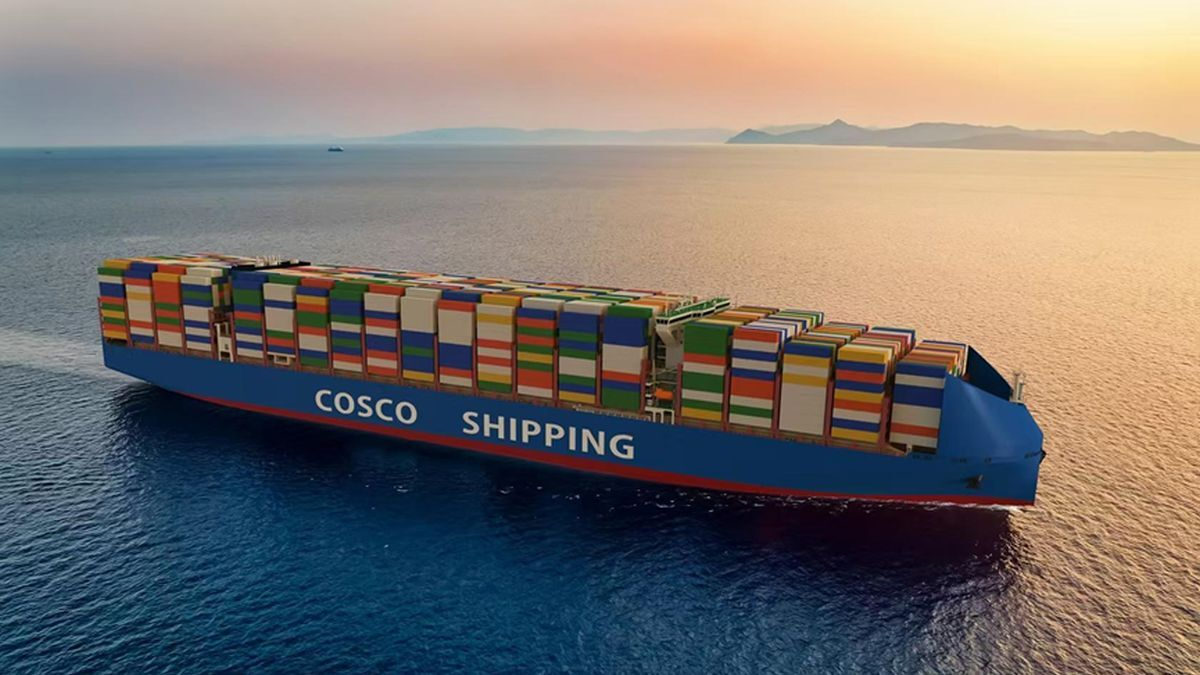
COSCO Shipping Lines has restarted new bookings for standard containers moving from the Far East to six Middle East markets, ending a suspension introduced on 4 March as conflict-related disruption in the Persian Gulf and limits around Hormuz had interrupted normal trade conditions.
The resumed booking scope covers the UAE, Saudi Arabia, Bahrain, Qatar, Kuwait and Iraq. The move adds a positive signal for regional container flows, but it does not remove wider operating pressure across the market.
Iran’s ambassador to Seoul, Saeed Koozechi, said South Korean ships can pass through the Strait of Hormuz if they complete prior coordination with Tehran. He said consultations with the Iranian military and government are required before transit.
Shipping conditions in the Gulf remain difficult. BIMCO said around 130 containerships are stranded in the region, representing about 1.5% of global fleet capacity. The organisation also estimated that roughly 3% of global container volumes are unable to move, directly affecting about 5% of worldwide ship demand. Because many vessels serving the Gulf also call at ports in Pakistan and India, BIMCO said the overall impact reaches nearly 10% of the global fleet.
BIMCO said both a prolonged interruption and a near-term reopening of Hormuz would leave the container market facing some weakening in the supply and demand balance in 2026 and 2027. It added that continued transit disruption would mean higher fuel costs for liner operators and lower cargo volumes.
Turloch Mooney of S&P Global said the Gulf’s main hubs do not have a practical sea-based alternative route, unlike the Red Sea. He said short-term feeder work would shift congestion rather than solve it, describing the situation as a split network in which schedule reliability has deteriorated sharply.
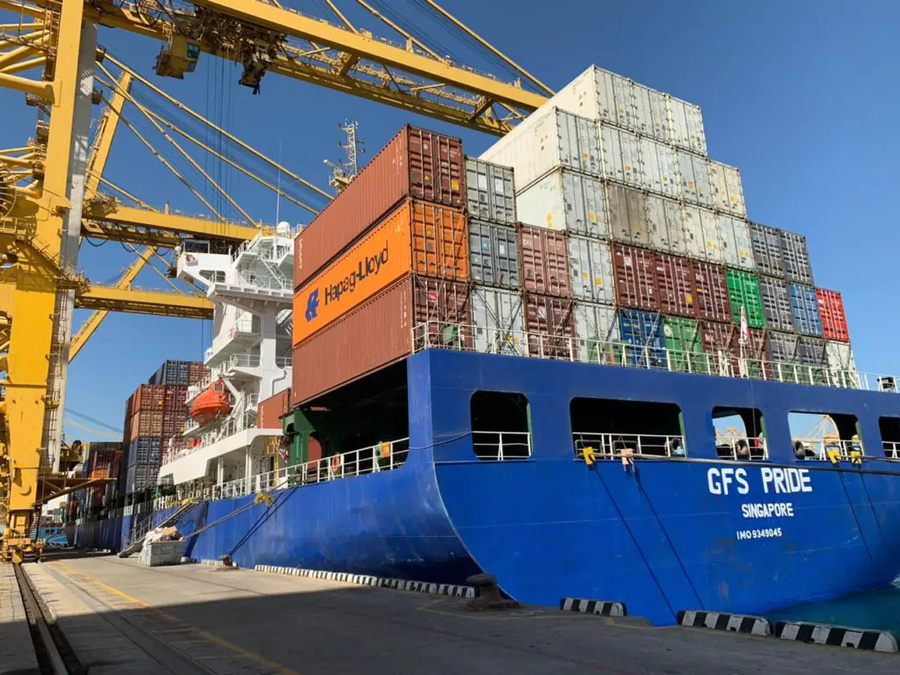
At the same time, Linerlytica said freight rates have started to ease as vessels taken out of Gulf loops were moved into other trades. That shift has reduced the effect of the mid-March increases carriers had announced. Hapag-Lloyd has also made live tracking for dry and reefer containers in the region available free of charge to customers.