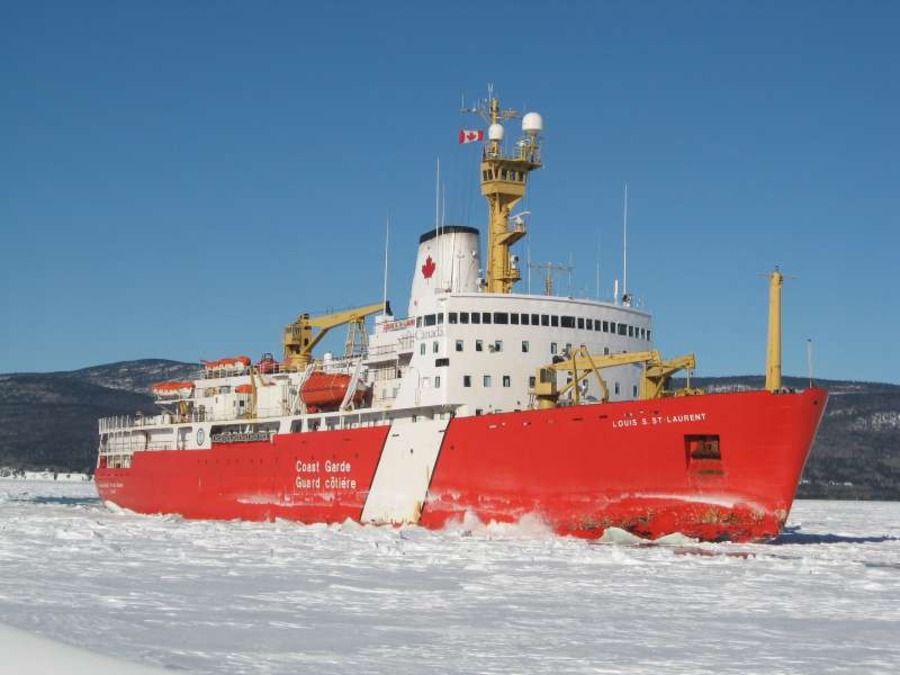
Canada’s largest and most powerful icebreaker, CCGS Louis S. St-Laurent, reached the North Pole on 16 August 2026 during an Arctic deployment supporting the country’s continental shelf mapping program.
The voyage is part of a series of Arctic missions running from 2024 through 2027. The Canadian Coast Guard is supporting Natural Resources Canada and Fisheries and Oceans Canada in collecting high-resolution geoscience and hydrographic data across the region.
The information will contribute to Canada’s efforts to establish the outer limits of its continental shelf under the United Nations Convention on the Law of the Sea (UNCLOS). The convention provides the legal framework for countries to establish rights over seabed resources beyond their 200-nautical-mile exclusive economic zones under certain conditions.
Defence Minister David J. McGuinty described the arrival at the North Pole as an important milestone in Canada’s Arctic activities. He said the mission contributes to scientific knowledge and supports Canada’s presence, sovereignty and security in the North.
CCGS Louis S. St-Laurent is a heavy icebreaker and the largest vessel in the Canadian Coast Guard’s current icebreaking fleet. The vessel has supported previous Arctic scientific programs, including the collection of geological and seabed data for Canada’s continental shelf work.
Canadian Coast Guard Commissioner Kevin Brosseau said reaching the North Pole demonstrated the capabilities required for operations in demanding Arctic conditions. He also highlighted the role of Coast Guard icebreakers in scientific research, services for northern communities and Government of Canada activities in the region.
Canadian Coast Guard icebreakers generally operate in the Arctic from June through November each year. Their work during the summer operational season includes scientific missions, assistance to northern communities and services for vessels navigating Arctic waters.
The 2026 deployment takes place as Canada increases its focus on Arctic security and sovereignty amid geopolitical competition in the region. Changing sea-ice conditions are also making some Arctic areas more accessible to shipping and other activities.
CCGS Louis S. St-Laurent entered service in 1969 and has undergone several major upgrades during more than five decades of operation.
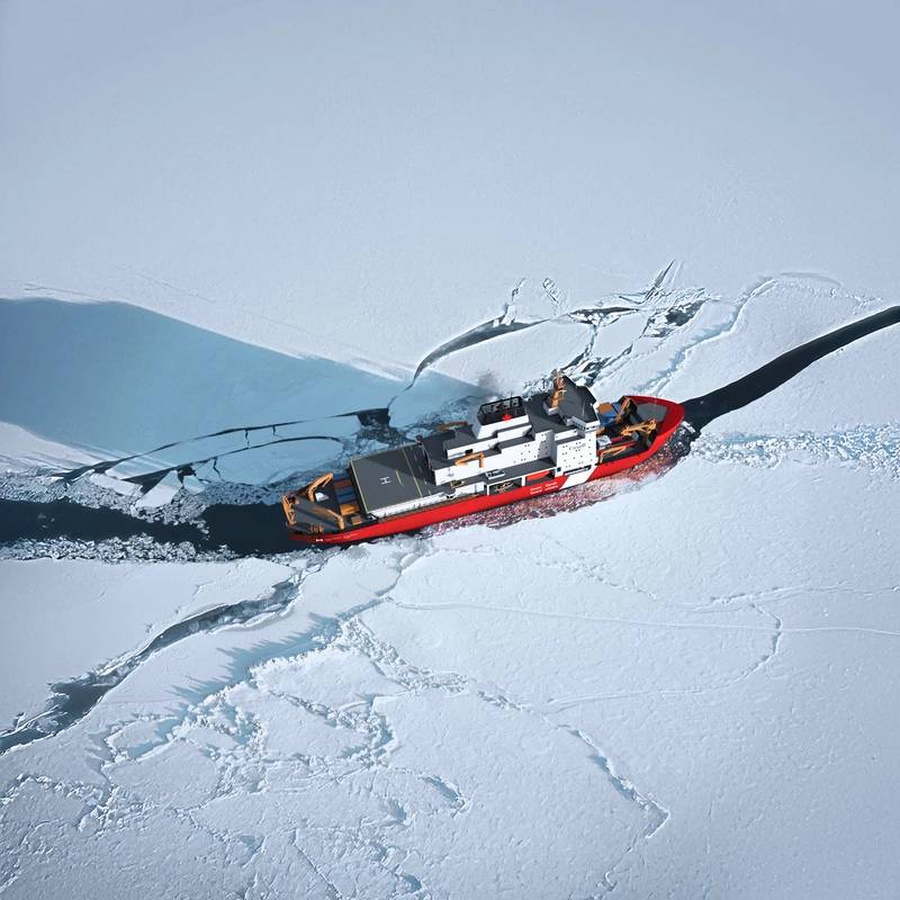
Canada is renewing its icebreaking fleet, including the construction of new polar icebreakers. These vessels are intended to provide greater capability and a more sustained presence in the Arctic as CCGS Louis S. St-Laurent and other aging vessels are eventually retired.
The government said the North Pole mission shows Canada’s ability to conduct operations in remote Arctic waters while supporting scientific research and continental shelf mapping.