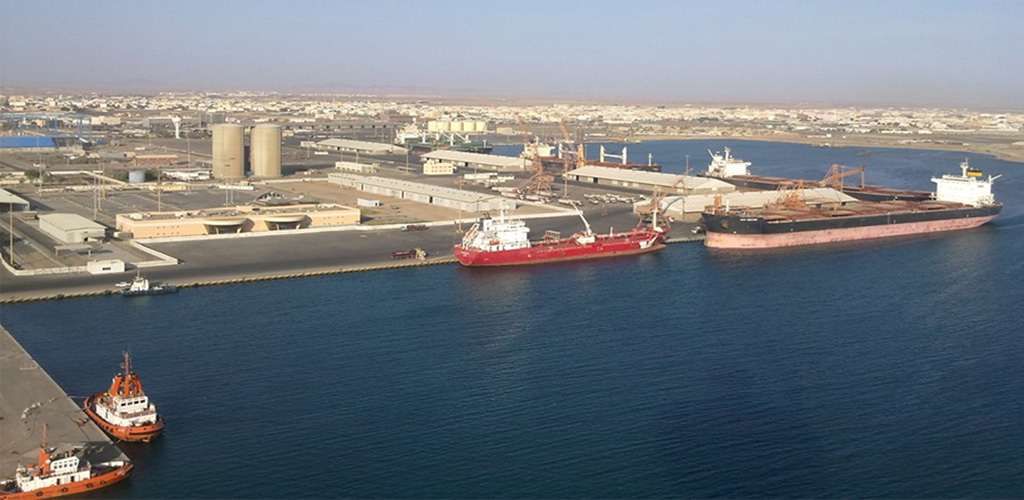
Saudi Arabia’s state-owned oil producer Aramco has instructed buyers of its light crude to load certain cargoes at the Red Sea port of Yanbu, as passage through the Strait of Hormuz has become dangerous during the US-Iran war.
In February 2026, Saudi Arabia exported 7.2 million barrels per day, with 6.38 million barrels per day moving through the Hormuz route. With regional shipments affected, tankers have been reported anchoring on both sides of the waterway. Other producers in the region—including the UAE, Iraq and Kuwait—are also unable to move crude through the strait, according to reports.
Saudi Arabia can move crude from eastern oilfields to the Red Sea via the East-West pipeline, which has a capacity of 5 million barrels per day. It remains unclear whether Yanbu can load vessels at volumes matching the pipeline’s throughput.
“There are logistical trade-offs involved, including … what rate the Yanbu crude terminal on the Red Sea can sustainably load vessels at,” said Richard Bronze, co-founder of the consultancy.
There is also concern that the pipeline could become a target for Iran and its allies.
With exports constrained, some countries are cutting production as storage tanks fill. Iraq has reduced output by 1.5 million barrels per day. Recent media reports also said tanker rates to load from Yanbu have more than doubled.
The UAE has an alternative route in the Habshan-Fujairah Pipeline, with a capacity of 1.5 million bpd, transporting oil from Abu Dhabi’s fields to Fujairah on the Gulf of Oman for storage terminals and refineries. Fujairah was attacked, and port operations slowed on Tuesday after air defences intercepted a drone that caused a fire.