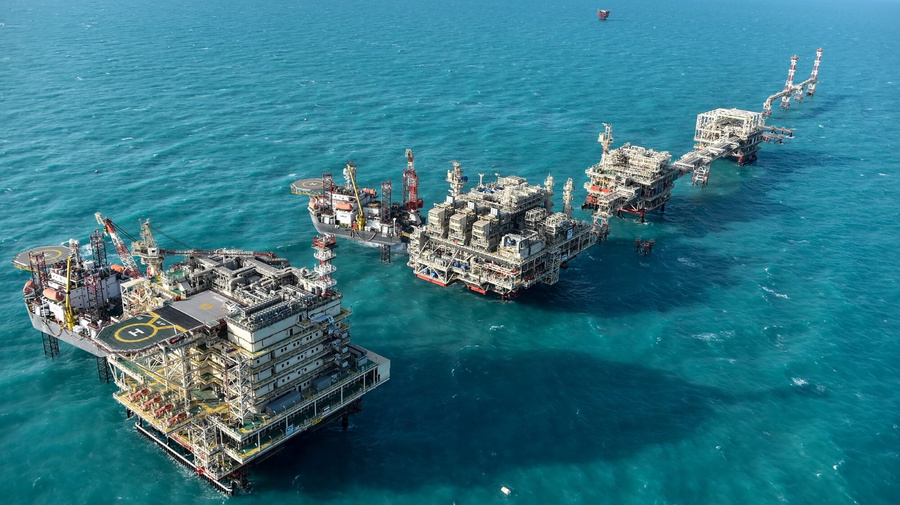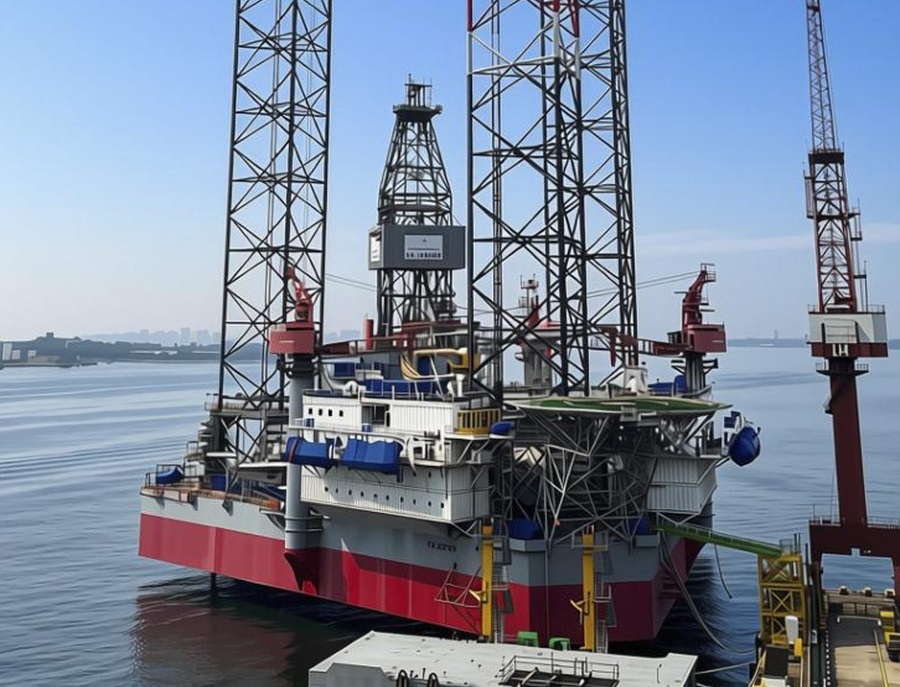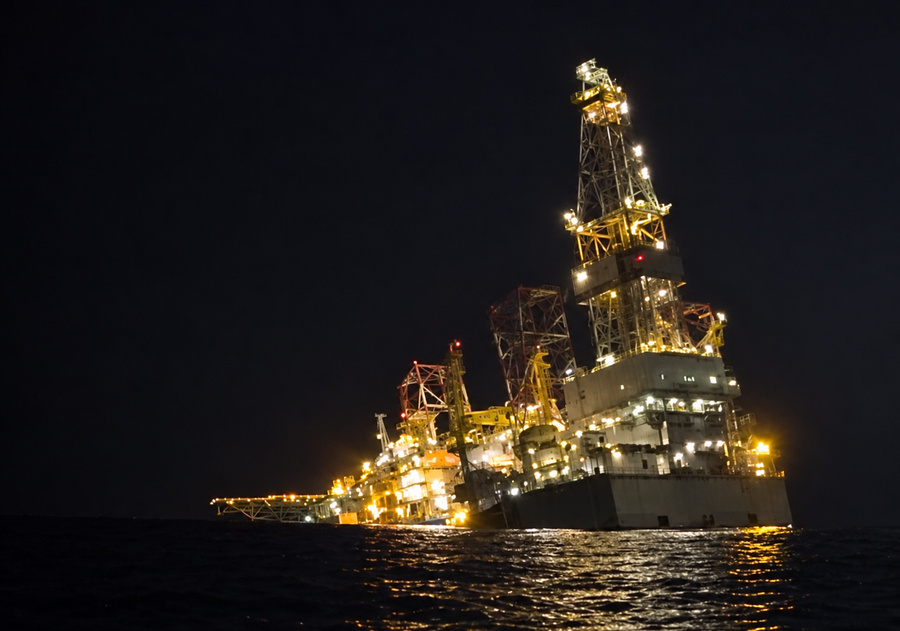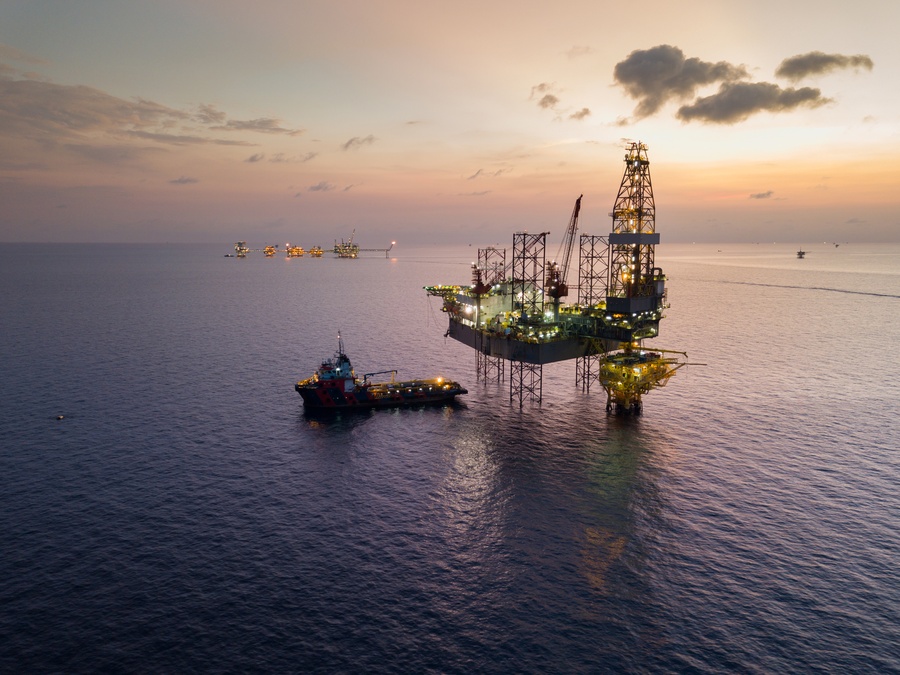
The Middle East jackup market has lost momentum after the regional conflict disrupted a more positive start to 2026.
In January, Westwood expected the global jackup recovery to begin from mid-to-late 2026. The forecast was supported by the Arabian Gulf, which represents about 36% of global jackup supply and remains the most active jackup basin.
Early market conditions had been improving. More offshore developments were moving toward final investment decision, while exploration success offshore Kuwait supported longer-term drilling visibility. Some suspended jackups were also expected to return to Aramco, while others had secured work outside the region.
The outlook changed after the conflict escalated in February 2026. Missile strikes, drone activity and naval incidents increased operational risk across the Gulf.
Operators responded by prioritizing crew safety and asset protection. Actions included temporary evacuations, reduced rig staffing, delays to new drilling campaigns, more jackup suspensions in Saudi Arabia and early contract terminations in Qatar. Some rigs planned to restart work with Aramco have not yet resumed operations.
Before the escalation, regional operators had issued jackup tenders representing about 56 rig-years of potential demand, with expected start dates in 2026 and 2027.
The operating fleet has weakened sharply. According to Westwood, working utilization of the marketed fleet moved down from 83% in early February to about 69% by late April. Committed utilization remained near 90% because many inactive rigs are still under contract, but further early terminations could put that level under pressure.
Westwood had earlier expected Middle East committed utilization to rise from 94% in 2025 to 96% in 2026. It now sees full-year 2026 utilization settling at around 89–91%, subject to how long the conflict continues and whether it intensifies.
Recent discussion over the possible easing of tensions between Iran and the US could help stabilize offshore activity if it continues. For now, the region’s jackup recovery has been delayed by geopolitical risk.