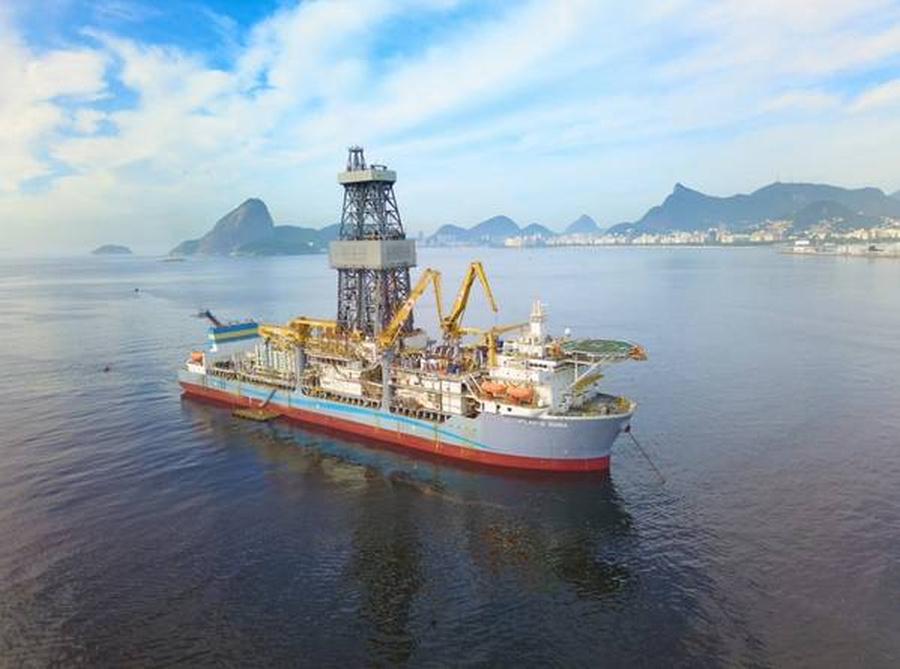
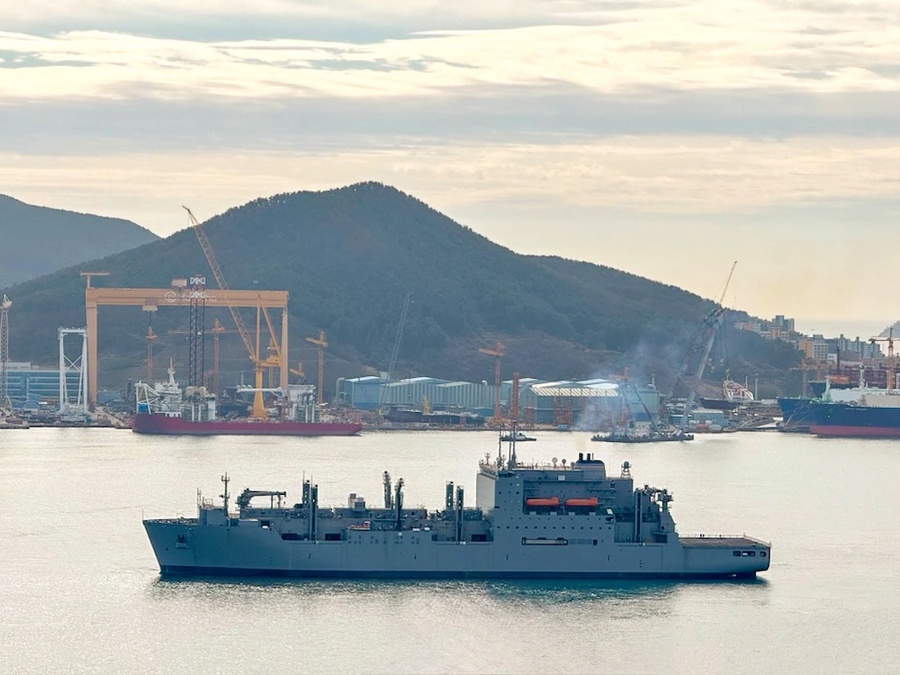
The US Navy is assessing whether shipyards in South Korea and Japan could support future warship design and production as Washington seeks to expand fleet output and respond to China’s larger shipbuilding base.
In its Fiscal Year 2027 budget request, the Navy proposed $1.85 billion for a feasibility study on whether allied Asian shipyards can meet US Navy requirements. The review would look at possible co-production of advanced warship hulls, including designs related to Japan’s Mogami-class and South Korea’s Daegu-class frigates.
Former Navy Secretary John Phelan said at Sea-Air-Space 2026 in Washington that the service faces a serious domestic labor capacity issue and is considering options to address it. The proposal comes as China reportedly builds as many as 10 destroyers a year, about four times the US production rate.
The Navy is not presenting overseas construction as a replacement for domestic shipbuilding. Its budget request includes $65.8 billion for 34 ships, consisting of 18 warships and 16 support vessels. The service’s long-term aim is to grow the fleet from 291 vessels to about 380 by mid-century.
However, US naval shipbuilding continues to face schedule and cost problems. In November, the Navy decided to cancel the Constellation-class frigate program and replace it with FF(X) after repeated delays and cost overruns.
The future of the overseas feasibility study is uncertain following Phelan’s sudden departure. Acting Navy Secretary Hung Cao has not yet made a public statement on the issue.