The US Supreme Court has handed Chevron a legal win by reopening the question of whether a $745 million Louisiana coastal case can be reviewed in federal court.
The ruling did not address the merits of the 2025 state jury verdict that ordered Chevron to pay Plaquemines Parish $745 million. It also did not direct that the case be moved immediately from state court to federal court. Instead, the court vacated a Fifth Circuit decision that had left the case in state court and sent the matter back for further review.
In an 8-0 opinion, the Supreme Court said the lower court was wrong to find that the case was not related to wartime activity tied to federal supervision. The dispute centers on Chevron’s argument that the claims relate to oil production carried out to support US military needs during World War II, including the supply of crude oil for aviation gasoline production.
Justice Clarence Thomas wrote that, in the wartime setting, Chevron needed to increase crude output as quickly as possible to support avgas refining. The ruling indicated that federal officer removal law should have been considered in that context.
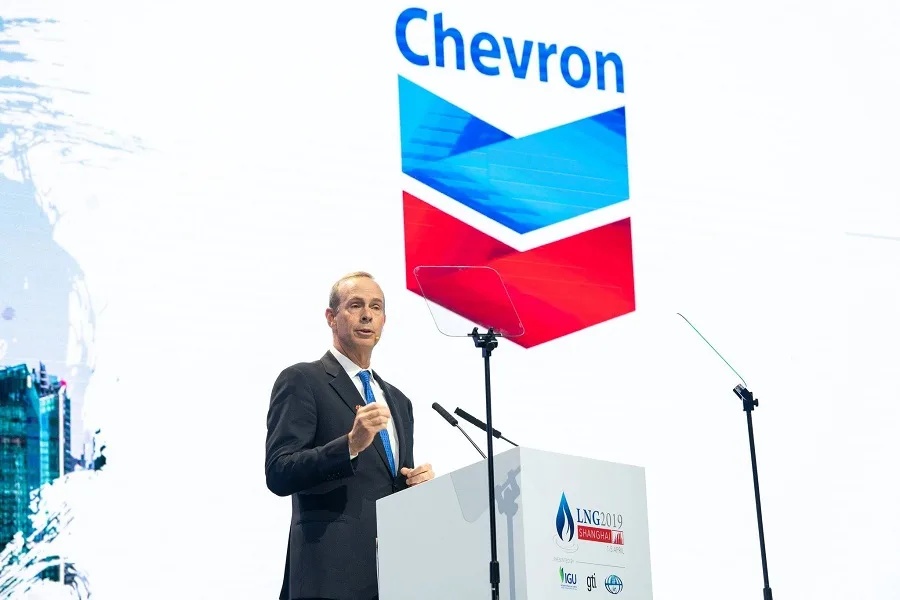
Chevron welcomed the decision. The company said the claims are tied to activities performed under federal supervision during World War II and argued that the case belongs in federal court.
Louisiana Attorney General Liz Murrill, who represented the state, said she remains confident in the result reached by the jury. She said the venue would not change the outcome after a jury in Plaquemines Parish found Chevron liable over damage linked to waste discharged into Louisiana marshland.
The case goes back to Texaco operations later acquired by Chevron in 2001. In April 2025, a Plaquemines Parish jury found that the company owed $745 million over claims that oil and gas activity harmed Louisiana’s eroding coastline.
That lawsuit is one of 42 cases filed in Louisiana state courts in 2013 against oil and gas companies over alleged environmental damage. The plaintiffs argued that the companies lacked proper permits and were not protected by an exemption in a 1978 law covering some industrial activity in the coastal zone before 1980.
The Supreme Court’s decision does not settle liability. It sends the case back to the Fifth Circuit to reconsider whether the dispute should proceed in federal court.