Energy and shipping costs have continued to rise despite the 60-day Jones Act waiver introduced by US President Donald Trump, as disruption linked to the US-Israel war on Iran has continued to affect traffic through the Strait of Hormuz.
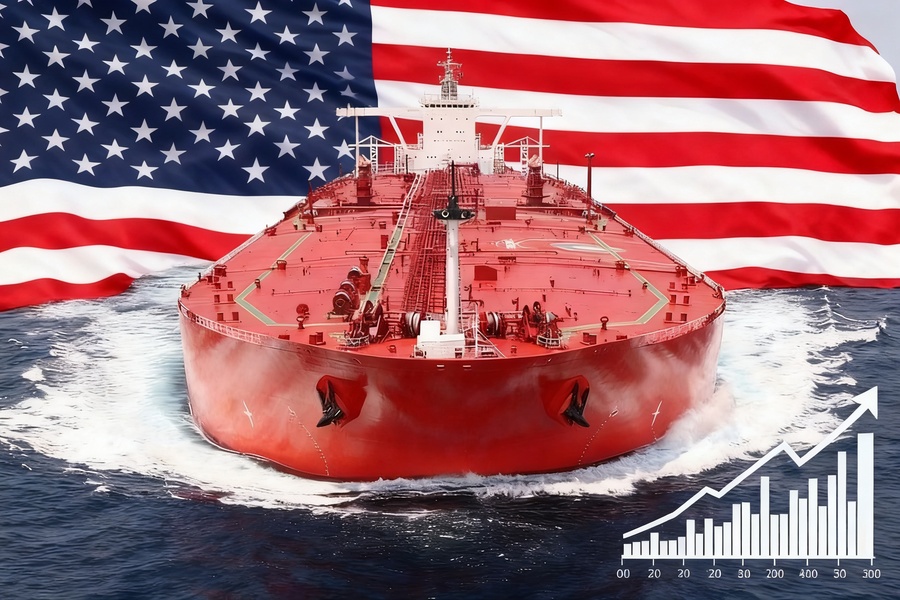
The waiver took effect on 18 March. The Trump administration said the temporary measure would help reduce energy costs by easing restrictions on domestic shipments. Under the Jones Act, cargo moved between US ports must be carried on ships that are built in the US, fly the US flag and are mostly US-owned, limiting the number of vessels available for such trade.
Even so, the impact on oil prices has remained limited. Usha Haley, a professor of management at Wichita State University, said the effect was estimated at about 3 cents on the US East Coast and could even result in higher costs on the Gulf Coast. She said the changes were too small to outweigh the broader rise in oil prices.
The wider market has remained under pressure as the conflict disrupts movement through the Strait of Hormuz, a strategic waterway that carries roughly 20% of the world’s oil and liquefied natural gas supply. Brent crude rose 4% on the day to $98.91 after reaching $101.03 earlier, while US West Texas Intermediate gained $2.53, or 2.6%, to $99.10.
The increase followed the US Navy’s blockade of Iranian ports on Monday after talks between US and Iranian negotiators failed to produce an agreement. The impact has also been felt by consumers in the US. According to the American Automobile Association, the average gasoline price reached $4.125 per gallon, compared with $3.63 a month earlier.
Shipping patterns have also shifted. More than 34,000 ships have been diverted away from the Strait of Hormuz over the past month. Over the same period, the Containerized Freight Index rose by more than 10%, and it was up by more than 35% from a year earlier as the market adjusted to alternative shipping strategies.
Insurance costs have added to the disruption. In March, soon after the start of the war, major insurers, including Gard, Skuld, and NorthStandard, canceled war-risk cover for ships traveling through the waterway, discouraging owners from entering the Gulf. Although maritime insurance later became available again, the price was reported to be 10 times higher than before the war. Experts said fuel prices are expected to normalize only when traffic through the strait returns to pre-war levels.