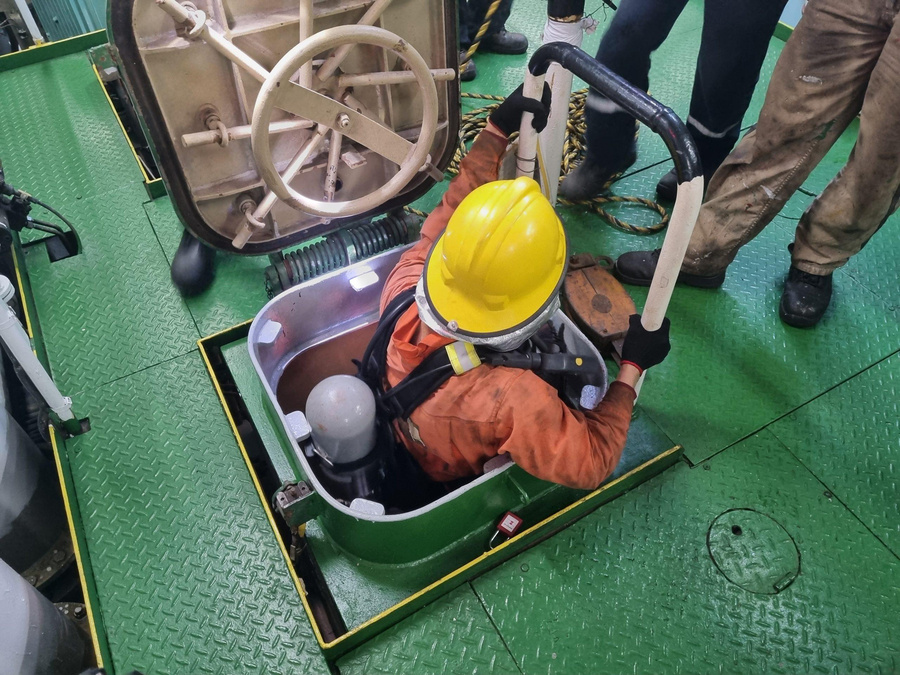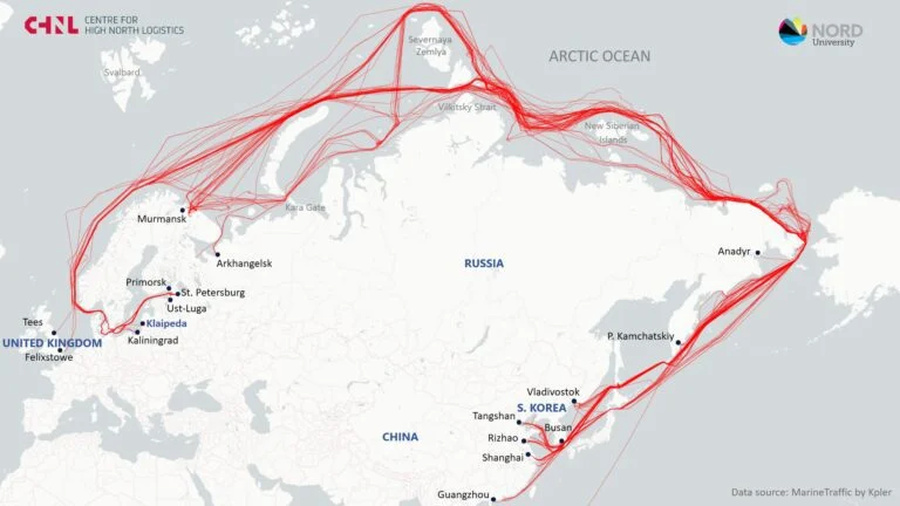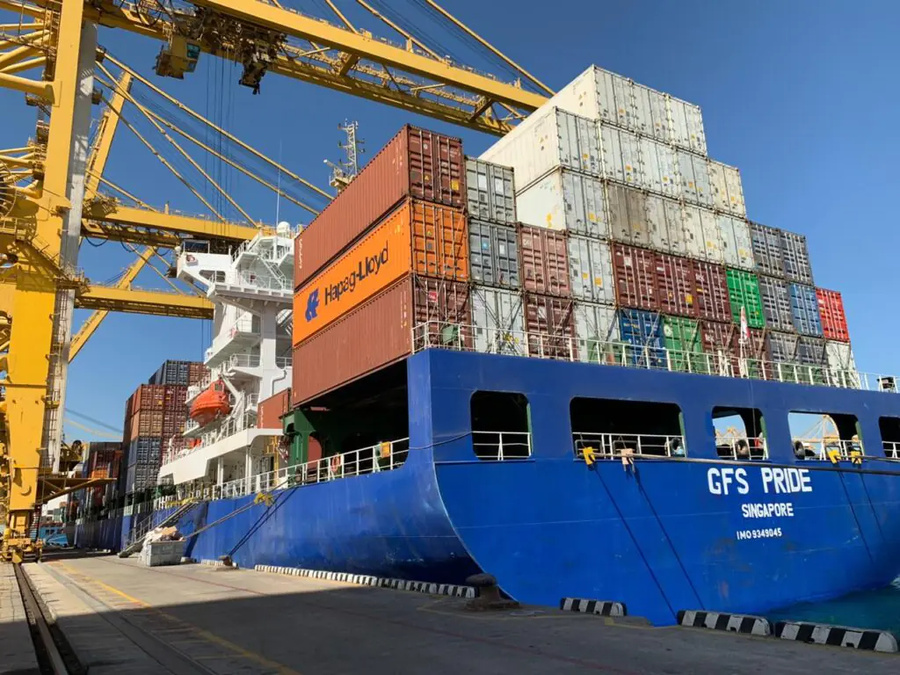
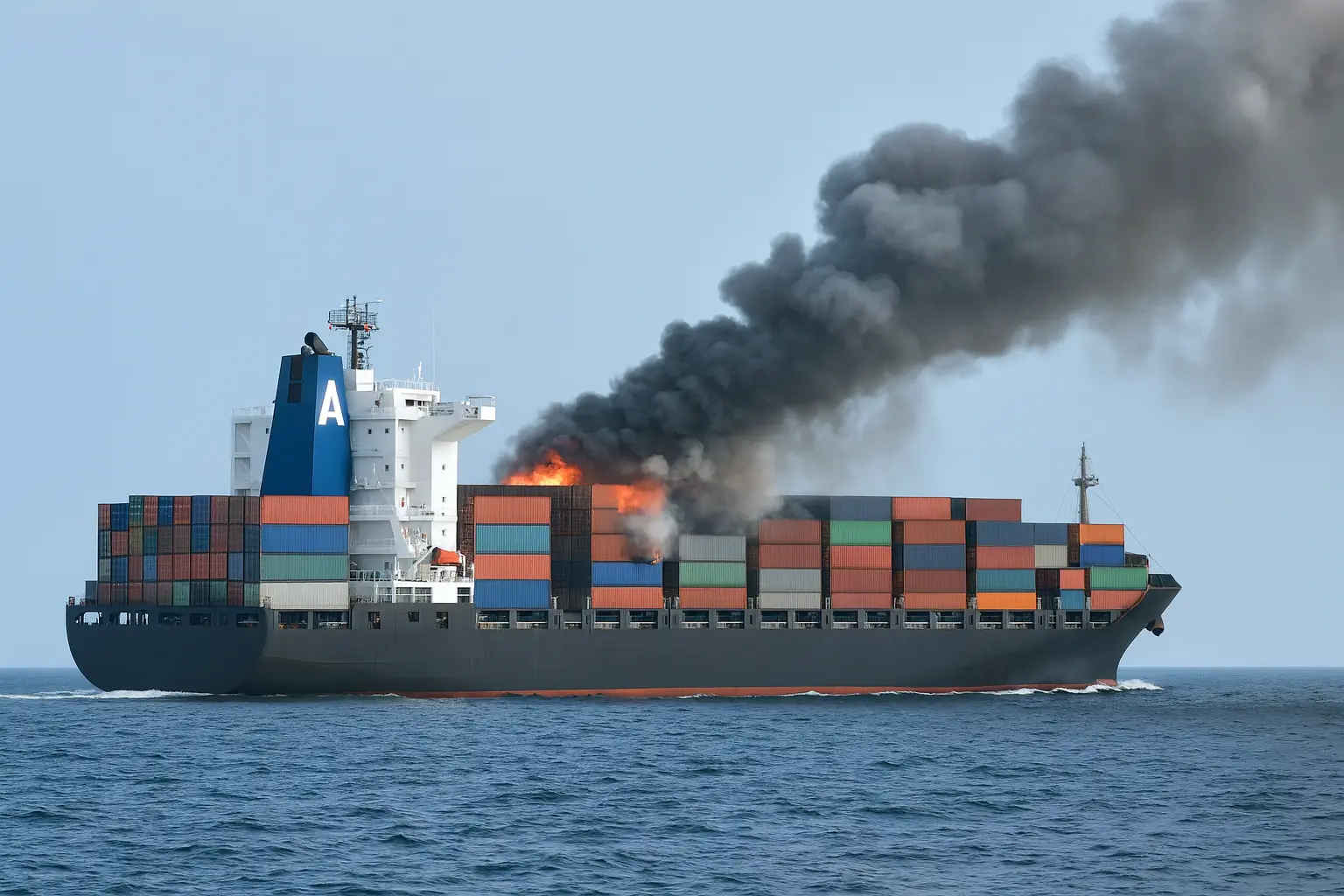
The World Shipping Council (WSC) has announced a new initiative – the Cargo Safety Program – aimed at curbing ship fires caused by misdeclared or undeclared dangerous goods.
At its core, this industry‐led program features an AI-powered screening system developed in collaboration with the National Cargo Bureau. The tool scans millions of cargo bookings in real time for risk indicators such as keywords, unusual trade patterns, and algorithmic flagging. When a booking triggers alerts, shipping carriers review the case and, if necessary, carry out targeted physical inspections.
In addition to screening, the program establishes common standards for inspections and integrates feedback loops from actual incidents to refine risk detection and prevention methods. Carriers handling more than 70% of global container (TEU) capacity have already committed to participate.
The move comes amid alarming statistics: according to recent industry safety reviews, container vessel fires have risen to their highest point in over ten years. Misdeclared dangerous goods are cited as a factor in over a quarter of all cargo-related accidents.
Joe Kramek, WSC President & CEO, emphasized that while technology and shared standards are powerful tools, they do not replace the foundational requirement that shippers properly declare dangerous goods. He described the program as “strengthening the industry’s safety net” by combining multiple layers of prevention.
The WSC intends for the Cargo Safety Program to evolve over time: updates to detection algorithms, inspection protocols, and risk indicators are planned as lessons are learned from real-world incidents.