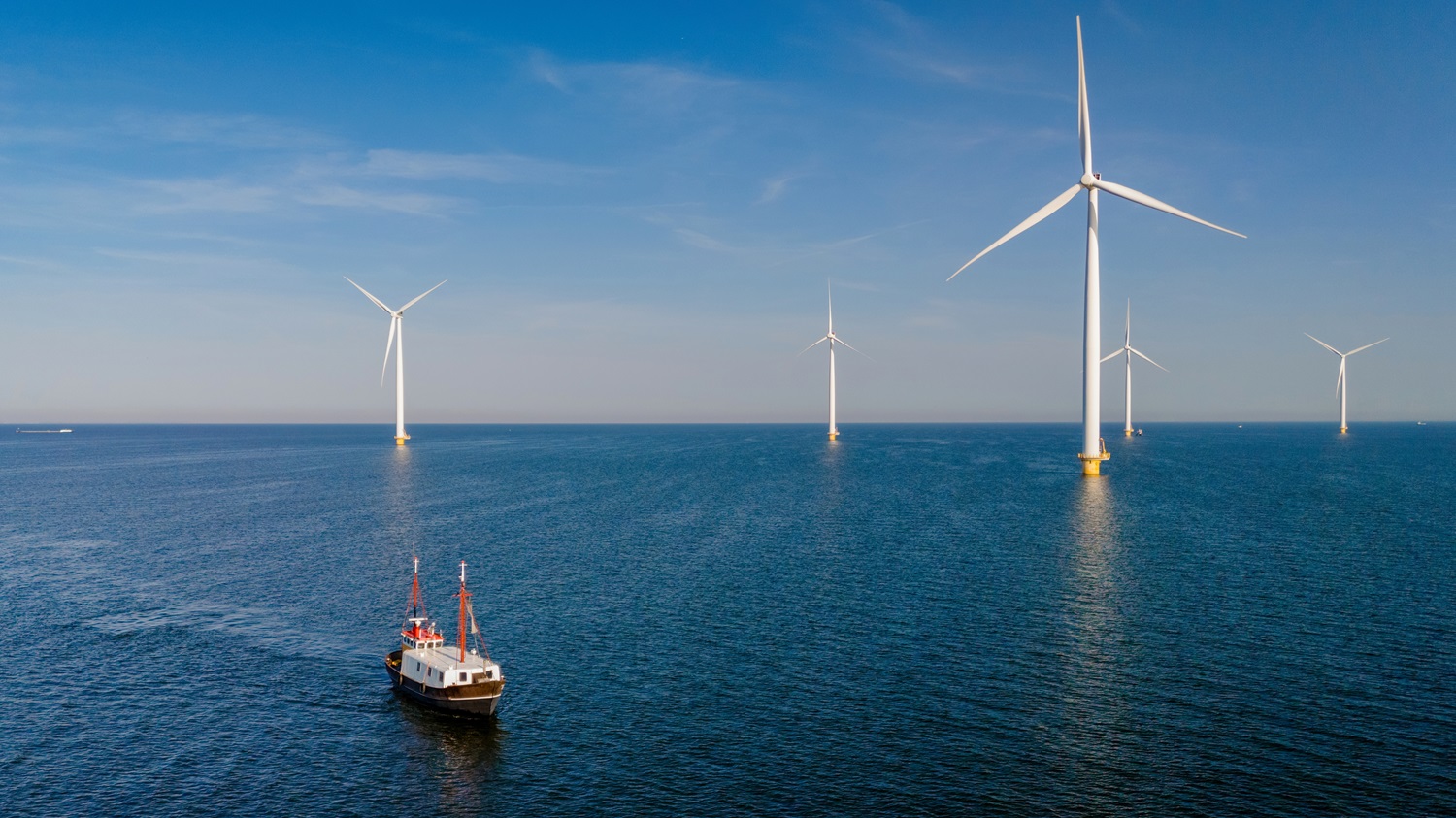
New Jersey has initiated a move to withdraw from the State Agreement Approach (SAA) signed with PJM Interconnection in 2021, a framework created to coordinate offshore wind transmission development with regional grid planning.
The SAA was designed to support structured grid connection for offshore wind while reducing impacts on communities and the environment. Following the agreement, two transmission-related solicitations were carried out. The first, completed in 2022, focused on connecting 7.5 GW of offshore wind capacity under development at the time. A second process, launched in 2024, examined the need for additional transmission planning after the state increased its offshore wind target to 11 GW by 2040.
In 2022, the New Jersey Board of Public Utilities selected a coordinated transmission concept under the SAA. This included offshore transmission infrastructure linked through a single interconnection point at the Larrabee Collector Station, together with associated onshore grid upgrades.
The offshore transmission scope was assigned to Mid-Atlantic Offshore Development, a joint venture between Shell and EDF Renewables, while JCP&L was to deliver the electricity onward to existing substations for grid integration. The approach marked the first instance of a US state aligning offshore wind transmission planning with a regional grid operator’s process.
Several offshore wind projects had previously secured federal approvals and state procurement awards in New Jersey waters. However, multiple developments were later halted or canceled. In late 2023, Ørsted discontinued Ocean Wind 1 and 2, citing inflation, higher interest rates and supply chain constraints.
Other projects in the region also faced changes. Atlantic Shores Offshore Wind, originally a joint venture between EDF Renewables and Shell, terminated its OREC agreement with the New Jersey BPU in August 2025. The developer stated that uncertainty linked to federal actions led to the suspension of construction planning, including cancellation of its interconnection agreement with PJM Interconnection and a pause in transmission upgrades.
In November 2025, Invenergy and energyRE informed the New Jersey BPU that they would not proceed with the 2.4 GW Leading Light Wind project, referring to supply chain, equipment, vendor and regulatory challenges. At the end of March, TotalEnergies, developer of Attentive Energy Two, reached an agreement with the US government regarding reimbursement of offshore wind lease fees following project cancellation.
In a statement dated 22 April, the Regional Plan Association said the decision to withdraw from the SAA reflected the absence of offshore wind projects able to utilise the planned transmission infrastructure.