
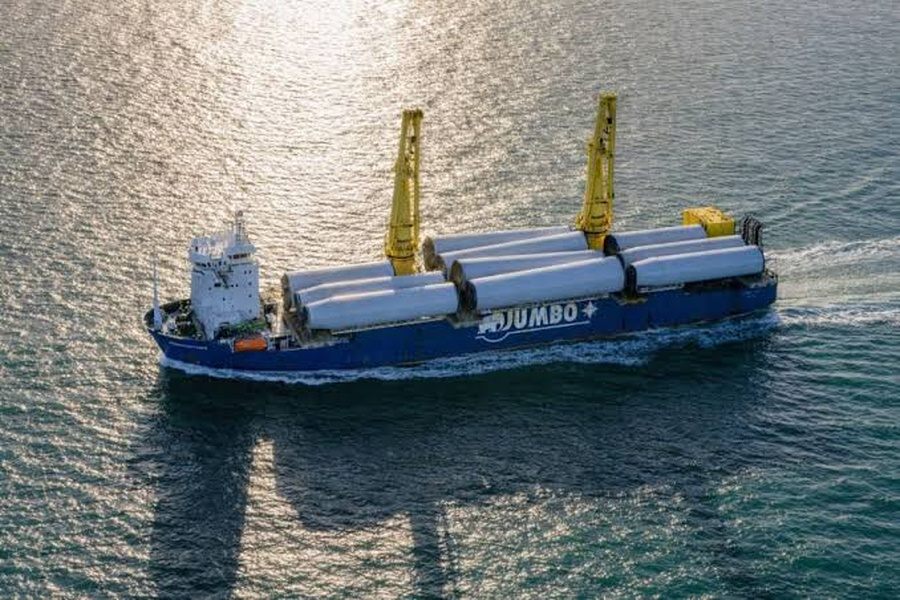
Charter rates for multipurpose (MPP) vessels are rising, but the latest market figures reveal a distinction between standard benchmark assessments and the rates being achieved by vessels capable of handling specialised project cargo.
According to Hamburg-based shipbroker Toepfer Transport, demand for MPP tonnage remains strong, particularly for ships equipped to carry project cargo. Some reported fixtures have exceeded the published index levels, indicating that vessels meeting specific cargo-handling requirements are attracting higher rates.
The Toepfer Multipurpose Index (TMI) increased 1.49% in October 2026 to $13,023 per day, while the TMI-500 rose 0.64% to $17,782 per day. The figures were reported by FBJ North America, citing Toepfer’s monthly market assessment.
The TMI benchmark measures assessed six- to twelve-month time charter rates for a 12,500 dwt F-Type multipurpose/heavy-lift vessel. The newer TMI-500 provides a separate assessment for F500-type vessels.
The difference between general cargo and project cargo markets has also been identified by maritime consultancy Drewry. Its separate breakbulk transport indices were introduced to reflect variations in charter market conditions between these vessel segments.
Higher charter earnings are also influencing vessel values. Toepfer reports continued increases in secondhand MPP prices, with limited tonnage available for sale as owners retain vessels generating attractive charter income.
Newbuilding investment presents another challenge. MPP owners face elevated construction prices and competition for shipyard capacity from other shipping sectors. Vessel specifications are also becoming an important consideration in new designs. In September, Deltamarin and Toepfer Transport introduced a 17,000 dwt Semi-Liner MPP concept with alternative crane configurations to accommodate different cargo requirements.
Fleet investment decisions extend beyond acquisition costs. An OECD study on maritime decarbonisation identifies energy-saving retrofits and alternative-fuel conversions as options for existing ships, while highlighting the technical complexity and additional time required for fuel conversions. The study covers shipping more broadly rather than the MPP sector specifically.
Together, the market assessments show why benchmark charter rates alone provide an incomplete picture of multipurpose shipping. Vessel capabilities, asset availability and the cost of renewing or upgrading fleets remain separate considerations for owners evaluating investment opportunities.