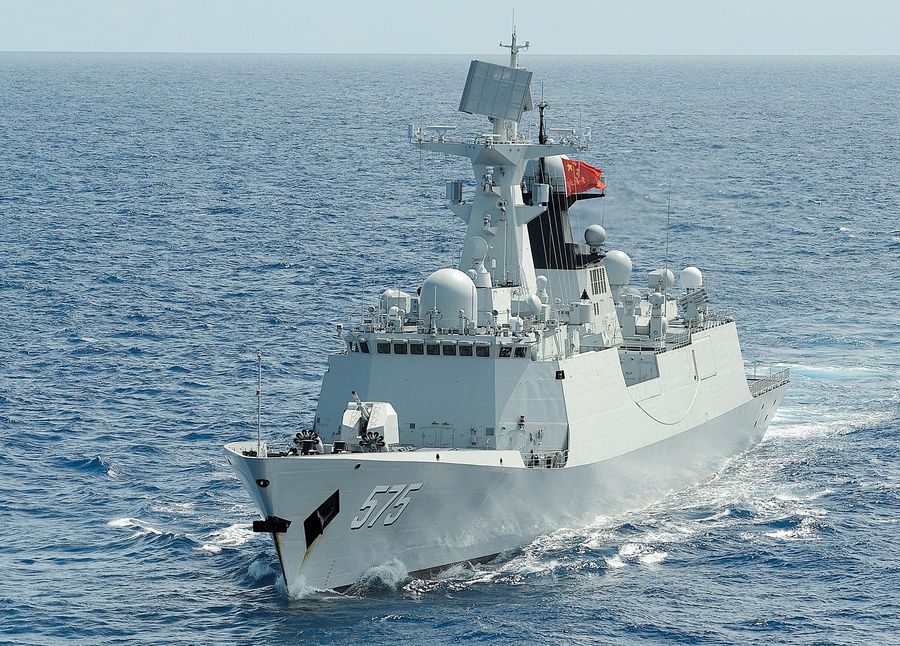
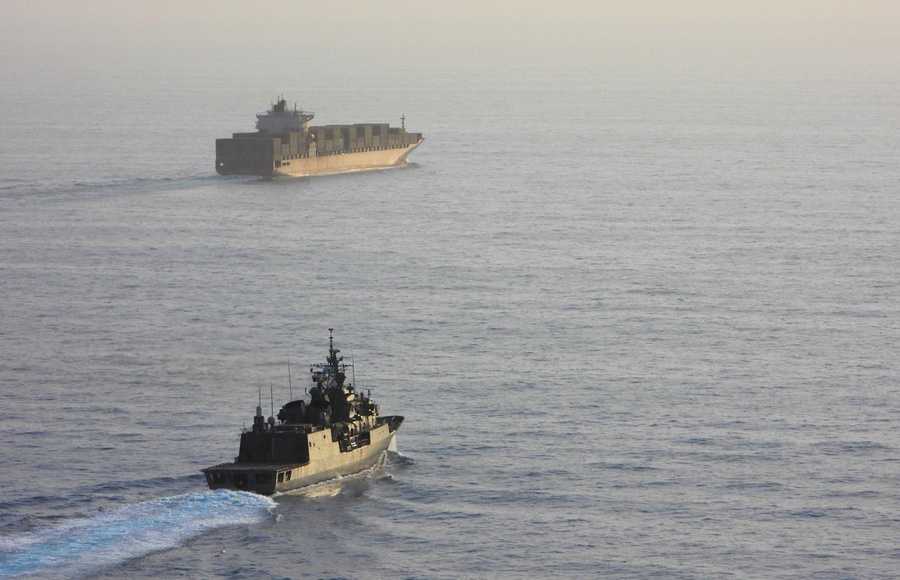
The European Union is seeking more than 10 warships for its EUNAVFOR Aspides mission as it moves to reinforce the naval operation protecting commercial shipping in the Red Sea.
EU foreign policy chief Kaja Kallas said on 21 September 2026 that the mission needed additional ships. Six warships were operating under Aspides at the time, according to diplomats cited by Reuters. Kallas said the initial assessment when the mission was established called for at least 10 ships and that the security situation had since become more serious.
Kallas has asked the EU’s 27 member states to provide additional naval and air assets for Aspides. The planned reinforcement is expected to be discussed by EU defence and foreign ministers.
Aspides was established in February 2024 as a defensive EU maritime security operation focused on safeguarding freedom of navigation. The mission provides protection to commercial vessels operating in waters affected by attacks on shipping.
Official figures published by EUNAVFOR Aspides on 24 August 2026 showed that the operation had supported more than 2,390 merchant vessels since its launch and provided close protection to more than 720 ships. Separately, the European External Action Service said on 17 July 2026 that Aspides had saved 128 seafarers during its first 29 months of operations.
The EU has extended the operation until 28 February 2027. Under a Council decision adopted on 23 February 2026, the financial reference amount for the common costs of EUNAVFOR Aspides from 1 March 2026 to 28 February 2027 is EUR 14 917 600.
Italy has also called for a stronger naval presence in the Red Sea. Italian Defence Minister Guido Crosetto said on 18 September 2026 that more ships were needed to protect navigation in the region. Italy, which participates in Aspides, was also preparing a separate naval mission to protect its commercial interests.
Reuters reported that Houthi forces had made advances along Yemen’s Red Sea coast, adding to security concerns around the Bab el-Mandeb and Red Sea shipping route. Kallas said the increased risks to shipping required a larger European naval presence in the region.