Norway’s Equinor has started production from the Eirin field in the North Sea, adding new gas volumes to the European market through existing offshore infrastructure.
The field is operated by Equinor, which holds 58.7%, with Orlen Upstream Norway holding 41.3%. Eirin was discovered in 1978 but remained undeveloped for decades because the project was not commercially viable at the time.
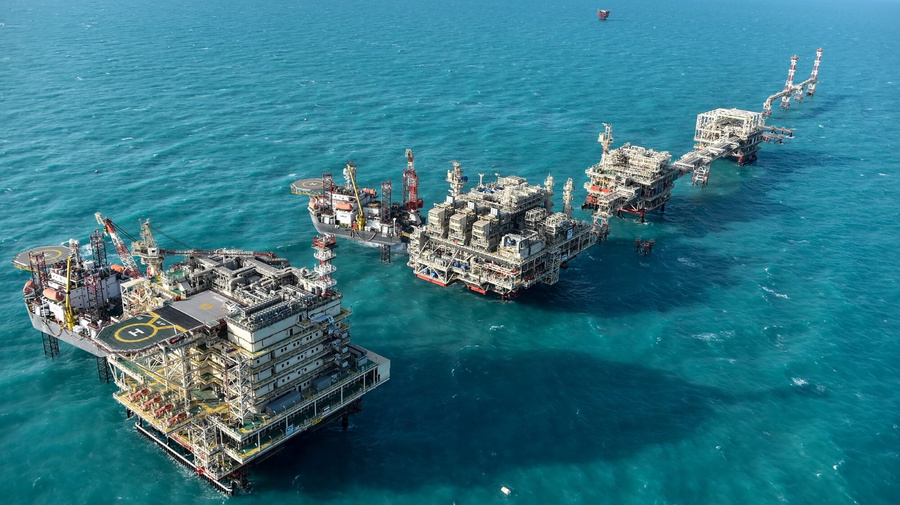
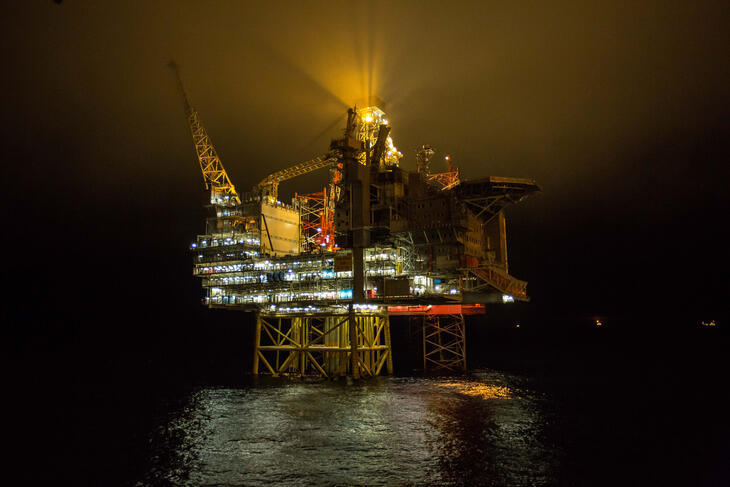
The development was reassessed in 2023 after Norwegian gas gained greater importance for Europe following Russia’s full-scale invasion of Ukraine. Eirin has now been developed as a subsea tie-back to the Gina Krog platform, while gas is sent onward through Sleipner A.
The field contains expected recoverable resources of about 27.6 million barrels of oil equivalent, mainly gas. Total investment is estimated at NOK 4.5 billion, or about $463 million.
Eirin is also expected to support longer use of the Gina Krog platform. Its economic life is now extended from 2029 to 2036, adding seven years of production.
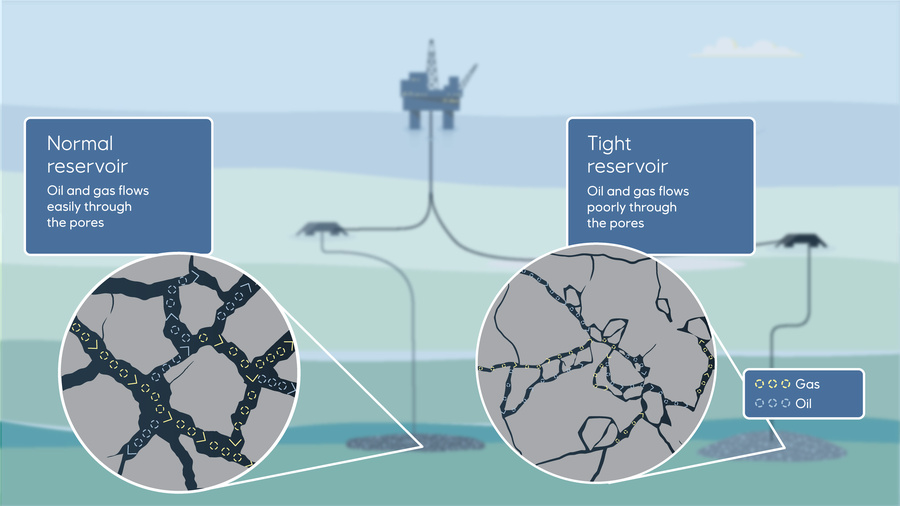
The project is located about 250 km west of Stavanger in around 120 m of water. The reservoir lies about 4,000 m below the seabed. From project establishment in January 2023 to first production, the development took three years. The investment decision was matured in 4.5 months.
Equinor said the project used mature technology, standardized solutions and early cooperation to deliver a fast and cost-effective development. Gina Krog was electrified in 2023, helping keep Eirin’s emissions at around 3 kg of CO₂ per barrel of oil equivalent.
The company said the project provides lessons for developing marginal discoveries quickly and profitably on the Norwegian shelf.